Trump Says Deal to End Iran Conflict Mostly Done, Hormuz Fully Open
Honestly, when I first saw the headline about Donald Trump saying the deal to end the war with Iran is “mostly complete”, I thought it might just be another political sound bite. But as I kept scrolling through the latest news India feeds, the details kept getting richer, and suddenly it felt like I was watching a live drama unfold right in front of my TV.
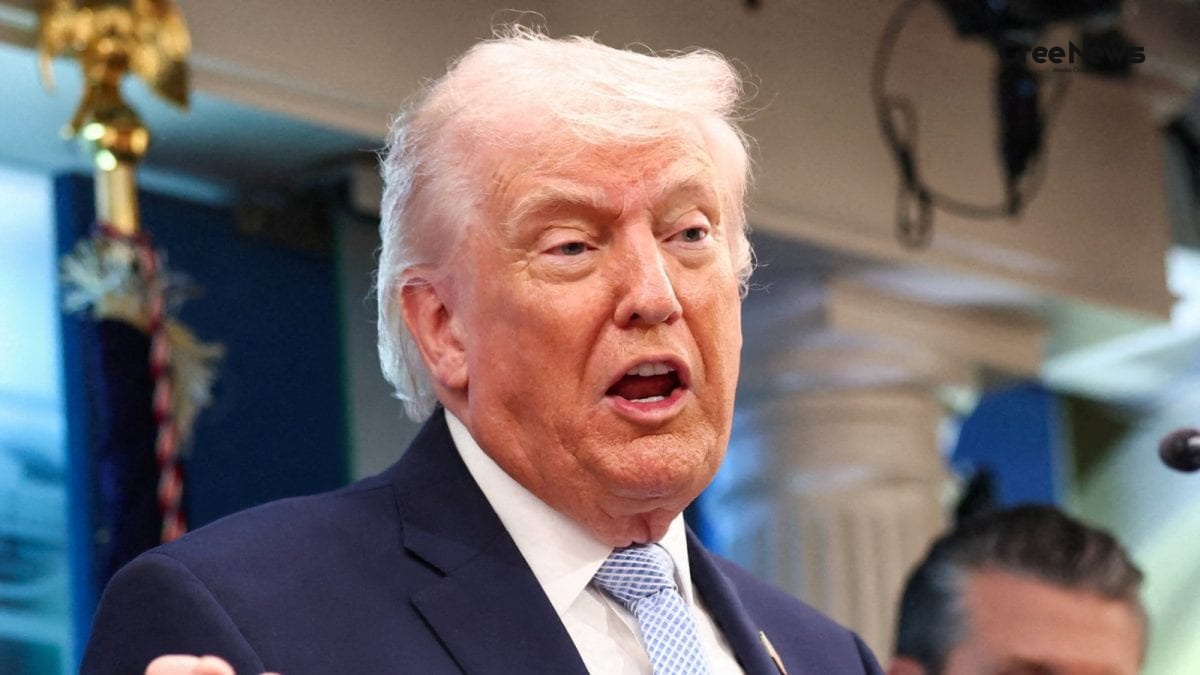
Trump told Bloomberg that the negotiations, which started after the flare‑up in late February involving the US, Israel and Iran, are now near the finish line. He mentioned that most of the main points have been finalized and that the final talks could happen over the upcoming weekend. What caught my attention was his confidence “It’ll go pretty quickly,” he said, as if he could see the whole roadmap in his mind.
In most cases, these big‑picture talks can drag on for months, but Trump insisted that the core issues especially Tehran’s commitment to suspend its nuclear programme indefinitely are already settled. He also made it clear that Iran won’t get any of the “frozen funds from the US” that have been stuck due to sanctions. For many of us following breaking news, that sounded like a major win for the US side, though I could sense the air of cautious optimism among analysts.
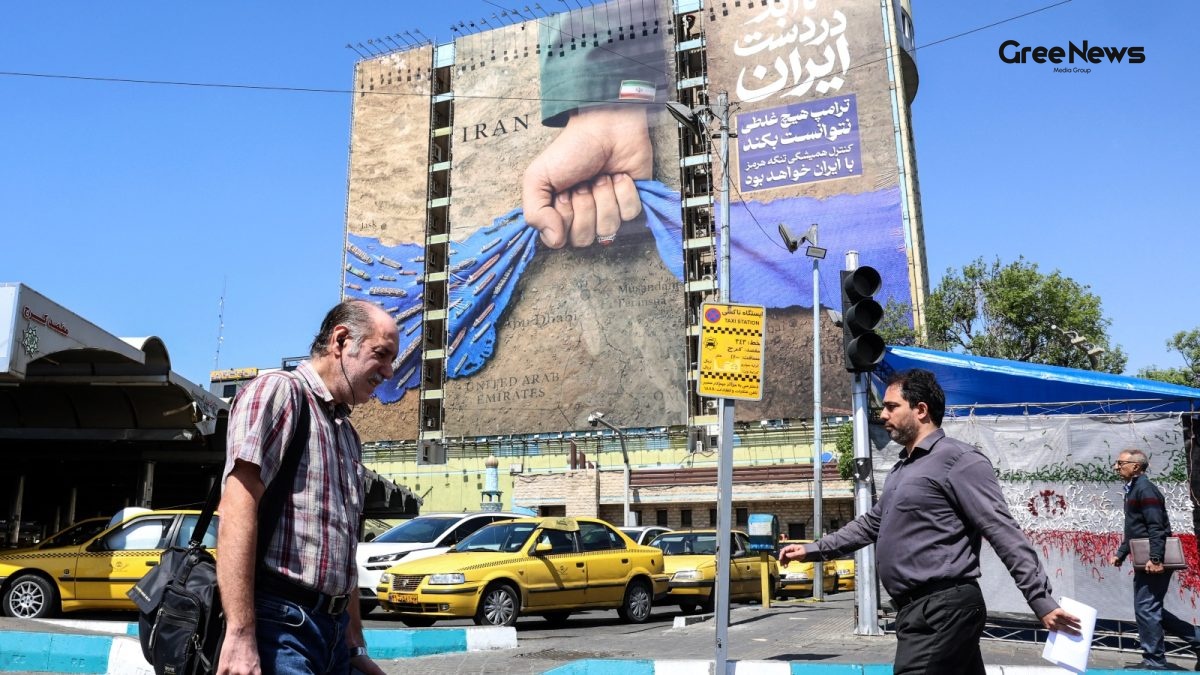
Now, you might wonder why this matters to us here in India. Apart from the fact that the Strait of Hormuz is a lifeline for over a third of the world’s oil trade and that any hiccup there can ripple through fuel prices back home there’s also the broader geopolitical picture. A stable Middle East often translates into smoother trade routes for Indian exporters, and that’s a major plus for the economy.
Hormuz Strait Reopens What It Means for Shipping
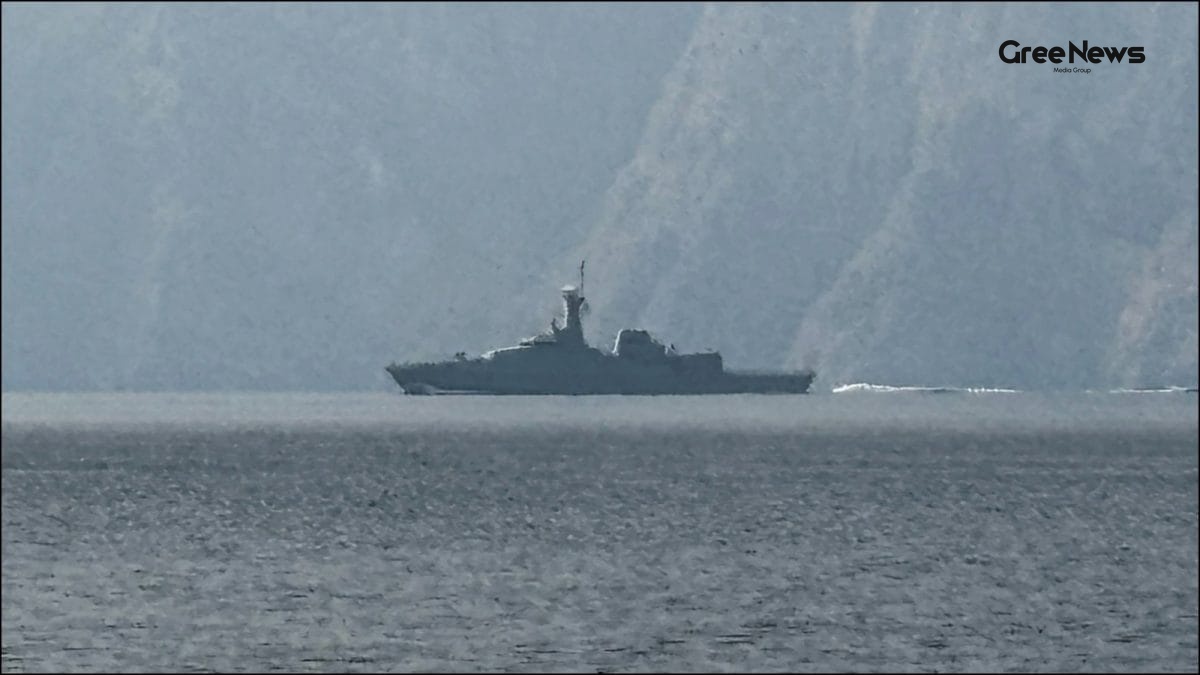
What happened next was interesting: Iran’s foreign minister Abbas Araghchi announced that the Strait of Hormuz would be opened for commercial vessels, though there are some conditions attached. This move was seen by many as a clear signal that the tension in the region might be easing. In a post on Truth Social, Trump echoed this sentiment, declaring, “THE STRAIT OF HORMUZ IS COMPLETELY OPEN AND READY FOR BUSINESS AND FULL PASSAGE.” He added that the blockade will stay in force only as far as Iran is concerned until the transaction is “100% complete.”
For a regular guy like me who follows trending news India on my phone during the commute, this sounded like a relief. Imagine the massive cargo ships that ferry crude oil from the Gulf to the east coast of India their routes often pass through Hormuz. When that narrow waterway gets blocked, shipping costs can skyrocket, and eventually, we feel it at the pump. So seeing it open, even partially, brought a sense of hope that the oil market might stabilise soon.
In most cases, opening such a strategic waterway isn’t just a diplomatic gesture; it has real economic consequences. Traders on the Mumbai Stock Exchange were seen buzzing about the news, with a few even calling it “viral news” that could shift the market sentiment. And of course, these updates quickly turned into the kind of India updates that our friends in the logistics sector keep sharing on WhatsApp groups.
Lebanon Ceasefire Brings Temporary Relief
Meanwhile, over the border in Lebanon, a ten‑day ceasefire was announced, giving displaced families a chance to return home. I spoke to a neighbour in Delhi who has relatives in the region, and they told me how families are now moving back to south Beirut and other hard‑hit southern areas. The truce, while temporary, has allowed many to gather their belongings and start rebuilding, even if the future remains uncertain.
This development, though not directly linked to the US‑Iran talks, adds another layer to the story. When you see both a ceasefire and a major shipping route reopening at the same time, you can’t help but think there’s a bigger diplomatic push happening behind the scenes. Many people were surprised by how quickly the lull in hostilities translated into tangible relief for civilians on the ground.
What’s more, the ceasefire has sparked a wave of social media chatter here in India. Hashtags like #LebanonCeasefire and #MiddleEastPeace started trending, and the chatter blended seamlessly with the breaking news about the Hormuz Strait. It’s like watching two parallel threads of a story intertwine one about high‑level negotiations, the other about everyday families finding a moment of peace.
US and Israel: Diverging Views on the Next Steps
While Donald Trump was busy announcing the opening of Hormuz, Israeli leaders kept emphasizing that their operations against Iran‑backed Hezbollah were far from over. However, Trump made a bold claim that Washington had “prohibited” Israel from carrying out further strikes. He wrote, “Enough is enough! The United States will work with Lebanon and deal with the Hezbollah situation in an appropriate manner.”
Honestly, this part left a lot of people scratching their heads. On one hand, you have Israel saying they need to continue their military pressure; on the other, the US President is stepping in to pull the plug. That sort of diplomatic tug‑of‑war is something you typically read about in international relations textbooks, but seeing it play out in real‑time, especially as part of the viral news cycle, makes it feel very immediate.
For Indian readers, especially those following the latest news India on platforms like NDTV or Times of India, this divergence hints at a possible shift in the regional power dynamics. If the US is indeed telling Israel to hold back, it could affect how the whole Middle East landscape evolves in the months ahead.
What This Means for the Future A Personal Take
Now, let me share a bit of my own perspective, because I think it adds a human touch to the otherwise high‑level political narrative. I grew up watching the news with my dad, who used to explain the importance of the Strait of Hormuz in simple terms “It’s like the main road to your house; if it’s blocked, you can’t get anything home.” That simple analogy stuck with me, and every time I hear about Hormuz being closed or opened, I feel that same sense of a road being cleared for a long‑awaited delivery.
So, when Trump said the Hormuz Strait is “completely open and ready for business,” it felt like a personal victory, even if the bigger political picture is still foggy. And seeing the Lebanese families return home gave me a small dose of hope that maybe peace can be more than just a headline it can be lived by ordinary people.
What’s curious is that all these events are happening together a near‑final deal on the Iran nuclear issue, the reopening of a crucial shipping lane, and a ceasefire that lets families step out of shelters. It feels like the pieces of a puzzle are finally aligning, though we still don’t know the final picture.
One thing is clear: this story is far from over, and we’ll likely see more updates in the coming days. Keep an eye on the trending news India feeds, because as soon as the final aGreement is signed, it could turn into the next viral news piece that dominates our breakfast table discussions.