Seeing the Red Cylinder Everywhere What’s the Story?
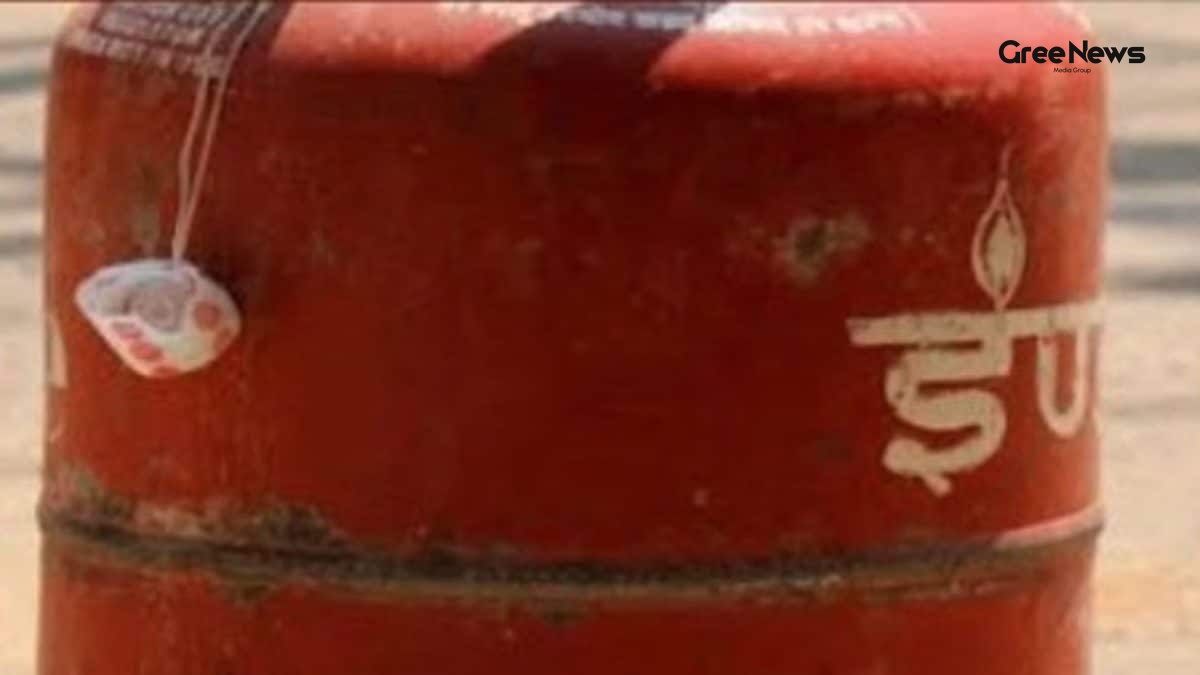
I still remember the first time I saw a red LPG cylinder while helping my mother in the kitchen. It was bright, almost like a warning sign, and I asked, “Why is it red, Mom?” She smiled and said, “It’s just the way they are.” Little did I know that this simple colour choice carries a lot more weight than a mere aesthetic decision.
In most Indian households, the red‑coloured LPG cylinder has become as familiar as the jatras on Diwali. And yet, a surprising number of people haven’t thought twice about why the colour is enforced. It isn’t a branding thing, nor a random marketing move. It’s part of a structured safety and standardisation system that the government set up decades ago.
How the Red Colour Became the Norm A Brief History
Back in the early days of LPG distribution in India, cylinders came in a variety of shades some were blue, some were plain steel. But as the usage of LPG surged, especially in urban and semi‑urban areas, the lack of a uniform colour caused confusion. Imagine trying to differentiate a full cylinder from an empty one in a dimly lit market stall it was a challenge.
That’s when the Bureau of Indian Standards (BIS) stepped in. They introduced a set of specifications that not only covered the dimensions and safety valves, but also the colour coding. The decision to pick red was deliberate: red is universally associated with caution and danger, making it instantly recognisable to the average consumer.
What happened next is interesting the government mandated that every domestic LPG cylinder sold in the country must adopt this specific shade of red. Since then, the red colour has been a constant, whether you are in a Delhi apartment or a small house in Kerala.
Regulatory Backing The Role of BIS and the Ministry of Petroleum
In most cases, the colour rule comes from the BIS code IS 1425 for LPG cylinders. The code states that the outer surface of the cylinder should be painted with a flame‑resistant red pigment, and the paint must pass specific durability tests. The Ministry of Petroleum and Natural Gas also enforces this through the LPG retail licensing framework.
Whenever a new cylinder batch is produced, inspectors check the paint quality, its adherence to the BIS colour chart, and label compliance. This strict check‑up ensures that every cylinder on the road meets the same safety standard. It might sound a bit bureaucratic, but it actually helps prevent mishaps caused by counterfeit or poorly coated cylinders.
Many people were surprised by this level of detail they never thought a simple colour could be a regulatory requirement. But when you consider the volume of LPG consumed daily (over 40 million tonnes across India), a uniform colour becomes a practical safety net.
Why Red? The Safety Angle
Red is the colour that instantly catches the eye. In Indian traffic, you see red for stop signs and traffic lights; it signals “stop” or “caution”. Applying the same logic to LPG cylinders makes sense it tells you that the contents are highly flammable.
Beyond visual alertness, red paint used on cylinders is formulated to be flame‑retardant. If a cylinder gets exposed to an external fire, the paint does not melt or ignite easily, buying precious seconds for the user to move the cylinder away from the flame.
There’s also a psychological factor. When you walk into a market and see a sea of red cylinders, it reinforces the idea that you are handling a hazardous material. This subtle cue encourages people to treat the cylinder with care checking the valve, storing it upright, and never leaving it near open flames.
All these aspects together make the colour a crucial part of the safety ecosystem, not just an aesthetic tag.
Global Colour Coding How India’s Choice Stands Out
If you travel abroad, you’ll notice that many countries use different colours for LPG cylinders for example, the UK often uses grey or black, while the US uses silver‑metallic finishes. However, red is still a common choice in many Asian countries like Pakistan and Bangladesh, where the same safety rationale applies.
What caught my attention during a recent trip to Singapore was that their cylinders were also red for domestic usage, but the shade was slightly darker. The reason? Local regulations tied the colour to the type of gas, with LPG marked in a particular hue. This shows that while the exact shade can differ, the underlying idea of using a warning colour is pretty universal.
Back in India, the consistency of using a single, bright red across all states simplifies things for consumers. Whether you’re buying a cylinder in Mumbai or in the hills of Himachal, the colour instantly tells you it’s an LPG cylinder meant for domestic cooking.
Everyday Impact What It Means for You at Home
Having a uniform colour also aids in emergency response. If a fire breaks out in a market, firefighters can quickly spot the red cylinders and know to handle them with extreme caution, possibly isolating them from the fire source.
On a personal note, I once saw a neighbour’s cylinder get dented accidentally. Because it was red, the delivery guy immediately recognised it as an LPG cylinder and advised us to get it inspected before refilling a step that avoided a potential leak.
So the colour is not just a visual cue; it’s a practical tool that daily life in India relies upon, often without us even noticing.
Common Myths About the Red Cylinder Busted!
There are a few myths floating around, especially on social media. One popular one is that the red colour is a marketing ploy by LPG companies to make the product look “premium”. In reality, the colour is mandated by the government, and every supplier, big or small, has to follow the same rule.
Another myth says that the red paint hides rust or damage. Actually, the paint used is high‑quality, rust‑resistant, and any sign of corrosion is still visible under the coating. That’s why regular visual inspections are still recommended.
Lastly, some people think “if the cylinder is red, it must be full”. That’s not true the colour tells you about the material, not the content level. Always check the gauge or ask the dealer for the current LPG level.
Tips for Handling Your Red LPG Cylinder Safely
- Store the cylinder upright in a well‑ventilated area, away from direct sunlight.
- Never place the cylinder near electrical appliances or open flames.
- Check the valve for signs of leakage a soapy water test works well.
- When refilling, ensure the agency uses a certified technician; the red colour guarantees they are dealing with a regulated product.
- In case of a foul smell, turn off the stove immediately and ventilate the area.
Applying these basic steps can keep you and your family safe, and the red colour will continue to serve its purpose as a helpful reminder.
Future Outlook Will the Red Remain?
As India pushes for cleaner cooking fuels, there’s talk about introducing newer gas blends and maybe even different cylinder designs. However, experts from the Ministry of Petroleum have hinted that the red colour is likely to stay, at least for the foreseeable future, because of its strong safety signalling.
What’s more, the rise of digital monitoring (like smart cylinders) may add new layers of safety, but the visual cue will still be indispensable for those who don’t have a smartphone or live in remote areas.
In most cases, the red cylinder will continue to be an everyday part of Indian households, quietly doing its job while we focus on cooking our favorite biryanis and dosas.
Wrapping Up The Simple Reason Behind the Red Shade
So, to answer the original question: Your domestic LPG cylinder is red because the government, through the BIS, decided that a bright, flame‑resistant hue would best signal the dangers of the gas inside. It’s not a brand logo or a marketing gimmick; it’s a safety measure that helps you, the consumer, recognize the cylinder instantly, handle it with care, and stay protected.
Next time you see that red cylinder, you’ll know there’s a whole system behind that simple colour a system that ties together regulations, safety science, and everyday convenience. And if you ever spot a cylinder that looks off‑coloured, that could be a red flag (pun intended) to double‑check its authenticity.
That’s the real story behind the red colour a piece of “breaking news India” style insight that blends everyday experience with the broader picture of safety standards. Stay safe, keep cooking, and remember that the colour you see is there for a reason.