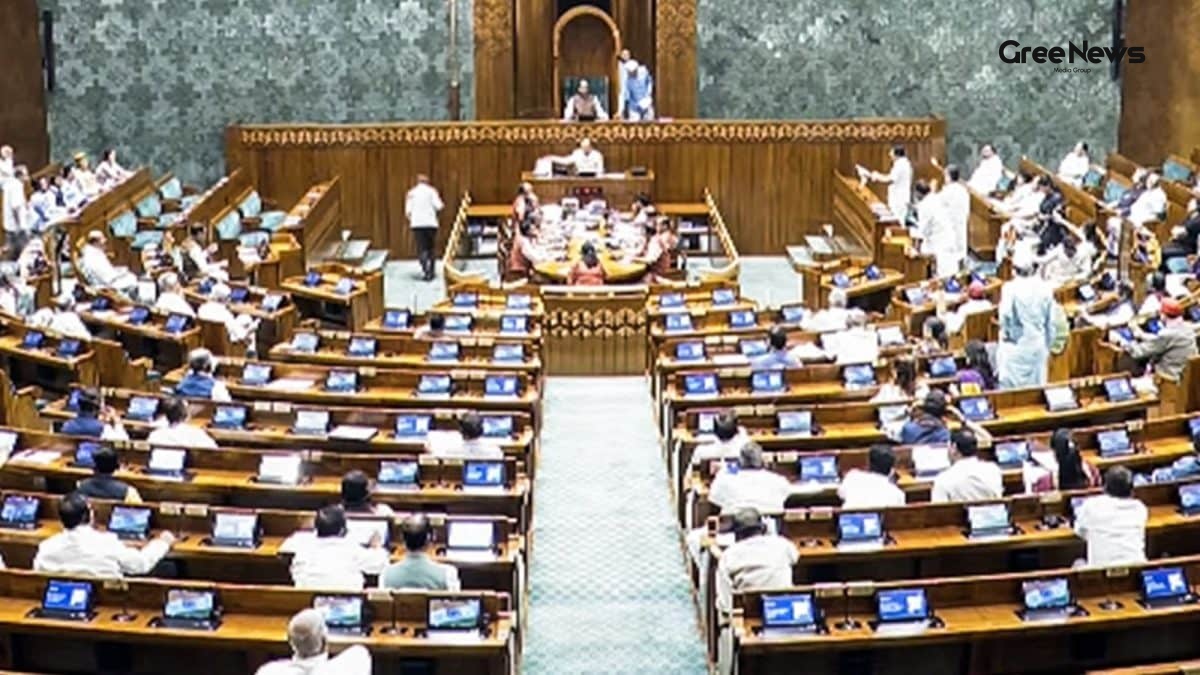
So there I was, glued to the TV, watching what felt like a marathon session of the Lok Sabha you know, the kind of breaking news that makes the whole family pause the drama and talk about the country’s future. The whole atmosphere was buzzing because the Constitution (131st Amendment) Bill, which promised a 33% reservation for women from the 2029 general elections, was finally up for a vote. I could hear the chatter on social media "latest news India" tags popping up everywhere and it felt like the whole nation was holding its breath.
What actually happened in the House?
When the speaker, Om Birla, called the division, the numbers started rolling in. Out of the total strength, 298 members said "yes" to the amendment, while 230 were against it. At first glance, those figures look promising, but the Constitution Amendment needs a two‑thirds majority of members present and voting. In the Lok Sabha, that means you need at least about 344 votes in favour if everyone is present. The ruling National Democratic Alliance (NDA) simply didn’t have enough numbers. So, as the speaker announced, the Constitution (131st Amendment) Bill did not pass because it failed to achieve the required two‑thirds majority.
It was a moment that turned what was trending news India into a story of a missed opportunity. The speaker’s voice, steady but firm, echoed the disappointment that many of us felt. I could hear my neighbour mutter, "This is viral news for a reason people expected something different."
Why the two other bills matter
Now, before the amendment could even take effect, there were two supporting pieces of legislation that needed to clear the House the Delimitation Bill and the Union Territories Laws (Amendment) Bill. Both are crucial because they would lay down the practical framework for the reservation in Union Territories like Delhi, Puducherry and the newly reorganised Jammu & Kashmir.
Think of it like trying to build a house without a foundation the main amendment is the roof, but you need those other bills to act as the walls and floor. When the main bill fell, the government announced it would not push forward with the other two. Parliamentary Affairs Minister Kiren Rijiju made it clear: no intention to pursue them any further. That decision sealed the fate of the entire reservation plan, at least for now.
Numbers, procedure and why the NDA struggled
What’s interesting and something I discussed with my cousin who works in a government office is how the voting dynamics actually work. A Constitution Amendment Bill needs a two‑thirds majority of members present and voting, not just a simple majority. So even though the NDA was the largest block, they were short by a comfortable margin. The opposition managed to rally enough members to keep the amendment from crossing that crucial threshold.
In most cases, we see bills pass with a simple majority, but this one was special. The so‑called "Women’s Reservation Act" formally the Nari Shakti Vandan Adhiniyam has been a long‑standing demand from various civil society groups. The government had even set a three‑day special parliamentary session to fast‑track it, hoping to implement the 33% quota by 2029. The strategy backfired, and now the whole plan is on hold.
Reactions from the political front
After the vote, you could see a flurry of statements on Twitter and in the news portals. The opposition hailed the outcome as a victory for democracy, while the ruling side expressed disappointment but promised to revisit the issue later. Kiren Rijiju’s statement about dropping the other two bills was firm essentially saying the government will not waste parliamentary time on legislation that can’t be implemented without the main amendment.
There were also several remarks from women’s rights groups. Some said the defeat was a setback for gender equality, while others argued that the reservation might need more nuanced discussion before being forced into the Constitution. This mix of opinions kept the story alive on the internet for days, making it part of the viral news circuit.
What this means for the future of women’s reservation
Looking ahead, the biggest question is when or if the government will bring the amendment back. Given the current composition of the Lok Sabha, it’s unlikely they’ll succeed in the immediate future without either more allies or a change in numbers.
From a personal viewpoint, I keep thinking about the impact on my niece, who is studying political science. She talks about how a 33% reservation could change the face of Indian politics, opening doors for more women leaders at the grassroots level. The defeat feels like a pause button on that dream. Yet, the conversation is still alive. The trending news India tag still shows hundreds of comments, memes, and debates that itself may create pressure on lawmakers to revisit the issue later.
How everyday Indians perceive the whole episode
When I chatted with my friend from a small town in Uttar Pradesh, she said she was hoping the reservation would help bring more women like her sister into local governance. The disappointment was palpable. On the other hand, a colleague in Bengaluru was relieved, saying that forced quotas could bring tokenism instead of genuine empowerment.
This slice of life shows just how diverse the reactions are across India a country where every village, city, and suburb has its own take on what "equality" should look like. That diversity itself is a testament to why the issue will keep surfacing in the media, keeping the "latest news India" cycle turning.
Personal takeaways why I keep following this story
Honestly, I find myself checking the news every morning, not just for the "breaking news" of today but for the longer narrative. The fact that a single amendment can lead to the shelving of two other important bills shows how intertwined our legislative processes are. It also reminded me that politics is as much about numbers as it is about ideas.
What happened next is interesting the opposition promised to keep the conversation alive, and several NGOs said they would lobby for a fresh attempt in the next parliamentary session. Meanwhile, the government, as per the minister’s statement, is stepping back for now, perhaps to regroup and think of a different strategy.
All in all, the episode serves as a reminder that constitutional reforms in India are a marathon, not a sprint. It’s a lesson I’ll carry with me, especially when I discuss politics over chai with friends. The story is still evolving, and who knows maybe the next "viral news" piece will be about the amendment finally passing.