So, I was scrolling through the latest news India on my phone this morning, when a breaking news alert popped up about the Lok Sabha voting on the delimitation and women’s reservation Bill. Honestly, I thought it would be a quick read, but the whole episode turned into something that felt like a mini‑drama in the Parliament house.
When the Speaker, Om Birla, finally announced the results, the numbers were a bit of a head‑scratcher. The Bill got support from 298 MPs, while 230 cast their vote against it. On paper, that looks like a win, right? But the total turnout was 528, and under the Constitution’s rules the bill needed at least 352 votes that’s two‑thirds of those present and voting. Since it missed that mark, the bill was declared defeated. It’s one of those moments where the details matter more than the headline, and it reminded me why India updates its legislative processes the way it does.
What the Bill Proposed A Quick Recap (and Why It Matters)
Let me break down the proposal in plain terms, because the legal jargon can get confusing fast. The amendment aimed to expand the number of Lok Sabha seats from the current 543 to somewhere between 600 and 850. The exact figure would be decided after a fresh delimitation exercise, which would use the 2011 Census as its basis.
Delimitation, for those who aren’t used to the term, is basically redrawing the electoral map to reflect population changes. Think of it like when the Election Commission in India redraws the boundaries of your local assembly constituency after a new census the idea is to make sure each MP represents a roughly equal number of people. If the population of a region grows a lot, it might get an extra seat; if it shrinks, it could lose one.
The kicker in this Bill was the 33 % reservation for women in both Parliament and state assemblies, slated to kick in from the 2029 elections. That means one‑third of the seats would be set aside exclusively for women candidates. The plan also called for a proportional increase in seats in state assemblies, so the reservation could be implemented uniformly across the country.
Imagine a typical Indian household conversation: you’re watching the news with your family, someone asks, “Will my sister finally have a fair chance to contest a seat?” The answer, according to this Bill, would have been a big, enthusiastic “yes” because more seats plus a reservation quota could open doors for many aspiring women politicians.
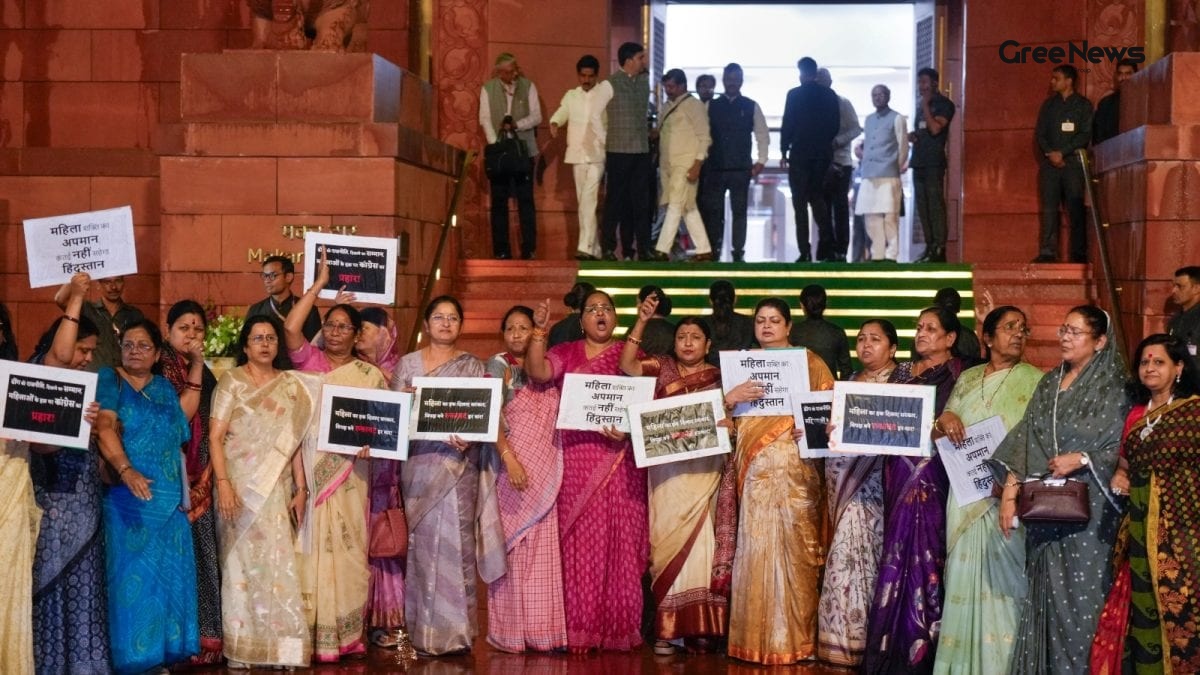
This was, for many, a much‑anticipated move because women’s representation in the Lok Sabha has hovered around 14 % for years, far below the promised 33 %. So, you can see why the proposal generated so much buzz on social media, turning into viral news that many were keen to discuss.
Understanding the Voting Rules Why Two‑Thirds Matters
Now, here’s where the constitutional technicalities come in, and why the Bill’s failure didn’t feel like a simple defeat. Under Article 368 of the Constitution, any amendment not just ordinary laws has to pass a tougher hurdle. First, a majority of the total strength of the House must aGree, and then at least two‑thirds of the members present and voting must say ‘yes’.
In most everyday cases, a simple majority (more than half) is enough to push a law through. Think of it like a school election where the candidate just needs more votes than the opponent. But for constitutional changes, the rule is more like a super‑majority you need a larger consensus because you’re altering the very blueprint of the nation.
So, when the tally came in 298 in favour, 230 against the simple majority was there, but the two‑thirds threshold (352) was not met. The Constitution basically says, “if you’re going to change the foundation, we need a bigger aGreement.” That’s why the Speaker announced that the Bill didn’t pass, even though more hands were raised for it than against.
What’s interesting is that many of my friends, especially those following trending news India on WhatsApp groups, assumed the Bill would sail through because the ‘yes’ votes were higher. The reality, as the Lok Sabha vote showed, is that the maths behind constitutional amendments can be a real eye‑opener.
The Political Fireworks What the Parties Said
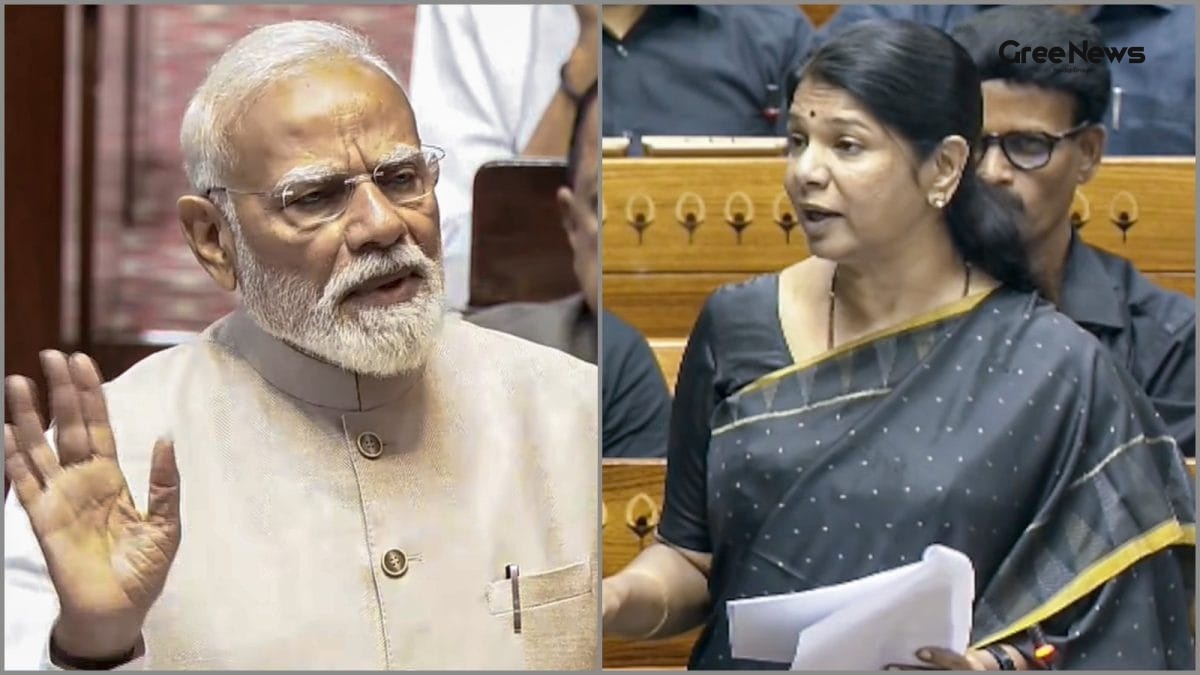
After the numbers were announced, the episode turned into a full‑blown political showdown. Parliamentary Affairs Minister Kiren Rijiju went on the offensive, calling the opposition’s stance a "historic betrayal" of Indian women. He quoted, “The Opposition has today voted against the aspirations of the daughters of India.” It was a line that went viral, cropping up in memes and trending news India feeds across the country.
Rijiju’s argument was that the opposition was hiding behind technicalities of delimitation just to stall a reform that has been pending for decades. He said the bill was not merely about women’s reservation but also about correcting the electoral map which, in his view, had become outdated.
On the other side, the opposition, led by Rahul Gandhi, pushed back hard. Gandhi framed the vote as a defence of constitutional values, stating that the Bill was an “attempt to change India’s electoral structure which we have stopped.” He stressed that the opposition was not anti‑women but concerned about the implications of a massive increase in seats and the way the reservation was being packaged.
That exchange reminded me of the political debates I used to hear in my uncle’s living room during elections heated, opinionated, and often peppered with personal anecdotes. The difference this time was the speed at which the story became viral news, spreading across platforms within minutes.
Many people were surprised by the intensity of the statements. Some even started debating whether the reservation should be tied to delimitation at all, or if it could be implemented through a separate amendment. The discussion spilled over into everyday conversations at tea stalls, where the regulars argued whether a higher number of seats would actually help women candidates or just create more bureaucracy.
What Happened Next? The Aftermath and Curiosity Hook
What happened next is quite interesting. Within hours of the vote, a slew of op‑eds appeared in both print and online portals, each trying to interpret the political and constitutional implications. Some analysts suggested that the government might come back with a revised Bill that separates the delimitation exercise from the women’s reservation component, hoping to clear the two‑thirds hurdle on a smaller, more focused amendment.
Others speculated that the opposition could push for a broader consensus, maybe even a joint committee, to work out the details. The curiosity hook here is that a lot of people are waiting to see whether the government will go back to the drawing board or simply let the issue fade away until the next election cycle.
In most cases, such a defeat leads to a period of political recalibration. I expect we’ll see more discussions in the next parliamentary sessions, maybe even a fresh round of public consultations. The story is still unfolding, and it’s definitely something that will keep popping up in the next wave of trending news India.
Why It All Matters My Take on Women’s Reservation and Electoral Reform
From my personal perspective, the whole episode is a reminder of how complex policy-making can be in a diverse democracy like ours. On one hand, the idea of reserving 33 % seats for women seems like a straightforward step towards gender parity something that would make a lot of sense when you look at the data on women’s representation in Parliament.
On the other hand, the constitutional requirement of a two‑thirds majority ensures that any change is not taken lightly. It forces a broader dialogue, which, while sometimes frustrating, can lead to more considered reforms. In my view, the fact that the Bill sparked such a massive conversation from the Parliament floor to the neighbourhood chai‑shop is itself a sign of progress.
Many of us who follow the latest news India are hopeful that the next attempt, whatever form it takes, will address both the need for women’s reservation and the practicalities of delimitation without getting tangled in procedural knots. The story is still open, and I think it will continue to be part of the breaking news cycle for a while.
All in all, the episode taught me that in Indian politics, numbers matter, rules matter, and the human element matters even more. It’s not just about the vote count; it’s about the conversations that follow, the opinions that get aired, and the eventual impact on the ground especially for the daughters of India who might one day take a seat in the Lok Sabha.