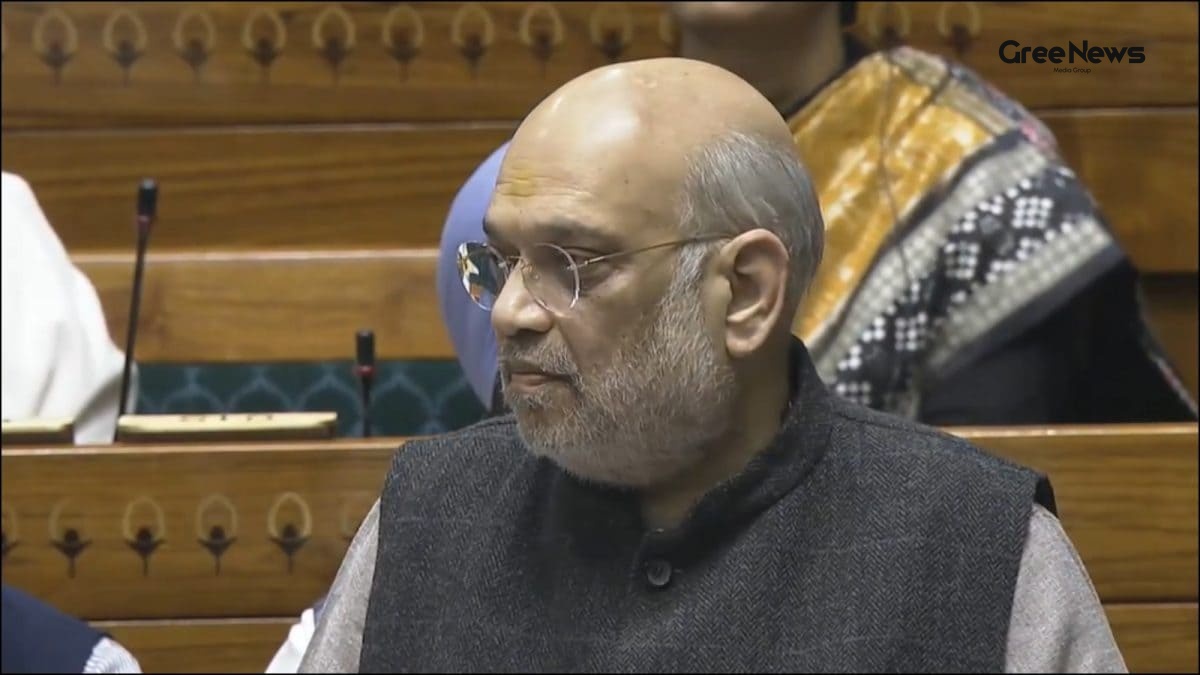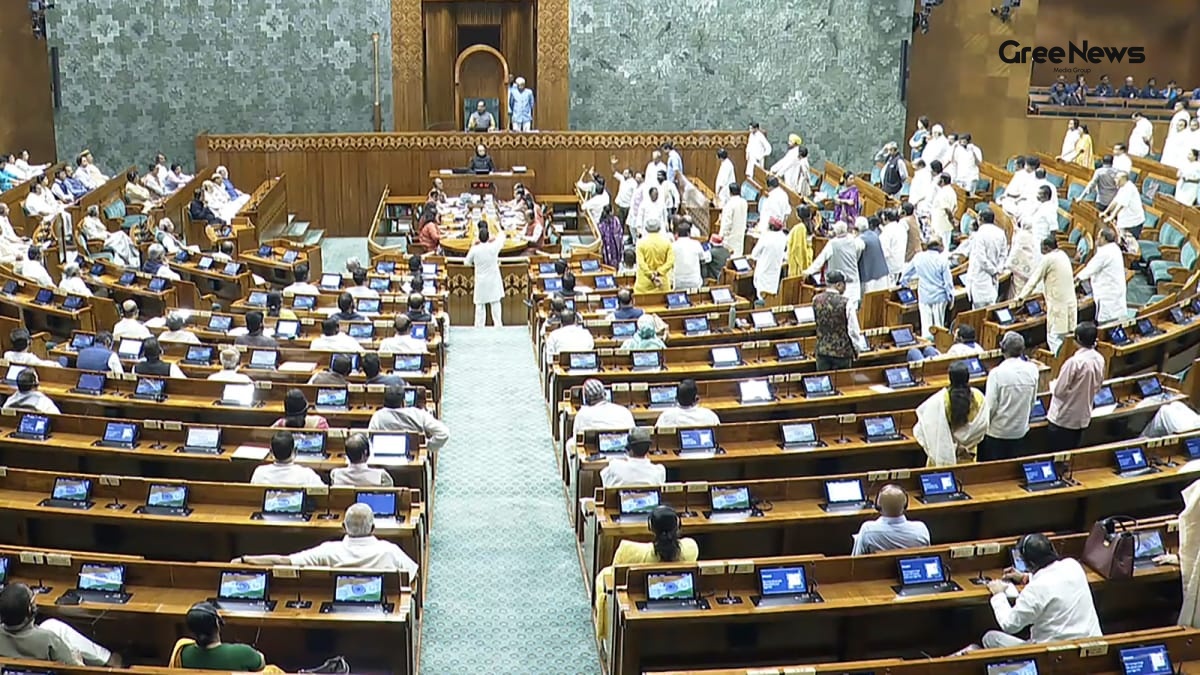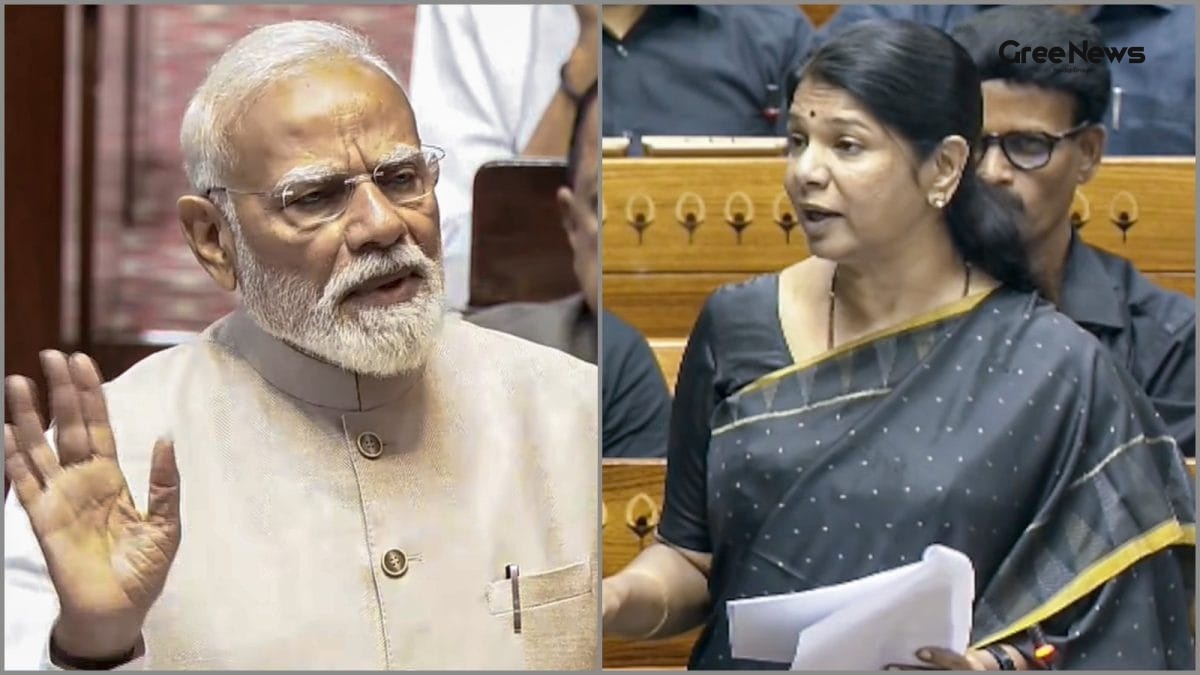
Honestly, I was watching the Lok Sabha live on TV with a cup of chai, and when Prime Minister Narendra Modi started talking about the black clothes worn by the DMK members, I felt a jolt. It wasn’t just a casual comment; Prime Minister Narendra Modi said the black attire was a “kala tika” a sort of dark mark meant to keep the evil eye away as the house debated the women’s reservation amendment. That line caught my attention instantly, because it seemed more like a cultural jab than a parliamentary point.
What happened next is interesting. The whole House went quiet for a brief moment, and then the spotlight shifted to the DMK. DMK leader Kanimozhi, dressed in a flowing black saree, rose to respond. As someone who follows politics closely, I could feel the tension rising like a pot of boiling water during a monsoon evening.
Background: Why the DMK Chose Black
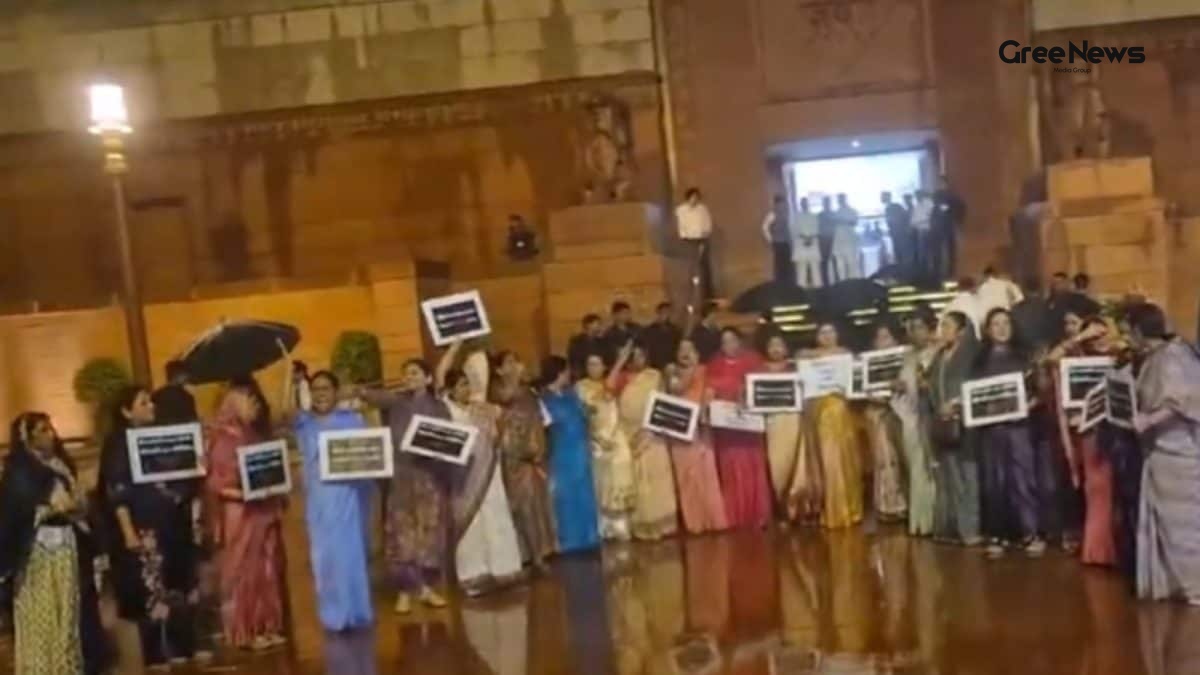
The backdrop to this drama is the amendment to the women’s reservation law. The law currently promises a 33 per cent quota for women in the Lok Sabha and state assemblies, but there’s a push to change the numbers and the delimitation process that will decide seat distribution. DMK members decided to wear black and wave black flags as a visual protest, signalling that they see the amendment as a “black law” that could turn the people of Tamil Nadu into refugees in their own land.
In most cases, political parties in India use colour symbolism to convey messages: saffron, Green, white each carries its own story. Black, for the DMK, has historically been linked to the fiery speeches of intellectual leader Periyar, who championed rationalism and social reform. The choice of black is not just a fashion statement; it is a declaration of defiance.
When Prime Minister Narendra Modi talked about “kala tika”, I could not help but think of the many times I have seen that phrase used in movies to ward off bad luck. It felt like a subtle tease, especially because the DMK’s protest was very much about protecting a segment of society they felt was being threatened.
Prime Minister Narendra Modi’s “Kala Tika” Comment
Prime Minister Narendra Modi, interjecting during the debate, said there is a tradition to apply ‘kala tika’ before commencing a good work. He thanked the DMK for following that tradition, implying that their black attire was a protective charm. He added that the black clothes and flags were meant to ward off the evil eye, as if the amendment itself were something sinister.
Actually, Prime Minister Narendra Modi’s remarks seemed to be a blend of cultural reference and political critique. By calling the black attire a “kala tika”, Prime Minister Narendra Modi tried to portray the DMK’s protest as superstitious, rather than a serious legislative concern. The tone was unexpectedly light-hearted for a parliamentary debate, and that contrast made many viewers on social media share the clip as viral news.
This comment quickly turned into trending news India, with many netizens debating whether Prime Minister Narendra Modi was being witty or dismissive. In the heat of the moment, it also gave the DMK an opening to frame the conversation around symbolism and identity, rather than just policy.
DMK Leader Kanimozhi’s Fiery Rebuttal
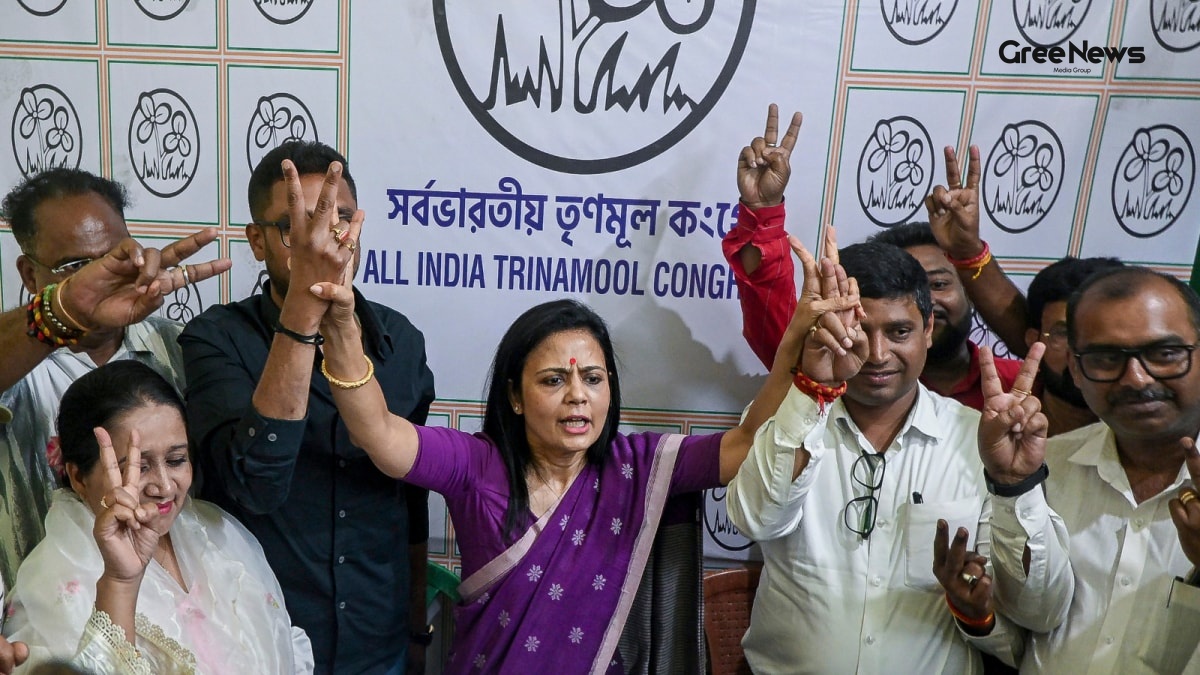
When it was DMK leader Kanimozhi’s turn, the atmosphere felt charged. DMK leader Kanimozhi said she was surprised that people defending Hindutva were not reminded of goddess Kali, the dark goddess who wears black. In the same breath, DMK leader Kanimozhi highlighted that black is also the colour of intellectual leader Periyar, who taught the party to fight till the end.
She went on to say the DMK would continue its protest on the issue till the end, adding that the women’s reservation act should be implemented from 2029 with the same 543 seats, and that the delimitation exercise should be delinked from the women’s quota.
Many people were surprised by this response because it combined religious symbolism, historical reference, and a clear policy demand. DMK leader Kanimozhi’s use of goddess Kali was a clever move; it turned the “kala tika” argument on its head, reminding everyone that black is a colour of power and protection in Hindu mythology.
In my opinion, the way DMK leader Kanimozhi framed her rebuttal made the whole exchange feel like a stage play each line delivering a punch, each reference adding depth. It also turned the debate into a story that grabbed the attention of readers looking for breaking news, especially those who follow political drama across the country.
Other DMK MPs and Symbolic Actions
Besides DMK leader Kanimozhi, several other DMK MPs were also dressed in black inside the House. Their unified appearance reinforced the message that the protest was not just a personal statement, but a collective stance.
On the same day in Tamil Nadu, Tamil Nadu Chief Minister M K Stalin hoisted a black flag over the state secretariat and burnt a copy of the delimitation bill. He called the bill a “black law” that could turn Tamil people into refugees in their own land. This dramatic act, witnessed by crowds outside the secretariat, made headlines across the nation as a vivid illustration of the DMK’s protest tactics.
What caught people’s attention was the combination of parliamentary debate and street-level drama both happening simultaneously. It made the whole episode a perfect fit for “viral news” and “trending news India”.
While the visual spectacle was evident, the underlying demand remained clear: the women’s reservation act, which guarantees a 33% quota for women, should be enforced from 2029 without any changes to the number of seats, and the delimitation process must be separated from the quota debate.
Impact and Public Reaction
Since the debate, conversations on WhatsApp groups, Twitter threads, and local tea stalls have been buzzing about the “kala tika” remark. Many people shared memes juxtaposing Prime Minister Narendra Modi’s comment with images of goddess Kali, adding a layer of humor to the serious discourse.
In most cases, the public seemed divided. Some saw Prime Minister Narendra Modi’s comment as a lighthearted attempt to defuse tension, while others felt it was a way to undermine a legitimate protest. On the other hand, DMK leader Kanimozhi’s reference to Periyar resonated strongly with supporters who view the intellectual leader as a torchbearer of social justice.
Interestingly, the episode also sparked discussions about the role of colour symbolism in Indian politics. While black is often associated with mourning, in Tamil Nadu it also represents resistance, especially linked to the Dravidian movement led by Periyar. This nuance added depth to the story, encouraging readers to look beyond the surface and understand the cultural layers at play.
Looking Ahead: What’s Next for the Women’s Reservation Bill?
As the Lok Sabha continues to deliberate on the amendment, the DMK has made it clear that the protest will not stop until their demands are met. The party’s insistence on implementing the 33% quota from 2029, along with keeping the total number of seats at 543, shows a strategic approach: they want a clear, unaltered pathway for women’s representation.
Meanwhile, the government’s stance on delimitation remains a point of contention. The delimitation exercise, which redraws constituency boundaries based on population changes, could potentially affect the balance of power among parties. By demanding that delimitation be delinked from the women’s quota, the DMK is trying to safeguard the intended impact of the reservation policy.What happened next is interesting the debate is expected to continue for several weeks, with both sides bringing in experts, activists, and even legal opinions. The intensity of the exchanges so far suggests that this issue will remain a hot topic in the latest news India, especially as elections approach and parties look to solidify their voter base.
Personal Takeaway
For me, watching this political duel felt a bit like watching a high‑stakes cricket match every over brings new twists, and the crowd’s reaction can swing the outcome. The “kala tika” comment, the black flag, the burning of the bill all these elements made the story feel larger than just a policy debate. It reminded me how symbols, culture, and politics intertwine in India’s vibrant democracy.
In the end, whether you support Prime Minister Narendra Modi’s approach or DMK leader Kanimozhi’s defiant stance, the episode underscores how powerful a simple colour can be in shaping public discourse. It also shows why such moments quickly become breaking news, trending news India, and viral news across the country.
As the debate unfolds, I’ll keep an eye on how the parties navigate the fine line between cultural references and legislative substance. One thing’s for sure the story is far from over, and it will continue to capture the nation’s attention in the days to come.