How it all began my first glimpse of the video
Honestly, I was just scrolling through my Instagram feed on a lazy Sunday, looking for some fresh festival fashion inspo, when a familiar name popped up Apoorva Mukhija, or as most of her followers call her, The Rebel Kid. I’ve seen her “Get Ready With Me” reels before, and they’re usually packed with bold outfits, quirky captions and that unapologetic vibe that makes you feel like you could rock a stage at Coachella yourself.
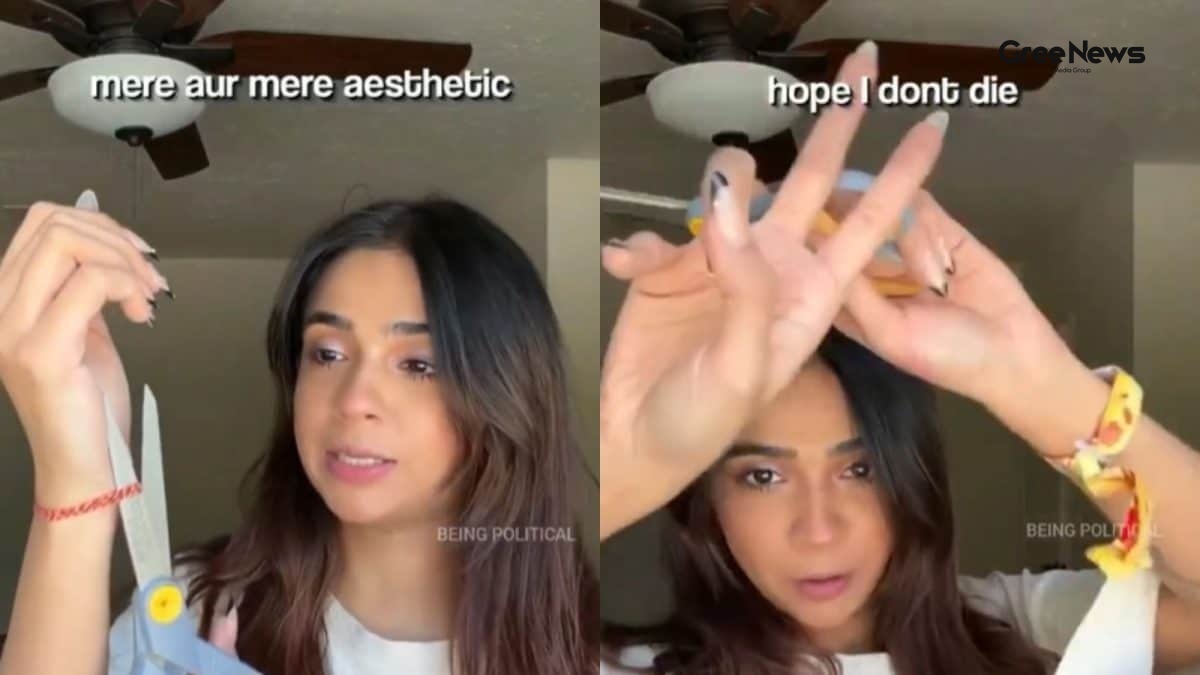
So, I tapped on the video, expecting the usual high‑energy transition shots you know, the flashy shoe close‑ups, the glittery makeup swatches, and a background track that screams summer. But somewhere around the middle, something caught my eye. Apoorva pauses, looks directly at the camera and, without any fanfare, snips a thin red thread tied around her wrist. The Kalava, as it’s called, was suddenly off, and the camera lingered on the act for a couple of seconds before she moved on to her outfit reveal.
What happened next is interesting: the comment section exploded. Within minutes, the reel turned from a simple fashion post into what felt like a breaking news story for many of us glued to the latest news India feeds. The hashtag #KalavaControversy started trending, and the whole thing spiraled into what many are now calling viral news on social media.
The video that sparked the storm why a simple cut felt so big
Let me break it down. The video itself was just a few minutes long, but the part where Apoorva cuts the Kalava was enough to divert every viewer’s attention. She was wearing a chunky pair of platform shoes, a neon crop top, and a flowing skirt that looked perfect for the desert vibe of Coachella. The Kalava, however, is a sacred red thread that many Hindus tie around their wrist during prayers or rituals. It’s believed to offer protection and blessings.
Now, cutting it isn’t illegal or anything; people do remove it when it wears out. But doing it on camera, especially as part of a fashion transition, felt to many like she was treating a religious symbol as just another accessory. That’s where the term “rage bait” started floating around the idea that she was deliberately provoking emotions to rack up views and engagement.
For a while, I thought maybe she was just being candid, showing how she deals with a personal ritual before heading out. Yet, the sheer number of reactions, ranging from supportive comments to outright outrage, made me realize this wasn’t just a personal moment it quickly became trending news India style, with people sharing the clip across WhatsApp groups, Twitter threads and even news portals.
What the Kalava really means a quick cultural refresher
If you’re not familiar with the Kalava, here’s a short rundown. In Hindu tradition, a red thread often made of cotton and sometimes blessed by a priest is tied around the left wrist during prayers, festivals or important life events. It’s meant to ward off the evil eye and keep the wearer safe. Families usually tie it while chanting specific mantras, and it’s a sign of faith and protection.
Because of its spiritual weight, any act that seems to disrespect or casually discard the Kalava can stir strong feelings. That’s why, when Apoorva cut the thread on camera, many felt she crossed a line. To some, it wasn’t about the act itself, but the platform she used a massive following of millions, making her move feel amplified.
In most cases, people remove the thread when it starts fraying, but they do it privately. Doing it publicly, especially as a highlighted part of a fashion reel, turned ordinary content into what many called a controversy, and the debate quickly turned into a broader conversation about religious sensitivity in India’s digital age.
The backlash accusations of rage bait and engagement farming
Within the first hour, the comments were a roller coaster. Some users defended her, saying “she’s free to do what she wants, it’s her body, her choice.” Others were less forgiving, writing things like, “This is pure engagement farming, a ninja technique to get more clicks.” A few even quoted lines like, “Rage bait and engagement farming ka ninja technique hai yeh.” The comment section felt like a mini‑courtroom.
What caught me off guard was how quickly the conversation moved from a simple critique of a fashion choice to a larger debate about the responsibility of influencers. One user wrote, “Could you be friends with someone who has such an irritating voice and speaks just too much? Aapke aur aapki aesthetic ke bich mein sabse pehle aapki bakwas si shakal aa rahi hai, uska kya karoge?” The language was harsh, but it reflected the genuine frustration many felt.
Another comment summed up the sentiment for many: “She could have done that without telling anyone but everything is content these days.” It was clear that a chunk of the audience saw this as a calculated move to generate viral news, and not just a harmless fashion moment.
The whole thing reminded me of how quickly “trending news India” can shift from real-world events to a single Instagram reel. The algorithm loves spikes in engagement, and influencers often walk a fine line between creative expression and baiting the system. In this case, many felt Apoorva crossed into the latter territory.
My personal take why I think the reaction was so intense
Honestly, I’ve followed a bunch of Indian creators, and I’ve never seen a backlash as immediate and fierce as this. I think part of the reason is the cultural weight the Kalava carries it’s not just a thread, it’s a symbol of devotion. When you see it being cut on a platform that reaches millions, it feels personal, like someone is playing with something you hold dear.
At the same time, the internet has trained us to be skeptical. We’ve seen many creators push boundaries just to get the next “viral” moment, and the phrase “engagement farming” has become part of everyday lingo in our WhatsApp chats. So, when I watched the video, my brain automatically asked, “Is this genuine or a stunt?” That curiosity, combined with a hint of annoyance, made the reaction cascade into what now feels like breaking news for the Indian social‑media landscape.
Another thing that caught my eye was how the conversation spilled over into other platforms folks were sharing screenshots on Telegram groups, creating memes, and even making YouTube reaction videos. The story turned into a full‑blown case study on how a single clip can dominate “India updates” across multiple channels within minutes.
In most cases, creators do face criticism, but the intensity here seemed amplified by two factors: the religious element and the timing. Coachella is a massive global event, and the expectation is that influencers will dress up, look glamorous, and showcase that journey. Bringing a religious symbol into that glossy narrative felt, to many, like a mismatch that needed calling out.
That’s why I think the backlash was as much about the act as it was about the broader conversation on how we, as a digital society, respect traditions while navigating a fast‑moving content ecosystem.
What happened next the ripple effect on social media
After the initial wave of comments, a few other influencers chimed in with their own takes. Some defended Apoorva, saying “she’s young, she’s experimenting, and we should give her space.” Others doubled down, posting side‑by‑side videos comparing how they handle religious symbols in their content. This created a cascade of “reaction videos,” each trying to out‑do the other in terms of insight or humor.
The whole saga even made it onto some news portals that usually cover entertainment and lifestyle. A headline went something like “Influencer’s Kalava Cut Sparks Debate Over Religious Sensitivity.” It was weird to see a fashion reel become part of the “breaking news” cycle, but that’s the power of the internet these days every little thing can become a news bite if enough people talk about it.
Even mainstream TV shows started mentioning it briefly, often as a quick “what’s trending” segment. It felt like the story had moved beyond the realm of Instagram and seeped into everyday conversations in our households you could hear people discussing it while waiting for tea or in office water‑cooler chats.
What surprised me most was how the conversation evolved. Initially, it was very polarised supporters on one side, critics on the other. Later, a few thoughtful voices emerged, asking questions like, “How can creators be more mindful without censoring themselves?” That shift indicated that while the story started as a rage‑bait controversy, it also opened up space for a nuanced dialogue about respect, authenticity, and the economics of content creation in India.
Lessons for influencers and followers alike
If there’s anything to take away, it’s that every piece of content is a double‑edged sword. For creators, especially those with a massive following, the line between personal expression and public responsibility can get blurry. Cutting a Kalava might seem trivial, but when you have millions watching, it becomes a statement, intentional or not.
For us, the audience, the lesson is to be aware of the context behind what we consume. Not everything that goes viral is meant to shock; sometimes it’s a misinterpretation, and sometimes it’s a well‑planned stunt. Asking the right questions “Is this respectful? Is this adding value?” can help us navigate the endless stream of trending news India delivers each day.
In the end, I think the story of Apoorva Mukhija’s Kalava cut will be remembered as a case study in how quickly “viral news” can turn a fashion moment into a national conversation. Whether you judge it as an act of disrespect or a bold move to spark dialogue, it certainly got people talking and that, for many of us, is the hallmark of a story that truly made an impact.