Delhi’s sudden evening rain catches everyone by surprise
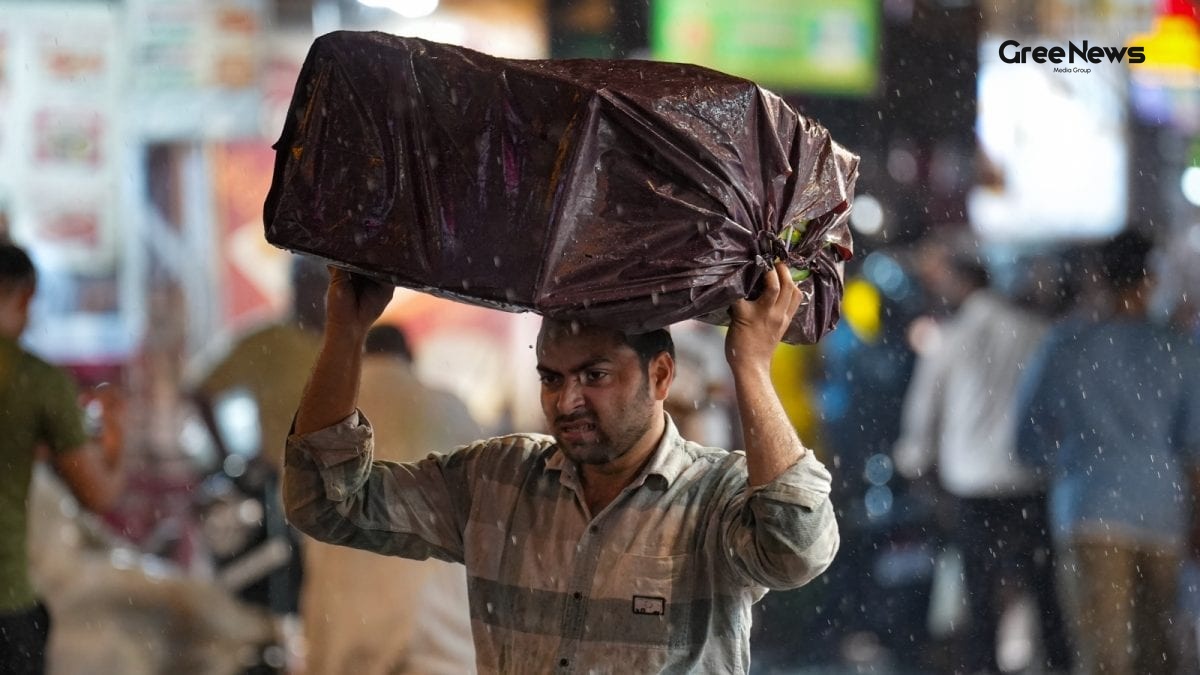
Honestly, I was still sipping my tea on the balcony when the sky over Delhi turned a strange shade of grey. Within minutes, light to moderate showers started drizzling, and the whole city seemed to exhale. It felt like the kind of surprise that makes you stop scrolling through your phone and actually look up. The rain was not heavy, but enough to cool the air, and you could feel the temperature dropping as the clouds gathered. For many of us who had been stuck in the heat all day, it was a real relief.
If you follow the latest news India feeds, you would have seen people posting short videos of water puddles forming on Delhi roads, kids splashing, and the usual traffic slowing down a bit. The whole vibe changed from "breaking news" about heatstroke warnings to a more relaxed, almost joyous atmosphere. That shift truly felt like a mini‑holiday for Delhi residents.
Record heat earlier in the day Safdarjung touched 41°C
Before the rain, Delhi recorded its hottest day of the season. Safdarjung hit a blistering 41°C, and other stations like Palam, Ridge and Lodi Road also reported temperatures well above the normal range. The heat was gripping, and even the shade offered little comfort. It was the kind of heat that makes you think about buying a new fan or heading to the nearest mall just to feel some air‑conditioned breeze.
When I looked up the numbers, the India Meteorological Department (IMD) had already flagged the heat as “above normal”. The whole city was under a yellow weather alert, warning people to stay hydrated and avoid long exposure outdoors. Honestly, it felt like every news channel in Delhi was shouting about heat‑related health concerns, and the social media buzz was filled with tips on staying cool.
Sharp temperature drop after the peak heat
By the evening, the weather shifted rather quickly. Clouds gathered, and showers spread across the city. Many areas reported that the temperature fell by about 7°C, offering a brief but significant relief from the earlier heat. If you were walking home from work, you could actually feel the difference the air was cooler, and the humidity seemed more bearable.
The India Meteorological Department (IMD) also upgraded its alert from yellow to orange, warning of moderate rainfall, thunderstorms, lightning, and winds reaching up to 40 km/h during the night. It was a clear sign that the weather was turning from dry and scorching to wet and breezy, a stark contrast in just a few hours.
What caused the sudden rain?
Weather experts explain that the sudden shift is likely linked to a weak western disturbance moving over north‑western parts of the region. This system brought cloud cover and moisture towards Delhi, creating favourable conditions for rain and thunderstorms. Basically, the disturbance acted like a cold front in the middle of summer, shaking things up.
In the morning, Delhi’s sky was hazy with dust, indicating stable, dry air. But as the day progressed, wind patterns changed the winds picked up and started pushing the moist air into the city. The interaction between intense surface heat and the moisture carried by the western disturbance often leads to sudden weather changes, especially during the pre‑summer months.
It’s interesting how the same winds that bring dust can later bring rain, isn’t it? This dual nature of Delhi’s weather keeps us on our toes, and many people were surprised by how quickly the clouds rolled in.
Will the relief last?
Despite the rain, the relief is expected to be short‑lived. Forecasts suggest that Delhi’s temperature could rise again over the next two to three days, with maximums hovering around 41‑42°C. There is also a possibility of isolated heatwave conditions resurfacing.
Mahesh Palawat of Skymet told PTI that “temperatures are expected to rise further across Delhi‑NCR and northwest India over the next two to three days, potentially touching 41 to 42 deGrees Celsius and leading to isolated heatwave conditions.” In plain words, after the brief cool‑down, the city might be back to its usual summer grind soon.
For the next day, the India Meteorological Department (IMD) predicts a partly cloudy sky, with maximum temperature likely around 41°C and the minimum around 21°C. So, you can expect a mix of sunshine and a few more chances of light showers, but the overall heat will still be there.
Air quality still a concern
Another thing that didn’t change much is Delhi’s air quality. Even after the rain, the city’s AQI stayed in the ‘poor’ category, at around 263. This means that pollution levels remain high, and people with respiratory issues should continue to take precautions. The rain helped a little by washing down some dust, but the overall pollution scenario is still challenging.
Many Delhi residents posted on social media that they felt the air cleaner for a short while, but the smell of smog returned once the skies cleared. It’s a reminder that while weather can provide temporary comfort, long‑term solutions for air quality are still needed.
What people are saying on the ground
Walking through a local market, I heard vendors chatting about how the rain might attract more shoppers later in the evening. “When it rains, people come out for street food,” one of them said, laughing. Others were just happy that the heat hadn’t been relentless for the whole day.
On social media, trending tags included #DelhiRain, #HeatwaveRelief, and #IndiaUpdates. Many users shared short clips of rainwater collecting on the footpaths, kids playing, and a few selfie‑videos with the caption “Finally, some rain!”. The reaction was genuine, and you could see why such a sudden change would become viral news.
Tips to stay safe during the fluctuating weather
Given the rapid swing from extreme heat to rain, here are a few practical pointers that I gathered from locals and weather experts:
- Carry a light raincoat or an umbrella if you’re heading out in the evening you never know when a sudden shower might start.
- Stay hydrated. Even if it’s cooler, the humidity can make you feel sluggish.
- If you have asthma or other breathing problems, keep your inhaler handy the AQI might still be high.
- Avoid standing under trees during thunderstorms; lightning can be a real threat.
- Check the India Meteorological Department (IMD) alerts regularly they update warnings as conditions evolve.
These simple steps can help you navigate the day without getting caught off‑guard by the weather’s mood swings.
Looking ahead what could the next few days bring?
With the western disturbance moving away, the city might revert to its usual summer pattern clear skies, high temperatures, and the usual buzz of traffic and bustling streets. However, climate experts say that such quick changes could become more frequent, especially with the broader impacts of climate change.
For now, the rain gave Delhi a short taste of relief, and many people are holding onto that memory as a little breakthrough in an otherwise hot spell. If you’re planning to step out, keep an eye on the latest news India portals and the India Meteorological Department (IMD) alerts. You never know when the next surprise might happen.
In the meantime, enjoy the cooler evenings, maybe grab a cup of chai from your favourite stall, and stay safe. After all, Delhi’s weather has a way of keeping us guessing, and that’s what makes living here so interesting.