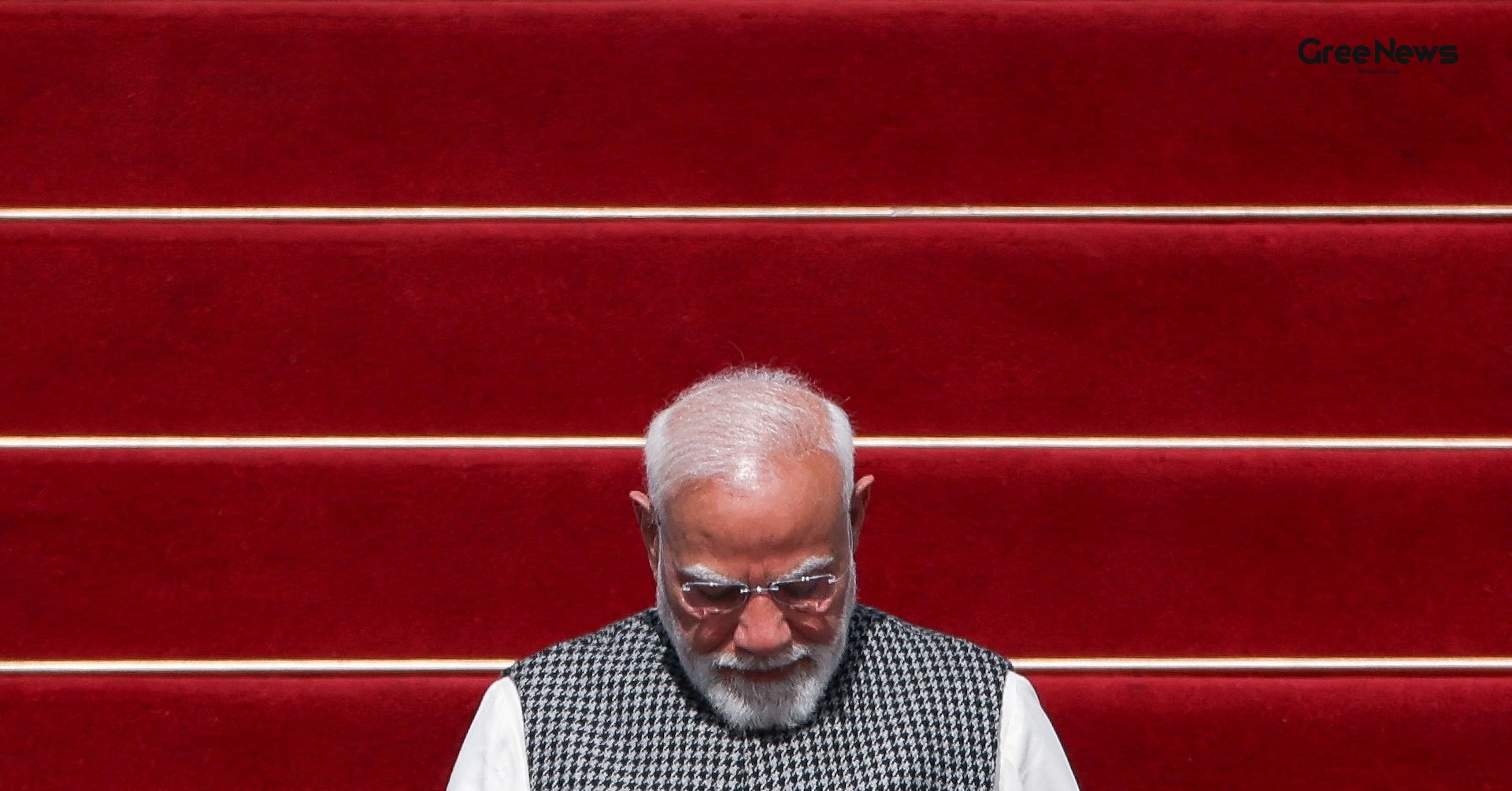
Honestly, when I first saw the news flash on my phone this morning "Constitution (131st Amendment) Bill defeated" I could feel my heart skip a beat. It was one of those moments of "breaking news" that makes you sit up straight, sip your chai a little faster, and wonder what’s really happening behind the scenes. I’m a regular follower of the political beat, so the defeat of the women’s reservation amendment felt like a personal jolt, especially because the bill promised to reshape our legislative landscape by 2029.
What caught people’s attention next was the immediate reaction from the BJP and its NDA allies. Within hours, the party’s Mahila Morcha announced a plan to organise protests at every district headquarters across the country. As someone who has covered grassroots movements for years, I could instantly picture the sea of saffron‑clad women marching, banners fluttering, and the hum of local crowds echoing the party’s call to "stand up for Nari Shakti".
Why the Bill Was Such a Big Deal
The Constitution (131st Amendment) Bill, often referred to as the Women’s Reservation Amendment, was designed to reserve one‑third of seats for women in both Parliament and state legislatures. The proposal had been bubbling up since 2023, with the government promising to roll it out before the 2029 General Elections. For many of us who grew up hearing about gender inequality, this felt like a tangible step toward balancing representation.
In most cases, legislation of this magnitude sparks heated debate, and this one was no different. While the ruling coalition hailed it as a historic opportunity, the INDIA alliance, led by Rahul Gandhi, opposed it, arguing that it could undermine democratic principles. That opposition, according to the BJP, turned a potential milestone into a "setback to Nari Shakti" a phrase that quickly became a trending tag on social media and a staple of the day's "trending news India" feed.
My Front‑Row Seat to the Immediate Aftermath
By the time I reached my office, the Lok Sabha chambers were already buzzing with headlines. I could hear the murmurs of women MPs from the NDA, who had gathered on the Parliament premises to protest the bill's failure. I remember a colleague whispering, "Did you see the Mahila Morcha’s statement?" It felt like the entire nation was holding its breath, waiting for the next move.
Then came the official statements from senior BJP leaders. Jai Shri Ram! Even before the official press release, I caught a glimpse of a live‑stream where BJP MP Poonam Ben Maadam was addressing a crowd of party workers. She said, "It was decided in 2023 that the women’s reservation Bill will be implemented across the nation by 2029. When the government finally presented this Bill, the INDIA alliance, under the leadership of Rahul Gandhi, completely opposed it and stopped it from passing. The nation’s women will not forgive Rahul Gandhi and the INDIA alliance…" You could hear the emotion in her voice it wasn’t just politics, it was personal.
Another senior voice, BJP MP Bansuri Swaraj, followed up with a scathing criticism of the opposition, calling their stance a betrayal of women’s empowerment. He emphasized that the day was meant to fulfil promises, not to serve political self‑interest. This narrative is now a staple of the "viral news" cycle, shared across WhatsApp groups and Twitter threads.
Plans for a Nationwide Protest From Delhi to Kanyakumari
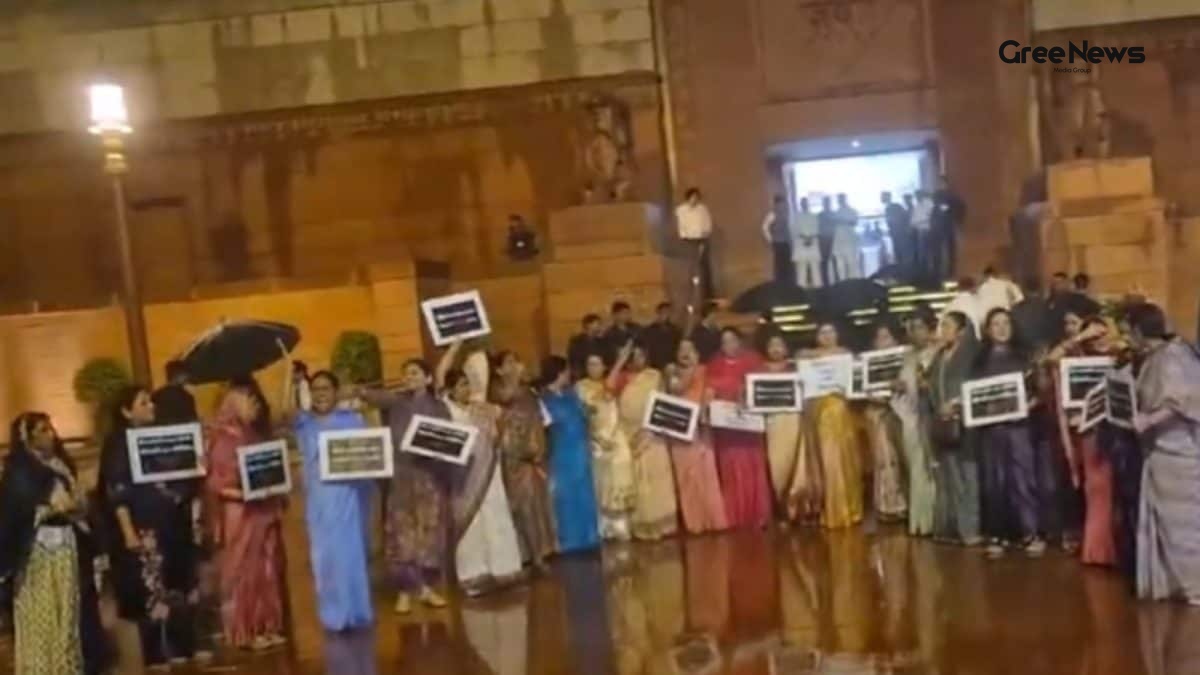
The BJP Mahila Morcha’s blueprint is ambitious. Protests are slated to happen at all district headquarters that means more than 700 locations, from the bustling streets of Mumbai to the quiet lanes of Mizoram. The plan is to create a visible, coordinated wave of dissent that will be hard for the opposition to ignore.
What’s interesting is the strategic timing. The party has said it will highlight the issue prominently in the upcoming elections in West Bengal and Tamil Nadu. By framing the bill’s defeat as a missed chance to expand seats and implement reservation by 2029, the BJP hopes to turn this into a potent election‑season talking point.
Inside the NDA’s War Room The Meeting With JP Nadda
According to reliable sources on the ground, a high‑level meeting was convened shortly after the vote. Rajya Sabha leader of the house JP Nadda chaired the session, gathering the top brass of the NDA. The atmosphere, as described by insiders, was a mix of urgency and resolve.
Leaders have been asked to run a three‑week campaign, reaching out to local bodies, party workers, and ordinary citizens. The instructions are clear: expose the "mindset" of the opposition, especially the Congress, and galvanise support for the women’s reservation cause. There’s even talk of boycotting Congress rallies and, in a more aggressive tone, “gherao” (surrounding) the homes of those leaders who voted against the bill.
Now, I’m not a fan of any political intimidation, but the language used reflects a genuine frustration that many in the NDA feel. The narrative is being built around the idea that the opposition put political interests ahead of women’s empowerment a story that is resonating deeply with many party loyalists.
Why This Matters The Bigger Political Picture
From a broader perspective, the defeat of the women’s reservation amendment could reshape the upcoming election narratives. In West Bengal, where the BJP is trying to make inroads against the Trinamool Congress, and in Tamil Nadu, where it is battling the DMK, the “women‑reservation” angle may become a pivotal issue.
People across the country are talking about it on social platforms you’ll find the hashtags #NariShakti, #WomenReservation, and #IndiaUpdates trending in seconds after each new development. The BJP’s push to turn this into a rallying cry is a classic move to turn a legislative defeat into a political advantage.
Meanwhile, the opposition’s stance is being scrutinised closely. Critics argue that the INDIA alliance’s opposition might have been based on procedural concerns, but the BJP paints it as a betrayal. This binary framing is precisely why the story has become such "breaking news" and why it continues to dominate the "latest news India" cycles.
What Might Happen Next?
So, what’s the next step? If the NDA’s three‑week campaign gains momentum, we could see massive street protests, possibly even blockades at railway stations or highways. The party’s directive to boycott Congress events might lead to a wave of local confrontations, especially in states where political loyalties are already sharp.
There’s also the possibility of legal challenges. Some experts suggest that the defeated amendment could be re‑introduced in the next parliamentary session, perhaps with modified language to appease dissenting voices. If that happens, we might see a second round of intense lobbying and public engagement.
On a personal note, I’ll be keeping a close eye on how the protests unfold in my city. The streets are already buzzing with volunteers preparing placards, and I can hear the chatter in tea stalls about who will get the next big ‘Nari Shakti’ rally. It feels like we’re at a turning point a moment where political drama meets real‑world impact on women’s representation.
Conclusion A Story That Keeps Evolving
In the end, the defeat of the Constitution (131st Amendment) Bill has turned into more than a legislative hiccup; it’s become a rallying point that’s shaping the political landscape ahead of crucial elections. Whether you see it as a missed opportunity for women’s empowerment or a strategic move by the opposition, the story is clearly one of the most "viral news" items shaping the narrative of "India updates" right now.
For those of us watching from the ground, the upcoming protests promise to be a vivid illustration of how policy, politics, and public sentiment intertwine. As the NDA gears up for a three‑week march, the question on everyone’s mind is simple: will this protest change the course of the next election, or will it simply be another chapter in the long saga of Indian politics? Only time will tell, but one thing is certain the buzz will keep us all glued to the latest updates, and we’ll be here, sharing every twist and turn as it happens.