Amit Shah accuses Mamata Banerjee and Abhishek Banerjee of trying to divide Bengal and build Babri Masjid
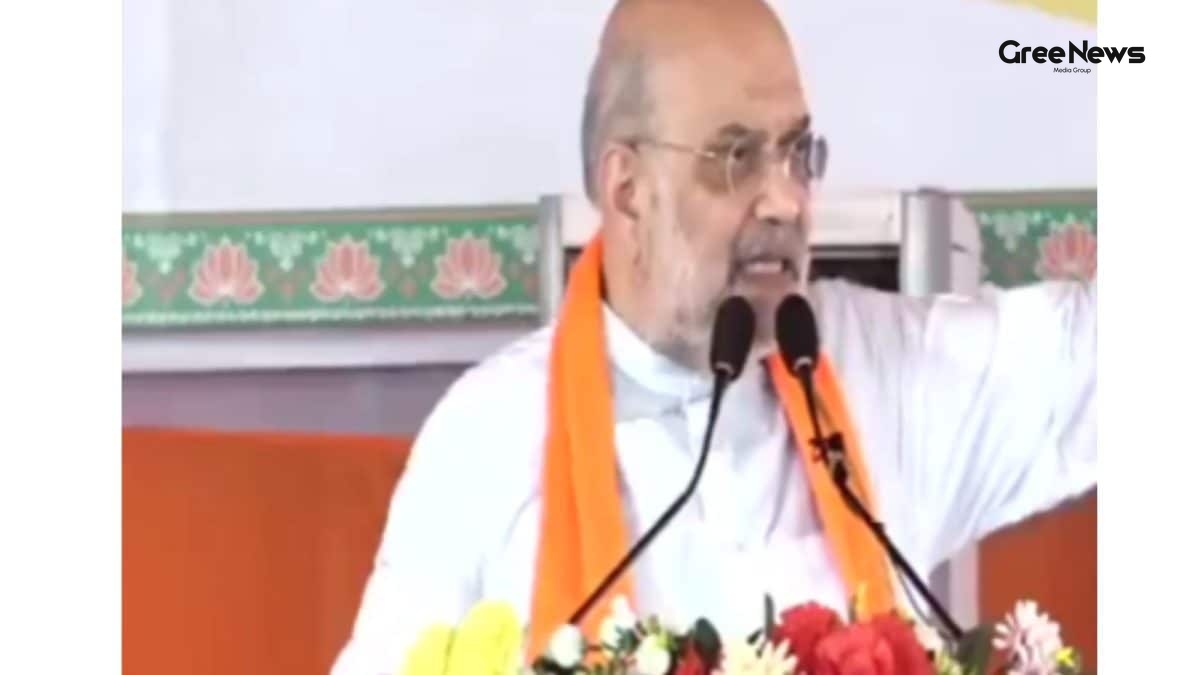
Let me tell you, the atmosphere at the Gangarampur rally was electric, the sort of vibe you usually see in a big cricket match when the home team is about to hit a six. Amit Shah, the Union Home Minister, walked up to the mic and, without any hesitation, started pointing fingers at West Bengal Chief Minister Mamata Banerjee and her nephew Abhishek Banerjee. He called them “leaders of the gang that wants to divide Bengal”. You could literally feel the tension rise as the crowd tried to digest those words.
Now, why does this matter? In most cases, when a senior leader like Amit Shah uses such strong language, it instantly becomes the latest news India is buzzing about. The words weren’t just for theatrics; he specifically accused Mamata of blocking the handover of land to the Border Security Force (BSF) for fencing the international border. According to Shah, this delay is giving room for “infiltrators” who, he says, threaten national security and steal job opportunities from the youth.
He added, quite dramatically, that once the BJP forms the government, they will ensure the land is handed over without any delay and the border fencing gets completed. “We will throw out each and every infiltrator from Bengal,” he promised. That line alone has been quoted across social media and turned into viral news clips.
What’s interesting is how he linked the issue of infiltration to the political rivalry in the state. By saying the infiltrators are a direct threat to the youth’s jobs, Shah was also nudging at the larger narrative that the BJP wants to position itself as the protector of employment and security a theme that keeps resurfacing in India updates and trending news India today.
Babri Masjid Claims A New Twist in the Bengal Drama
Just when you thought the story couldn’t get any hotter, Shah shifted the focus to something that has been a flashpoint in Indian politics for years the Babri Masjid. He outright claimed Mamata Banerjee wants to build a replica of the Babri Masjid in Bengal. “Didi, the BJP government is coming to Bengal, and we will not allow Babri Masjid to be built on the soil of Bengal,” he declared. The mention of “Didi” a nickname for Mamata added a personal touch that made the crowd react with a mix of cheers and jeers.
This accusation wasn’t limited to Mamata alone. Shah also dragged Humayun Kabir, a senior Trinamool Congress (TMC) leader, into the fray. He called Kabir an “agent of Mamata” who is allegedly trying to build the mosque on her behest. “Humayun Kabir is Didi’s own agent. On Didi’s signal, he is building the Babri Masjid, but Didi, your time is up,” Shah stated, adding a dramatic flourish that felt like a scene from a Bollywood climax.
Why bring up Babri Masjid now? The reference ties back to an incident that happened on the anniversary of the demolition of the original Babri Masjid in Ayodhya, when Kabir laid a foundation stone for a replica in Murshidabad. That act had already been a source of controversy, and Shah seemed to be leveraging it to paint the TMC as anti‑national.
Raw Reactions from West Bengal Leaders
From the TMC side, the response was swift and fiery. Mamata Banerjee, never one to sit back, labeled Shah’s statements as baseless and called him a “traitor”. She accused the central leadership of trying to create a narrative that would destabilise the state’s political fabric. Her reaction, as expected, became the talk of the town, with many netizens sharing clips of her speech under the #MamataVsShah tag, turning it into a trending news India moment.
Abhishek Banerjee, who is also the AITC General Secretary, defended his aunt’s position. While he didn’t directly respond to the Babri Masjid allegation, he highlighted the ongoing development work that the state government has undertaken, subtly counter‑arguing that the border fencing issue is a collaborative effort rather than a point of contention.
Humayun Kabir, caught in the crossfire, tried to downplay the controversy by stating that the video that allegedly showed him boasting about BJP connections was fake and generated by AI. He argued the footage was manipulated, a claim that has added another layer of intrigue to the already heated situation, making it even more viral.
Political Background Why the Border and Infiltrator Talk Matters
Border security has long been a hot button issue in West Bengal, especially because the state shares an international boundary with Bangladesh. Over the years, both national and state leaders have promised to fence the border to curb illegal cross‑border movement. When Shah talked about “infiltrators” taking away youth jobs, he tapped into a genuine concern that many families in districts like Dakshin Dinajpur feel daily.
In a typical Indian household, a father might go out to work as a daily‑wager, a mother might run a small shop, while the kids are looking for decent jobs. Any hint that outsiders might be taking those jobs hits close to home. Shah’s promise to “throw out each and every infiltrator” thus resonated with people concerned about livelihood, and it made the chanting of “BJP first!” more audible in the rally.
But there’s a flip side. Critics argue that the term “infiltrators” can be misused to target innocent citizens, especially in a diverse state like West Bengal where language, culture, and identity often blur the lines of who belongs where. This debate has been simmering for years, and Shah’s remarks have reignited it, turning it into one of the most talked‑about pieces of breaking news India is discussing on radio, TV, and WhatsApp forwards.
Why the Babri Masjid Issue Is Still Sticky
The Babri Masjid saga is a chapter of Indian politics that never truly closes. Even after the Supreme Court verdict, the memory lingers. By bringing it up in the context of Bengal, Shah isn’t just accusing Mamata of a construction plan he’s invoking a symbol that still conjures strong emotions across the nation.
For many Hindus, the idea of a Babri Masjid replica being built somewhere else feels like a fresh wound, whereas for Muslims it becomes a question of religious freedom and respect. In a state where the communal fabric is relatively calm compared to other regions, such a statement can quickly become viral news (there you go, “viral news” keyword), prompting heated debates on social media platforms, in tea stalls, and even in office break rooms.
Adding to the drama, the timing of Shah’s comments aligns with the anniversary of the original demolition a date that already sees a spike in media coverage. Thus, his claim became instantly amplified, turning a rally speech into an item that features prominently in India updates across news portals.
Impact on the Upcoming Elections What Voters Might Think
West Bengal is a state that loves its politics with a dash of drama, and any new controversy just fuels the fire. The upcoming polls have already become a topic of daily conversation on buses, in markets, and in family groups. Shah’s aggressive tone could serve two purposes: first, it rally‑ups the BJP base by painting the TMC as anti‑national; second, it tries to sway undecided voters who worry about border security and job competition.
On the other hand, Mamata’s counter‑attack, describing Shah as a “traitor”, might rally the TMC loyalists who feel that the central government is always trying to meddle in state affairs. In many households, you’ll hear elders saying, “Let them fight, we’ll just focus on feeding our kids.” Yet, younger voters, especially those active on Instagram and Twitter, often get swayed by quick snippets of speeches the kind that become trending news India pieces.
One of the curiosities here is how the narrative of infiltration and Babri Masjid might affect voting patterns in border districts versus urban centres like Kolkata. While our article can’t predict the future, it’s safe to say that this episode has become a part of the collective conversation, and that’s what makes it a classic example of breaking news that shapes public opinion.
What Happened Next The Aftermath and Ongoing Debate
After the two rallies the one in Gangarampur and the later one in Raniganj, West Burdwan district social media explodes. Clips of Shah’s speech are shared on WhatsApp with captions like “Must watch Amit Shah’s bold claims!” while Mamata’s rebuttal videos get re‑posted with tags such as “Mamata fights back”. This digital back‑and‑forth makes the story one of the most viral news items of the week.
On the ground, people in Dakshin Dinajpur are talking about fencing the border. Some farmers say they’ve been waiting for the land to be handed over to the BSF for years, while others worry that the fencing might restrict their access to fields. This mixture of hope and concern reflects the real‑life impact that political statements can have on ordinary Indians a nuance that often gets lost in the headline frenzy.
Meanwhile, the AI‑generated video controversy involving Humayun Kabir continues to stir debates about misinformation. Many fact‑checkers have weighed in, saying that deep‑fake technology is becoming more accessible, and politicians need to be careful about the narratives they push. That whole episode itself turned into a piece of breaking news India was following, illustrating how technology intertwines with politics in today’s era.
All in all, the episode has kept the nation glued a perfect illustration of how a single rally can spark a wave of discussions, from border security to religious symbolism, and from job concerns to the trustworthiness of online videos. It’s exactly the kind of story that keeps readers scrolling, wanting to see what the next development will be.
Key Takeaways Why This Story Still Matters
- Shah’s accusations have put the issue of illegal border infiltration into the national spotlight, tying it directly to job security for the youth.
- The Babri Masjid allegation adds a religious‑sensibility dimension that makes the story instantly viral and highly shareable.
- Both sides have used strong language, turning the political rivalry into a personal showdown that resonates with everyday Indians.
- The controversy over the AI‑generated video highlights the growing challenge of misinformation in Indian politics.
- With elections looming, these narratives could influence voter sentiment across both rural border districts and urban centres.
For anyone tracking the latest news India, especially those interested in how politics influences social issues, this episode is a must‑watch. It will likely stay in the headlines for weeks, contributing to the pool of trending news India and shaping India updates that matter to millions.