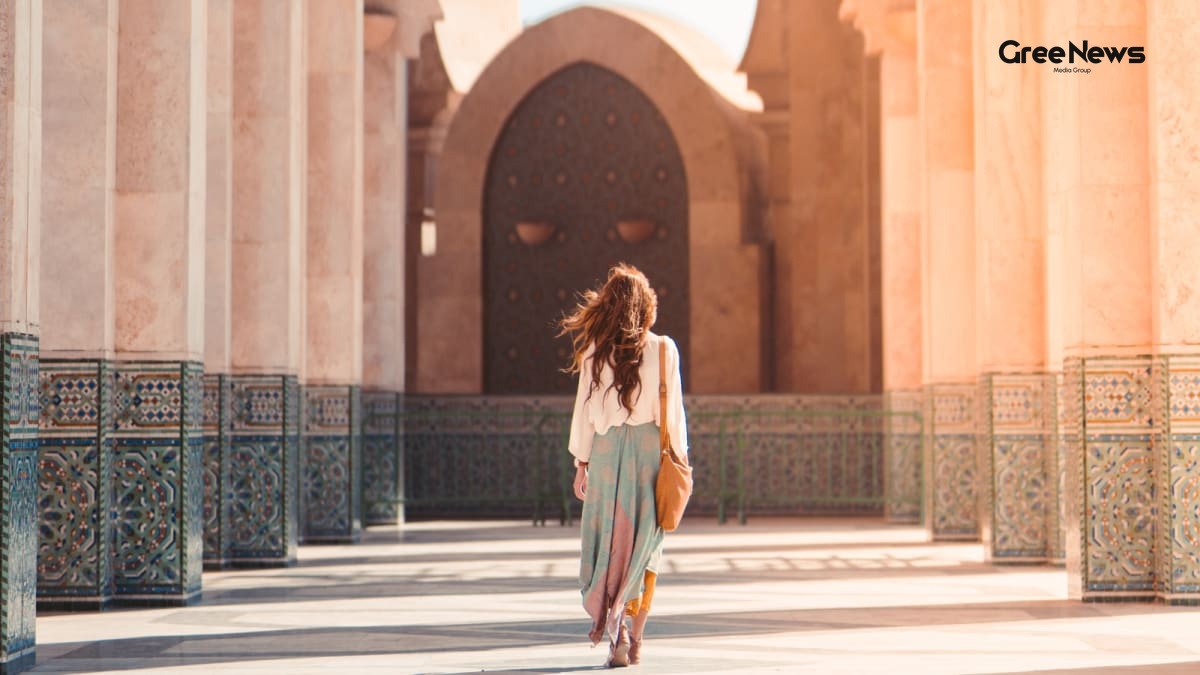
Honestly, the first time I stepped into a city where I didn’t have to worry about traffic lights or parking fees, I felt a strange mix of relief and excitement. It was like discovering a secret side of India that most of us miss while we’re stuck in bumper‑to‑bumper rush hour. The whole experience reminded me of those childhood evenings when we used to walk home from school, chatting with neighbours and watching the sunset paint the sky. That simple pleasure is what makes these six walkable Indian cities stand out they bring back that easy, breezy vibe while still offering all the modern comforts.
Why Walkability Matters in Indian Cities
In most Indian metros, the word “traffic” instantly conjures up images of honking horns, endless queues, and the unmistakable smell of diesel. But when you start looking at a city’s layout from a pedestrian’s perspective, a whole new world opens up. Walkable streets encourage people to spend more time outdoors, which means you get to soak in the local culture be it a street‑side chai stall, a bustling market, or the occasional street performer.
From my point of view, the biggest advantage is the health boost. Walking just 30 minutes a day can do wonders for your heart, mood, and overall energy levels. Plus, when you’re not stuck inside a car, you’re more likely to notice those tiny details that make a place unique: the pattern of tiles on a heritage building, the scent of fresh mangoes at a roadside vendor, or the cheerful chatter of kids playing cricket in a tiny alley.
And let’s not forget the environment. Reducing the number of cars not only cuts down on air pollution a huge issue in many Indian cities but also lessens noise levels, making the whole atmosphere calmer and more pleasant. In fact, many residents I spoke to told me they feel more connected to their neighbourhoods simply because they walk more often.
Coastal Charm: Walking Along the Seaside
One of the most memorable experiences for me was strolling through a coastal city where the sea breeze constantly tugged at my hair. The streets were lined with palm trees, and the sound of waves was a constant companion. You could literally walk from a local fish market to a beachside promenade in under ten minutes, and each step felt like a mini‑vacation.
What caught people’s attention the most was how the city managed to keep its traffic to a bare minimum while still providing all the essential amenities. Shops were within walking distance, and you never felt the need to hop into a car just to get a quick bite. Instead, I found myself stopping at a small shack to savour freshly fried fish and coconut water a simple pleasure that would have been missed if I’d been driving.
Most locals I met said they love the fact that they can reach the beach, the market, and the bus stop all on foot. It not only saves them money on fuel but also gives them a chance to start the day with a relaxed walk, something that feels increasingly rare in fast‑paced Indian life.
Heritage Streets: Walking Through History
Another city I visited is famous for its heritage lanes narrow streets flanked by centuries‑old architecture, where each turn tells a story. Walking there felt like flipping through a living history book. You could see old wooden doors, intricate stone carvings, and even a few remnants of colonial-era buildings, all coexisting with modern cafés and boutique stores.
What’s interesting is how the city’s planners have managed to preserve these historic areas while still keeping them pedestrian‑friendly. The streets are mostly car‑free zones during peak hours, allowing locals and tourists alike to wander without the constant worry of horns and exhaust fumes. In most cases, the narrow alleys naturally discourage heavy vehicle traffic, making walking the most logical mode of transport.
This caught people’s attention because it offers a seamless blend of the old and the new. You can have a morning walk that ends with a cup of masala chai served in a centuries‑old courtyard. That’s the kind of experience that turns a simple stroll into a memorable adventure, and it’s a big reason why many residents prefer walking over driving.
Calm Neighbourhoods: Everyday Life on Foot
Beyond the tourist‑y spots and heritage districts, the true charm of a walkable city lies in its everyday neighbourhoods. In one of the six cities I explored, the residential areas were designed in a way that most daily errands could be completed on foot. Grocery stores, schools, parks, and even small clinics were just a few minutes away from the average home.
During my stay, I watched a mother take her kids to a nearby park, a neighbour pop into a corner bakery for fresh buns, and an elderly gentleman stroll to the local tea stall for his afternoon chai. All of them were moving at a relaxed pace, Greeting each other with a smile a scene that felt almost nostalgic compared to the hurried rush we see in most Indian metropolises.
Many locals mentioned that the walkability of their neighbourhood reduces their dependence on public transport, which can be unreliable at times. Instead of waiting for a bus that might be late, they simply step out and walk to wherever they need to go. That small shift in mindset not only improves health but also builds a stronger sense of community.
Benefits for Residents: More Than Just Convenience
When you think about a city where walking is the norm, it’s easy to focus only on the convenience factor. However, the benefits go way deeper. For starters, property values tend to be higher in walkable areas because people love the idea of a car‑free lifestyle. In one of the places I visited, a local real‑estate agent told me that families are willing to pay a premium for apartments that are within walking distance of schools and markets.
Another advantage is the boost to local businesses. Street vendors, small cafés, and boutique stores thrive when foot traffic is high. I recall watching a street musician setting up near a popular walkway; within minutes, a crowd gathered, and the nearby shop’s sales spiked because people stopped to listen. That kind of organic economic activity is something you rarely see in car‑dominated zones.
Lastly, there’s a mental health component. Walking through a city’s Green spaces, breathing fresh air, and interacting face‑to‑face with neighbours reduces stress levels considerably. In fact, many residents I spoke to admitted that they feel more relaxed and happier because they can simply step outside and go for a walk whenever they need a break.
Tips for Visitors: Making the Most of a Car‑Free Day
If you’re planning to explore one of these six walkable Indian cities, here are a few practical pointers that helped me enjoy the experience to the fullest:
- Wear comfortable shoes you’ll thank yourself after a few kilometres of strolling.
- Carry a small bottle of water; the weather can get warm, especially in coastal or heritage areas.
- Plan your route using a simple map or a smartphone app that highlights pedestrian pathways.
- Take time to stop at local stalls a quick bite of veg‑pulao or a cup of filter coffee can turn a routine walk into a culinary adventure.
- Be mindful of traffic rules even in pedestrian zones; some streets may still allow limited vehicle movement during peak hours.
What happened next was that I discovered a tiny tucked‑away park that wasn’t marked on any tourist guide. Sitting there, watching families laugh and dogs chase butterflies, I realised how much richer an experience becomes when you’re not confined to a car. Many people were surprised by this simple joy that walking brings.
Final Thoughts: Walking Towards a Smarter Future
All in all, these six Indian cities show that a car‑free lifestyle isn’t just a lofty ideal it’s something many locals already practice and love. By prioritising walkability, they’ve managed to create environments that are healthier, more community‑focused, and in many cases, more economically vibrant. If you’ve ever felt weary of traffic chaos, I hope this personal glimpse inspires you to give walking a try, even if it’s just for a few kilometres in your own neighbourhood.
Who knows? Maybe the next time you’re stuck in a jam, you’ll remember these walkable cities and decide to step out for a short walk instead. After all, the journey on foot might just lead you to some of the most authentic, unhindered moments of everyday Indian life.