Why this story is making the rounds in the latest news India
Honestly, when I first heard about Justice Shekhar Kumar Yadav’s pending impeachment, I thought it was just another headline in the sea of breaking news we see every day. But as I dived deeper, the whole thing felt a bit more personal like a drama that could happen to anyone in the legal fraternity, and it sparked a lot of conversation among my friends in Delhi and Kolkata. The fact that the motion is stuck in the Rajya Sabha only adds to the suspense, making it a piece of trending news India can’t seem to ignore.
Background: A quick look at Justice Shekhar Kumar Yadav’s career
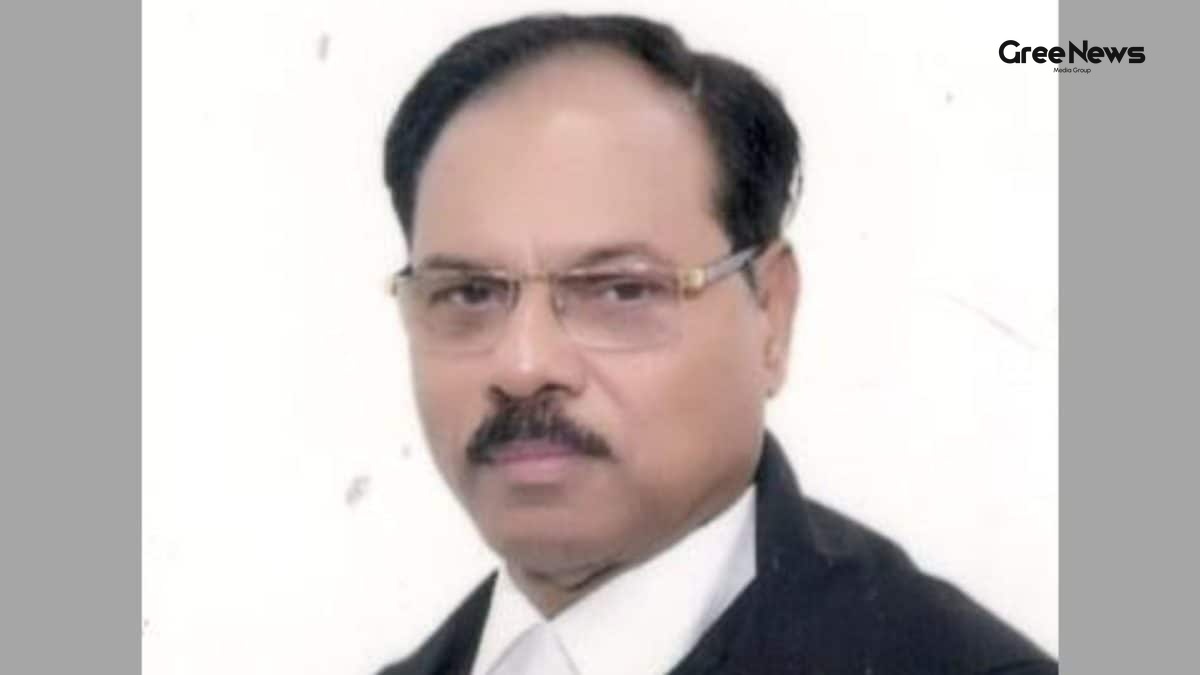
To understand why the impeachment talk has caught so much attention, you need to know a little about Justice Yadav’s journey. He was first appointed as an additional judge of the Allahabad High Court in December 2019. After a couple of years of service, he got confirmed as a permanent judge in March 2021. Over those years, he handled a mix of civil, criminal, and constitutional matters, gaining a reputation for being thorough, albeit a bit outspoken at times.
In most cases, High Court judges in India keep a low profile, letting their judgments speak for themselves. But the moment you throw a speech at a public forum into the mix, especially one organized by the Vishwa Hindu Parishad (VHP), things start to get… well, interesting. The particular speech that has become the center of this controversy was delivered at an event for the VHP’s legal cell, a gathering that attracted activists, lawyers, and a few journalists.
What was said at the VHP event?
Here’s where the story takes a turn. According to reports that have gone viral across social media platforms, Justice Yadav talked about the Uniform Civil Code (UCC) and made remarks about “multiple marriages, halala and triple talaq”. He didn’t name any community directly, but the way he framed those practices as “unacceptable” and linked them to a broader narrative about the majority’s wishes raised eyebrows.
He was quoted saying something along the lines of, “I have no hesitation in stating that this is Hindustan, and this country will function according to the wishes of the majority living here. This is the law. It is not about speaking as a high court judge; rather, the law operates in accordance with the bahusankhyak.”
Now, you might wonder why this line became such a hot potato. In India, the term “bahusankhyak” (majority) is often used in the context of communal politics, and linking it directly to legislating personal law touches a nerve. Many felt the comment bordered on communal bias, which is a serious allegation for any judge, let alone one who is supposed to be neutral.
What’s more, the speech quickly turned into a piece of viral news, with clips shared on WhatsApp groups, Twitter threads, and even YouTube commentary channels. The phrase “India updates” started trending as people debated whether a judge could openly discuss policy matters at a forum that is politically charged.
Immediate fallout: From the bar to the political aisle
After the speech made rounds, the reaction was swift. Bar associations from Uttar Pradesh to Maharashtra wrote letters demanding an inquiry, saying the remarks were “unbecoming of a constitutional judge”. Civil‑society groups, especially those working on minority rights, condemned the statements as “insensitive” and “potentially inflammatory”.
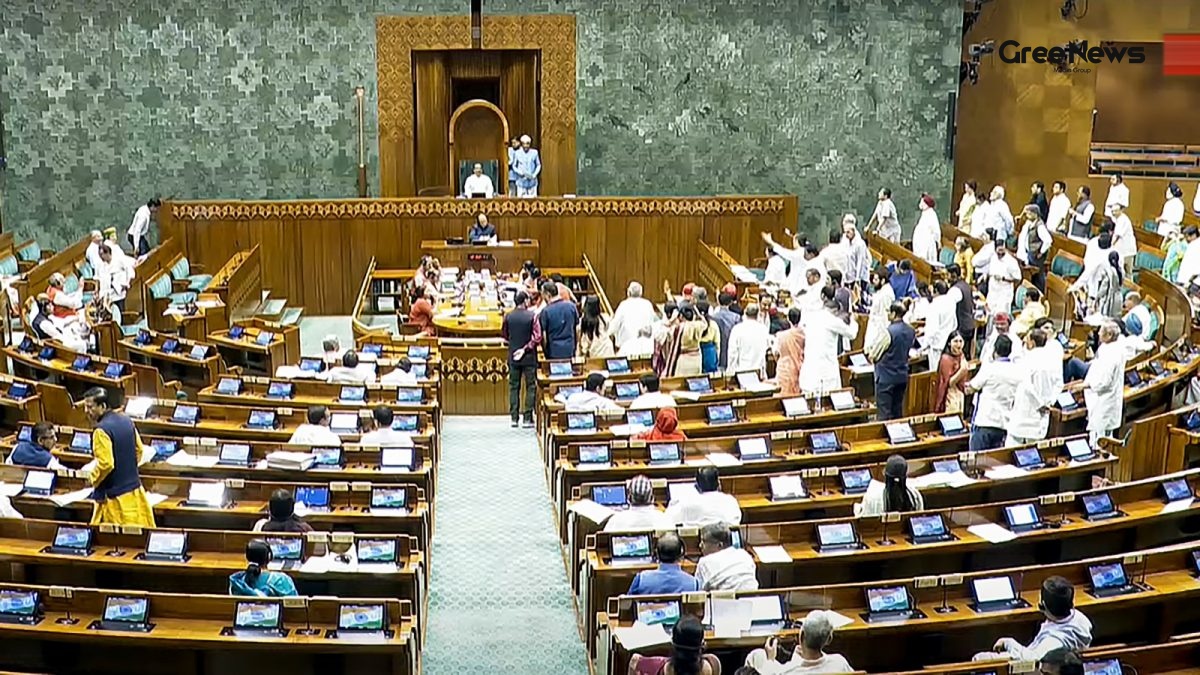
On the political front, several opposition leaders raised the issue in Parliament, urging the Rajya Sabha to look into the matter. The motion for impeachment was formally introduced, and that’s where we stand now the motion is pending, with the Senate yet to decide on taking it forward.
What’s interesting and this caught people’s attention is how the whole episode became a micro‑cosm of the larger debate on the Uniform Civil Code, a topic that’s been a part of Indian polity for decades. The fact that a sitting judge is at the centre of it made the story instantly a trending piece of news across the country.
Understanding impeachment of a judge in India
For those who might not be familiar with the process, impeachment of a High Court judge in India is rare and involves several steps. First, a motion needs to be introduced in either house of Parliament. It then has to be examined by a special committee, which includes judges, legal experts, and members of both houses. If the committee finds the allegations substantiated, the motion is taken up for a vote. A two‑thirds majority in both houses is required for the removal.
In most cases, the process is lengthy, and many motions never make it past the committee stage. That’s why many legal analysts say the real drama here is not just about Justice Yadav’s impending retirement, but also about how the Rajya Sabha handles the pending motion. Will they let it slide, or will they push for a thorough investigation? That’s the question keeping many of us glued to the latest updates.
Retirement date and its implications
Justice Shekhar Kumar Yadav is due to retire on a Wednesday, which, according to the calendar, is just a few days away. The retirement adds another layer of complexity. Some legal experts argue that once a judge retires, the impeachment process becomes moot because the constitutional provision is meant for sitting judges. Others say the motion could still serve as a precedent, signaling that judges are not above scrutiny.
What happened next is interesting a few senior advocates suggested that even after retirement, the matter could be referred to a commission to examine whether any misconduct occurred during his tenure. This suggestion sparked a fresh debate in legal circles, making the story once again a piece of breaking news that keeps generating comments on online forums.
Public perception: From Delhi cafés to rural tea stalls
If you ask anyone on the street in Delhi or a small town in Uttar Pradesh, you’ll hear a mix of opinions. Some say the judge was just voicing his personal view, while others feel that any hint of bias from the judiciary threatens the secular fabric of the nation. One tea‑seller I spoke to in Varanasi said, “If a judge starts talking about majority and minority, it can poison the minds of the people. Our country is already divided, and we don’t need more noise.”
In contrast, a law student from Lucknow felt that the impeachment motion might be politically motivated, saying, “Sometimes politicians use these controversies to score points. We need to be careful before we label anyone as anti‑Muslim without a proper probe.” This split in perception shows how the issue has become a part of trending news India, resonating with both legal minds and the common man.
Media coverage and the role of social platforms
One thing that cannot be ignored is how quickly the story spread on social media. Short clips of the speech, coupled with captions like “Judge says law follows majority”, were shared thousands of times. Hashtags such as #JusticeYadav, #UCCDebate, and #IndiaUpdates started trending, turning the episode into a classic case of viral news.
Traditional media, too, jumped on the bandwagon. Channels aired panel discussions, and newspapers ran op‑eds debating the propriety of a judge speaking at a VHP event. Even morning shows featured the story as part of their daily briefing, cementing its place in the daily news cycle.
What could be the long‑term impact?
Looking ahead, the fallout from this episode could shape how judges engage with public platforms in the future. If the impeachment motion gains traction, it might set a precedent that judges need to stick strictly to courtroom duties and avoid any political or communal commentary, even in personal capacities.
On the other hand, if the motion fizzles out, it could embolden members of the judiciary to voice their opinions more freely, perhaps even on contentious issues like the Uniform Civil Code. That scenario could lead to more debates, not just in courts but also in media houses, making it a continuous source of India’s breaking news circuit.
Conclusion: A story still unfolding
In the end, Justice Shekhar Kumar Yadav’s retirement and the pending impeachment motion form a story that’s more than just a headline; it’s a glimpse into the complex interplay of law, politics, and communal sentiment in our country. Whether you view it as a necessary check on judicial conduct or as a politically charged move, there’s no doubt that it has become a piece of trending news India that keeps people talking from lawyers in courtrooms to moms chatting on WhatsApp groups.
What happened next will probably be decided in the corridors of the Rajya Sabha, but the conversation has already moved beyond Parliament chambers into everyday conversations. As we keep following the latest updates, one thing is clear this case will remain a reference point for anyone studying the delicate balance between judicial independence and accountability in India.