How I stumbled upon the "Pehalwan" story
The draft that went live what actually happened?
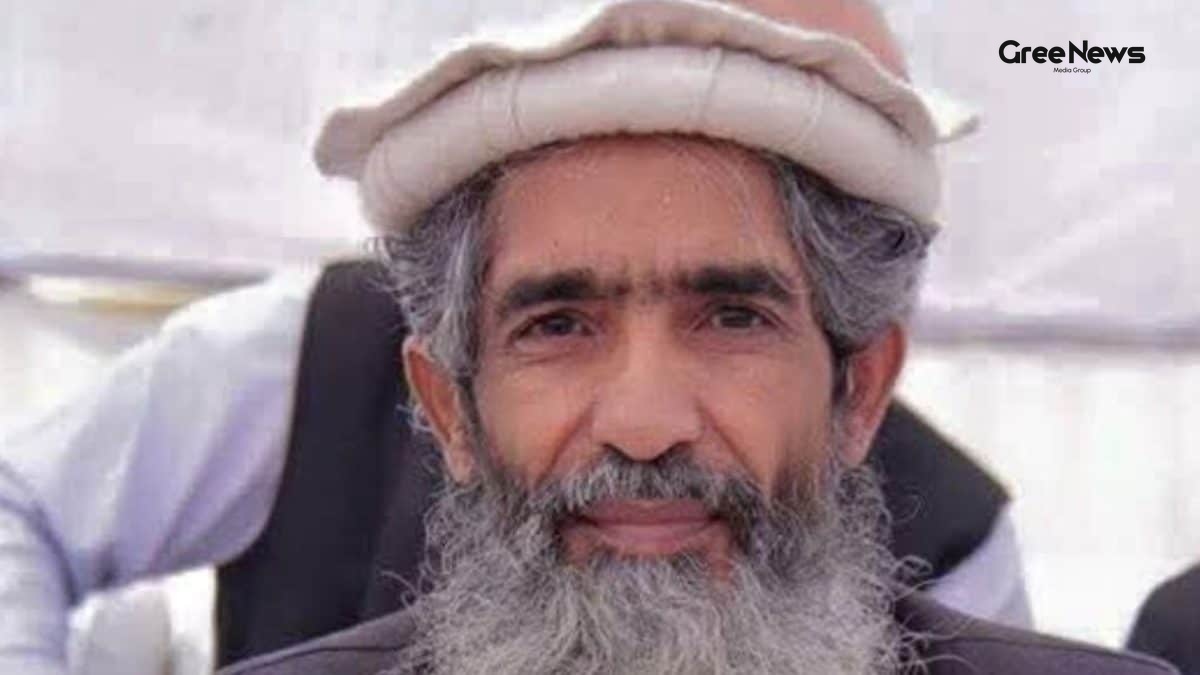
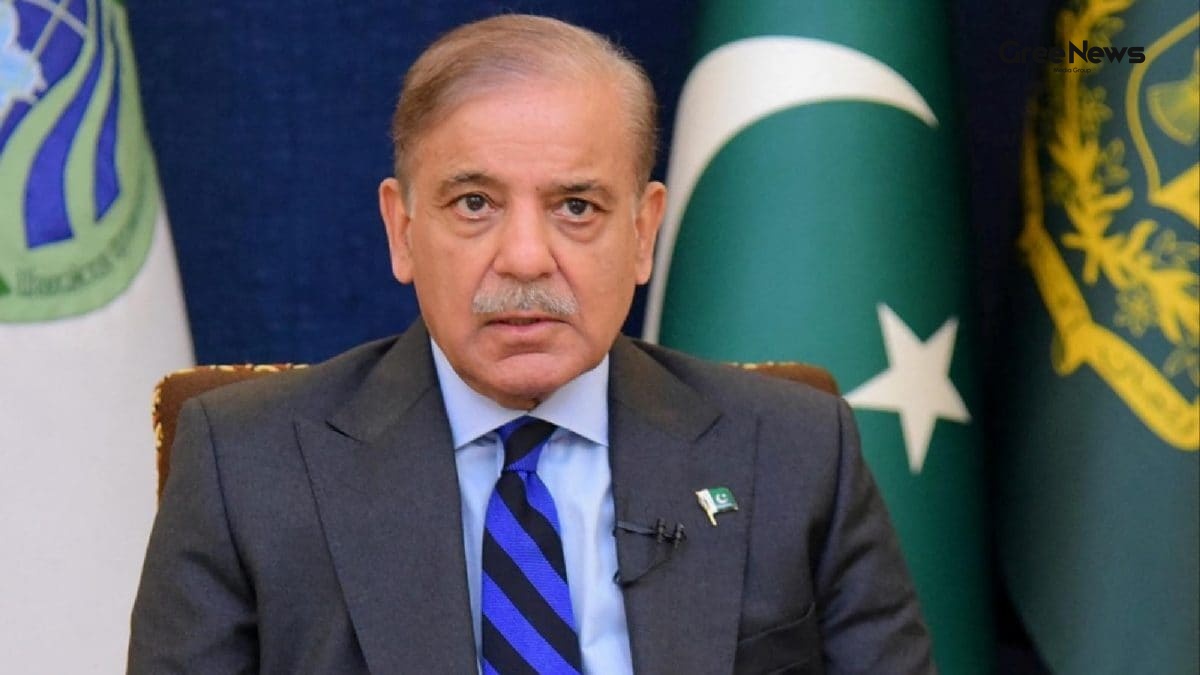
According to veteran journalist Absar Alam, the prime minister’s personal X account isn’t handled by a seasoned communications team. Instead, it’s managed by a member of the PM’s close‑knit staff, a guy the PM calls “Pehalwan”. The nickname, meaning wrestler, stuck because of his robust, no‑nonsense attitude. The twist? Pehalwan doesn’t have a university deGree something that surprised many of us who assumed such a high‑profile role would require formal qualifications.
What made the story break was a plain‑text draft that was meant for internal review. It contained instructions like "Do not post before the minister signs off" and even a placeholder for a confidential attachment. Somehow, the draft got published as is, exposing internal notes to a global audience. In many cases, a simple typo can be brushed off, but this was a full‑blown copy‑paste blunder that turned into breaking news across the sub‑continent.
Why the incident mattered a bit of context
Digital diplomacy these days is a high‑stakes game. A single tweet can shape narratives, influence foreign policy, or trigger media storms. For a country like Pakistan, where international perception often swings dramatically, the stakes are even higher. When the draft went live, foreign diplomats, journalists, and even everyday netizens started picking apart every line. The mishap quickly became trending news India, spawning memes, analysis pieces, and a flood of commentaries asking, "How could this happen?"
What surprised me the most was how casually the whole thing was handled internally. Reports suggest that the prime minister’s reprimand to Pehalwan was something along the lines of "don’t come before me for a few days". In most corporate settings, such a slip would lead to formal warnings or a review of responsibilities. Here, the reaction felt almost informal, which many critics argued reflected a deeper issue of accountability in the current administration.
Who is this "Pehalwan" anyway?
Pehalwan is not a political heavyweight; he’s a personal aide who earned the wrestler tag because of his robust personality and his habit of taking on tasks that might seem too heavy for a regular staffer. According to multiple sources close to the prime minister’s office, he enjoys the protection of a senior federal minister, which makes him somewhat untouchable despite repeated errors. This patronage culture, where personal loyalty often outweighs merit, is something I’ve observed in many bureaucratic set‑ups across South Asia.
While the nickname might sound endearing, it has turned into a symbol of ad‑hoc decision‑making. In most cases, such a nickname would be harmless, but in this instance, it inadvertently highlighted the lack of a structured digital communications protocol. The result? A simple internal note ended up being a global headline.
The fallout from social media buzz to political criticism
Within hours, the incident was being dissected on TV panels, in newspapers, and across Twitter threads. Many political analysts used the episode to argue that if the prime minister’s own social‑media team can’t keep a post private, what hope is there for handling more complex diplomatic messaging? The story didn’t just stay limited to Pakistani circles; it became part of the broader trending news India, with several Indian portals covering it as a cautionary tale about digital governance.
People were surprised when the opposition parties in Pakistan seized the moment to demand a revamp of the prime minister’s communications cell. At the same time, ordinary citizens started questioning why a person without higher education was trusted with such a sensitive platform. The episode sparked a dialogue about the importance of professional training and meritocracy in government roles, a topic that resonates with many of us who have seen similar issues back home.
My personal take what this says about modern governance
From my perspective, the whole saga is a classic example of how a small oversight can snowball into a national even international embarrassment. It reminded me of a similar incident a few years back when a regional minister’s tweet was misinterpreted, leading to a diplomatic row. In both cases, the root cause was the same: lack of a proper digital protocol and insufficient checks.
When I think about it, the incident also highlights a broader trend in many South Asian administrations: reliance on personal trust networks rather than institutional competence. This isn’t just a Pakistani issue; we see echoes of it in many states where politics often runs on personal patronage. The "Pehalwan" episode is a micro‑cosm of that, and the fact that it turned into viral news demonstrates how quickly these internal faults can become public scandals.
What could have been done differently?
If I were advising the prime minister’s office, I’d suggest a few basic steps that could have prevented the whole mess. First, a dedicated communications team with clear hierarchies someone with a relevant deGree and experience in digital media should manage the official account. Second, institutionalise a double‑check system where any post, especially one meant for a global audience, goes through at least two layers of review. Third, provide regular training for all staff handling official platforms, ensuring they understand the stakes involved.
In most cases, organisations that neglect such protocols end up facing similar blunders. It’s not just about hiring the right people; it’s about building a culture where accountability is baked in. If the prime minister’s office adopts these simple fixes, the likelihood of another viral mis‑tweet could drop dramatically.
Looking ahead will this incident lead to change?
Only time will tell whether the "Pehalwan" story will be a footnote or a catalyst for reform. Some insiders I spoke to hinted that there are already discussions about formalising a digital communications policy. Others, however, believe that the protective shield around Pehalwan, courtesy of his ministerial patron, may keep him in place for a while longer.
What’s clear, though, is that the episode has already become part of the broader conversation on governance in Pakistan. If you follow the latest trends in political reporting, you’ll notice more emphasis on the need for professional competence over personal loyalty. Whether this translates into concrete policy changes remains to be seen, but the fact that it sparked such wide‑ranging debate suggests that the pressure for improvement is real.
Final thoughts a lesson for all of us
For anyone who spends a few minutes a day on X, the "Pehalwan" episode serves as a reminder: even a single careless click can become viral news, influencing perceptions far beyond the original audience. It also highlights how closely linked digital habits are with larger political narratives. In my own experience, I’ve learned to double‑check anything I share publicly, especially when it pertains to official matters.
So, the next time you see a tweet from a political leader, remember the story behind it the staffer, the draft, the oversight. It’s a tiny slice of how modern governance operates, and it shows that even the smallest actors can cause a big ripple in the sea of breaking news India readers consume every day.