A behind‑the‑scenes clip showing a car overturn and a stunt performer calmly stepping out has gone viral, showing the gritty truth behind the film industry’s action scenes
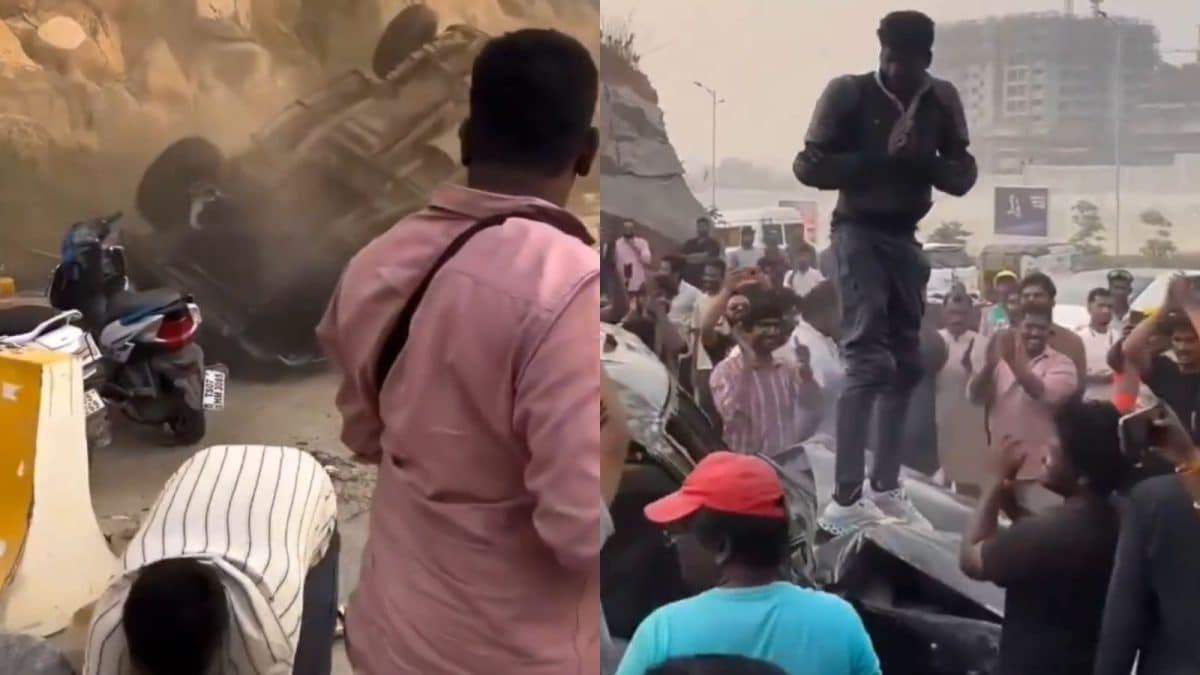
A video doing the rounds on X is grabbing attention, not just for what happens on screen, but for what comes after. In the clip, a car is seen driving over what looks like a heap of bags placed in the middle of a road. The vehicle loses balance, flips over, and the shot cuts. At first glance, it looks like a standard action sequence.
But then the camera keeps rolling.
A group of people, likely the film crew, rush in and flip the car back upright. From inside, the stunt performer steps out, seemingly unhurt. He climbs on top of the car, folds his hands and acknowledges the small crowd that has gathered around.
While the veracity of the video could not be verified, it has been widely viewed and shared for showing the reality behind the slick edited action scenes that we see in movies.
Why the Clip Hit the Internet Like a Storm
Honestly, I first saw the clip while scrolling through my feed during a rainy evening in Chennai. I was expecting another over‑the‑top fight sequence, but the moment the car toppled, I felt that weird mix of thrill and unease. What really made me stop was the part where the camera never cuts – the crew comes in, right the car, and the stunt performer just walks out like it was an ordinary day at the office. It felt very raw, very real, and that authenticity hit home for a lot of people who see movies every weekend.
People started commenting that they had never seen the ‘after‑effects’ of an action shot. In most Indian movies, we get the glitz and the glory, but rarely a glimpse of the gritty backstage. The video gave a sneak peek into that hidden world, and that’s why it went viral – it opened a window that most of us never get to peek through.
The Real Faces Behind the Action
Stunt performers in India work under conditions that are often far from the glamorous image we associate with Bollywood or the South Indian film circuits. I have a friend who works as an assistant on a set in Hyderabad; he says that the stunt crew usually comes in early, rehearses for hours, and then does the high‑risk bits in a matter of minutes. They are the ones who risk their lives, while the actors get the applause and the awards.
When the video showed the stunt performer stepping out and giving a small bow, I thought of the countless times I have seen heroes on screen dive off cliffs or get into burning cars, while the people who actually do these stunts rarely get the credit. In most cases, the audience never knows who the person is – they just see the hero’s face. The clip reminded everyone that there’s a real human behind those daring moves.
Pay Gap – The Unspoken Truth
One of the biggest takeaways from the online reactions was the massive pay disparity. A lot of commenters pointed out that stunt performers often earn a fraction of what lead actors make, even though they face the same, if not more, danger. I remember reading a story about a stuntman in Mumbai who was paid barely enough to cover his daily meals after a day of risky shooting. Compare that to the multi‑crore salaries of the lead actors, and the gap looks massive.
In most cases, the contracts for stunt work are short‑term and lack the security that actors enjoy. Many of these artists do not have health insurance, and if they get injured, the medical expenses fall on them. That’s why the comment “Someone plays with death, someone else eats the cream” resonated with many of us who watch movies but rarely think about the hidden costs.
Calls for Change – What Fans Are Demanding
Netizens didn’t just stop at pointing out the problem; they started suggesting solutions. Some suggested that a portion of a lead actor’s salary – even 25 percent – should be shared with the stunt team. Others argued for stronger unions that could negotiate better wages and safety standards. I’ve seen a few local groups in Karnataka forming collectives to push for these changes, and the buzz online has given them a louder voice.
There’s also a push for official recognition. In many award ceremonies, there’s still no category for Best Stunt Coordination or Best Stunt Performer. People are hoping that the viral video will be a catalyst for introducing such categories, much like the Academy Awards introduced the stunt coordinator award in some regional ceremonies.
Global Perspective – Is This Just an Indian Issue?
Interestingly, some comments compared the situation with Hollywood. While it’s true that Hollywood has a bit more structure with stunt unions like SAG‑A‑F, the pay gap still exists there too. In most cases, the biggest names on screen still earn far more than the people who double for them. The video has sparked a worldwide conversation about how we value the people who do the dangerous work.
In most cases, it’s the star power that sells the film, but the stunts are what make the audience gasp. That paradox is universal. So the Indian audience’s reaction aligns with global concerns about fairness in the entertainment industry.
The Threat of AI and Visual Effects
One worry that kept popping up in the comments was the rise of AI and sophisticated visual effects. Some people are scared that if a computer can simulate a car flip, studios might cut down on hiring real stuntpeople. I remember a recent Bollywood film where a major chase scene was entirely computer‑generated. While the visuals looked great, the stunt crew was barely needed.
In most cases, the fear is that technology could replace the human element, making the job market even tighter for those already struggling. However, many argue that no matter how advanced CGI gets, there’s still a need for real-life physics and authenticity that only a live stunt can bring.
Personal Reflections – Why This Matters to Me
Honestly, watching the clip made me think of the first time I went to a film set in Pune. I was a teenager, eager to see how movies are made. I saw a stunt coordinator directing a team through a mock car chase. The adrenaline in the air was palpable, and I could see the concentration on the faces of the stunt artists. That memory stayed with me, and seeing this video reminded me of that raw energy.
It also made me realize how much we, as a society, love the final product but often ignore the labor that goes into it. In everyday life, we celebrate the actors on red carpets, but we seldom think about the people who risk getting broken bones for a few seconds of glory.
What Can We Do – Small Steps for Big Change
So, what can an average movie‑goer do? First, we can start acknowledging stunt performers by name whenever we can. When a film’s credits roll, look out for the stunt team section – it’s usually there, but many of us miss it. Second, support campaigns that push for better pay and safety regulations. A simple share or a comment on social media can amplify the cause.
In most cases, collective voice matters. When enough people start discussing the issue, producers and directors are forced to listen. The viral clip proved that even a short video can spark a massive conversation – imagine what a sustained effort could achieve.
Conclusion – The Real Heroes Behind the Flash
To sum it up, the viral video of the car overturn and the calm stunt performer stepping out has done more than just entertain. It opened our eyes to the gritty reality of film production, highlighted the stark pay gap, and ignited a call for change. While the industry continues to evolve with technology, the human element – the bravery, skill, and sacrifice of stunt performers – remains irreplaceable.
Hopefully, this conversation leads to better recognition, fairer wages, and stronger safety measures. Until then, next time you watch an action-packed scene, try to glance at the credits and give a silent nod to the real heroes who made it possible.