Bengaluru Man Loses Rs 50,000 Intended for Mother’s Treatment to Stranger at ATM Kiosk
- Diksha Modi
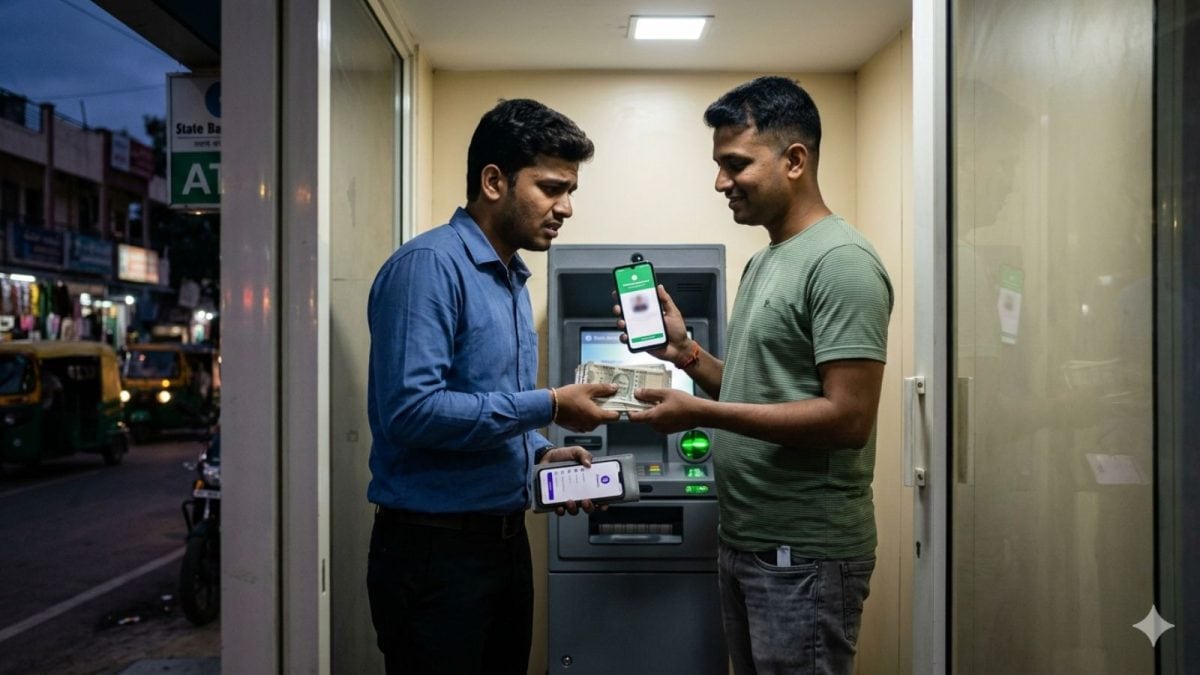
In what police describe as a calculated move, the accused suggested transferring the money via a digital payment platform, claiming the accused’s own debit card was not functioning
A single moment of desperation combined with misplaced confidence led to a severe financial loss for a young professional in Bengaluru. The individual, identified as Shivaprakash, works for a private firm and resides in the Banashankari II Stage neighbourhood. The incident unfolded inside an SBI ATM kiosk located on 9th Main Road, a location frequently visited by commuters in the area.
According to a formal complaint lodged with local law‑enforcement authorities, Shivaprakash received alarming information from the elder brother, Mahendra. Mahendra disclosed that the mother, Bhuma, had been admitted to a hospital in the native village situated in Tiruvannamalai district of Tamil Nadu. The medical situation demanded immediate financial assistance to secure ongoing treatment.
Within a short span, Shivaprakash mobilised a sum of Rs 50,000. The cash was sourced from the wife of Shivaprakash, who withdrew the amount from a chit‑fund arrangement. With the intent of transferring the money directly to the brother’s account, Shivaprakash travelled to the State Bank of India ATM kiosk, aiming to complete the transaction as swiftly as possible.
While Shivaprakash stood inside the kiosk during the early evening hours, a man in his thirties approached and initiated a conversation. The stranger, later identified in the police report as the accused, recognised the agitation evident on Shivaprakash’s face. Upon learning of the urgent requirement to forward funds for Bhuma’s treatment, the accused positioned the interaction as an act of assistance.
Police investigators characterised the approach as a pre‑meditated tactic. The accused claimed that a personal debit card was malfunctioning and consequently offered to facilitate the transfer through a digital payment platform, specifically naming PhonePe as the medium. Trusting the offer in the context of the emergency, Shivaprakash handed the cash to the accused and provided the brother’s PhonePe details, allowing the accused to initiate the electronic transfer on behalf of Shivaprakash.
Within a matter of minutes, the accused announced that the transaction had been successfully completed. The accused displayed a screenshot that purported to prove that the funds had reached the intended recipient. Shortly after presenting this apparent evidence, the accused departed the kiosk, offering a mobile phone number for further contact.
When Shivaprakash later reached out to Mahendra, it became apparent that no money had been credited to the brother’s PhonePe account. An immediate attempt to reconnect with the accused proved futile; the provided phone number initially failed to answer, and subsequent contact was met with intimidation. The accused allegedly warned Shivaprakash against pursuing any further inquiry, suggesting that continued efforts could result in adverse consequences.
Law‑enforcement officials have indicated that the screenshot presented by the accused was likely fabricated using advanced technology, potentially involving artificial‑intelligence‑driven image generation. This fabricated visual aid served to persuade Shivaprakash that the electronic transfer had been executed, thereby securing the cash in the hands of the accused.
Following the submission of the complaint, the Banashankari police station registered a case under several provisions of the Bharatiya Nyaya Sanhita. The charges encompass forgery, cheating, the use of forged electronic records, and criminal intimidation. The investigation team has undertaken a systematic review of CCTV footage captured at the ATM kiosk and surrounding areas. The visual evidence is expected to assist in establishing the identity of the accused and in locating the individual for subsequent legal action.
The investigation also includes a forensic examination of the digital screenshot supplied by the accused. Experts are tasked with determining whether the image was manipulated, and if so, identifying the specific tools employed. This technical scrutiny forms a critical component of the case, given the centrality of the alleged fabricated proof to the overall scheme.
Authorities have warned the public about similar tactics employed by fraudsters at automated banking outlets. The modus operandi typically involves exploiting moments of urgency, presenting a false technical issue, and offering to complete a transaction on behalf of the victim. By obtaining physical cash and then providing fabricated evidence of an electronic transfer, the perpetrators create a convincing illusion of a completed transaction.
Law‑enforcement agencies emphasize the importance of personal vigilance in such environments. Citizens are encouraged to verify the integrity of any digital receipt directly through the official application, to avoid handing over cash to unfamiliar individuals, and to seek assistance only from authorized bank personnel. The use of secure channels, such as directly scanning QR codes generated from a trusted device, is recommended to minimise exposure to deception.