Why a Simple Clip Turned Into a City‑wide Conversation
Honestly, I never imagined a short video could stir so many hearts. When I first saw Tsun Moon’s Instagram reel titled “What is this heat bruh?”, I thought it was just another summer rant. But as soon as the clip started playing, I felt an odd mix of empathy and disbelief. Here was a digital creator, someone I knew from a few tech podcasts, talking about sleepless nights, waking up drenched in sweat, and even resorting to sleeping on the floor because the fan just seemed… useless.
She says, “Bengaluru, what is happening to you? I… I cannot get sleep at night.” Hearing those words made me think of the countless evenings I’d spent on my balcony, sipping chai while the cool breeze whispered through the trees. That’s the Bengaluru I grew up with – a city where the temperature never really got to the point of making you toss and turn. And yet, in the video, the early morning sunlight is described as “piercing my eyes,” so bright that it feels like an alarm clock has been replaced by the sun itself.
This personal slice of life caught my attention because it mirrors what many of us are feeling right now. The comment section exploded with people sharing similar stories – from office workers stuck in non‑air‑conditioned cubicles to students pulling all‑nighters for exams only to be interrupted by relentless heat. That’s why this video quickly became part of the trending news India scene – it wasn’t just a personal gripe, it was a representation of a collective experience.
My Own Nighttime Battle with Bengaluru’s Heat
Let me tell you a small anecdote. A couple of weeks back, I was staying at my parents’ house in Jayanagar. The night was supposedly “cool” according to the forecast, but I found myself tossing like a fish out of water. My fan was on full blast, yet the room felt like a sauna. I ended up pulling the blanket off, laying on the wooden floor, and still woke up drenched. It reminded me of the exact words Tsun Moon used – “Fans are useless these days.” It felt like the heat wasn’t just an outdoor thing; it had seeped into the very walls of our homes.
What’s funny (or maybe not so funny) is that I remembered a time when we used to keep windows open till 2 am, and the night breeze would bring a fresh scent of jasmine from the nearby park. Now, the night air feels stale, heavy, and overbearing. I started to wonder: Is this a one‑off summer, or are we witnessing a shift in Bengaluru’s climate? The uncertainty added a layer of anxiety to my already stressful work schedule, and I found myself scrolling through social media, looking for anyone who felt the same.
That’s when I stumbled upon the viral video. It felt like a mirror held up to my own experience. The phrase “What is this heat bruh” echoed in my mind, and I realized how many of us were using that exact expression in private conversations. It felt like the internet had finally given us a phrase to collectively vent our frustration.
How the Internet Amplified a Local Issue
What happened next is interesting – the video didn’t just sit on Tsun Moon’s profile. Within hours, it started popping up in feeds across Instagram, Twitter, and even WhatsApp forwards. In the world of breaking news, that’s a classic case of a piece of content going viral because it resonated with the masses. People began tagging their own videos, showing how their fans whirred uselessly, how their children complained about “sleeping on the floor,” and how the morning sunlight was abruptly invading their bedrooms.
One comment that really caught my eye read, “Same here, I never thought Bengaluru would feel like this.” It was a simple line, but it summed up the sentiment of thousands. Another user wrote, “Fans are useless these days, feels like we need AC everywhere.” That comment spurred a chain of replies where people started debating whether to invest in air‑conditioners, switch to traditional Indian fans, or just wait for the monsoon to bring relief.
What’s more, the video’s reach extended beyond just Bengaluru. People from other Indian metros like Hyderabad, Pune, and even Delhi started commenting, saying they could relate to the “unbearable nights.” This crossover made the clip part of the larger conversation on climate change impacts across India – a classic example of how a local story can become national “latest news India” fodder.
Personal Reflections on How We’re Coping
In my own circle, I’ve seen a handful of friends switch to cooling mats, invest in portable evaporative coolers, or simply change their bedtime routine. I remember my neighbour, Mr. Rao, who’s been living in the city for over two decades, saying, “I miss the old Bengaluru weather.” He went on to explain how evenings used to be perfect for a walk after dinner, now they’re just too hot to step outside without feeling like you’re walking through a furnace.
There’s also a practical side to this. Many small businesses that rely on fans for ventilation are now seeing more customers complaining about the heat inside their shops. A local eatery in Indiranagar posted a story saying, “We’re adding extra fans and ice‑based coolers to keep you comfortable.” It’s an example of how a social media trend can push businesses to adapt quickly – a sort of micro‑economy response sparked by what started as a personal lament.
And then there’s the humorous side. Some people started sharing memes with captions like, “When your fan is on but the city acts like a sauna.” The memes added a lighter tone to the conversation, making it easier for people to discuss a serious issue without feeling overwhelmed. It shows that even in moments of discomfort, we find ways to laugh, which, surprisingly, also helps us cope.
What This Means for Bengaluru’s Future
When we look at all these responses, it becomes clear that this isn’t just a momentary annoyance. Many are asking if this heat is a sign of a bigger, more lasting change. A few urban planners and environmentalists started sharing articles in the comments, pointing out that Bengaluru’s Green cover has been shrinking, leading to higher temperatures. Some suggested that the city need to re‑plant more trees and promote rooftop gardens to bring back that cool breeze we all miss.
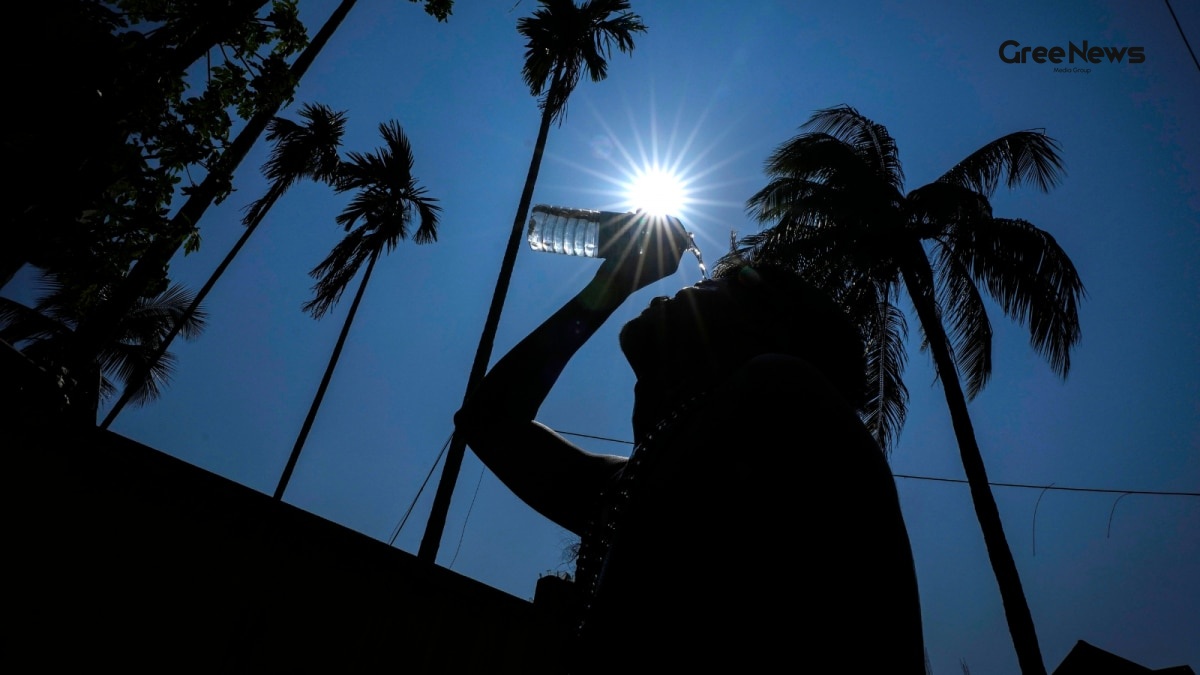
Even the local government’s weather department posted a short video, reminding citizens to stay hydrated and “take necessary precautions during the heatwave.” That official notice, nestled among the sea of personal stories, gave the whole discussion an air of seriousness – it turned a viral moment into a public service alert, aligning perfectly with the kind of breaking news that people search for when they need real‑time updates.
From my perspective, the whole saga illustrates how everyday experiences can quickly turn into a collective narrative. It’s a reminder that while we might feel isolated in our own discomfort, the internet can unite us under a common banner – in this case, the banner was a simple phrase: “What is this heat bruh.” And now, that phrase has become a part of the cultural lexicon for many Bengaluruans.
Connecting the Dots: Climate, Lifestyle, and Social Media
When we tie everything together, we see a pattern: climate change is affecting our day‑to‑day life, and social platforms are the megaphones that amplify personal stories into national trends. The video by Tsun Moon is just one example of how a single voice can echo across the country, turning a local weather complaint into a piece of trending news India users read and discuss daily.
So, next time you’re scrolling through your feed and see a similar post – perhaps a teenager complaining about their AC blowing cold air all night, or a farmer sharing how the heat is affecting crops – think of it as part of a larger, evolving story. It’s not just “viral video” content for entertainment; it’s a pulse check on how we, as a nation, are dealing with the changing climate.
And honestly, I think it’s good we have these platforms. They give ordinary people a chance to be heard and push larger institutions to respond. Whether it’s a friend recommending a cheaper cooling solution or a city official reminding us to stay hydrated, every piece of information adds up. It’s a reminder that staying informed – by following the latest news India and paying attention to breaking stories – can help us adapt better, even when the heat seems unbearable.