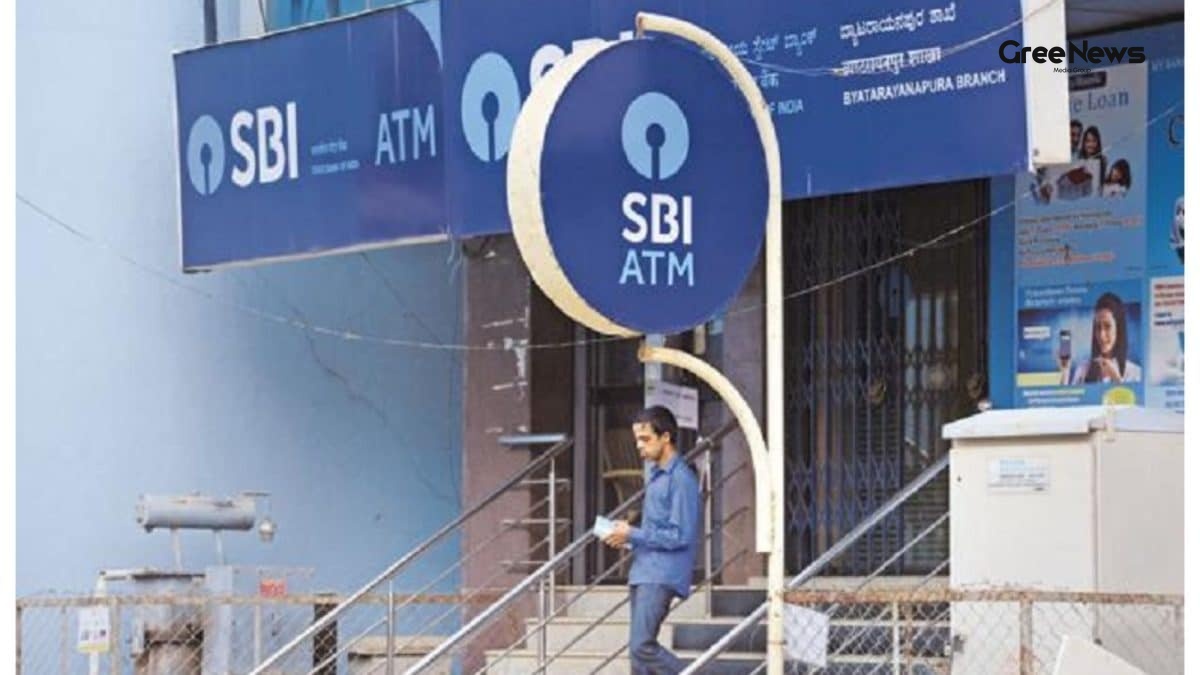
- Business Desk
What the buzz is all about a fake SBI Aadhaar update alert
Picture this: you get a short message on your phone saying, “Your SBI account Aadhaar details need to be updated. Click here: bit.ly/xyz123.” It looks official the logo, the tone, even the phrasing matches the real bank’s style. In most cases, people think it’s just another reminder and go ahead and click. That tiny click can open a portal that looks exactly like the SBI login page, but it's a trap. This kind of story has turned into trending news India pieces and is now part of the viral news loop.
What happened next is interesting many victims only realized something was wrong after they saw a huge amount disappear from their account. It’s a classic case of social engineering: the fraudster pretends to be a trusted entity, you comply, and the damage is done. The best part for them? The scam spreads quickly via WhatsApp groups, SMS blasts, and even some shady email newsletters. So, when you hear this breaking news, remember it’s not just a one‑off incident; it’s a systematic attack targeting millions of bank customers across the nation.
How the fake Aadhaar message works step by step
Let me walk you through the usual flow. First, the fraudsters gather a list of phone numbers often from public sources or leaked databases. Then they craft a message that looks exactly like an official SBI notification. The key ingredients are the bank’s logo, the phrase “Aadhaar update required,” and a short link (usually a bit.ly or tinyurl). When you click the link, you are taken to a site that mirrors the SBI login page. The page asks for your account number, password, OTP, and even your Aadhaar number. Once you type it in, the data is instantly transferred to the scammer’s server.
After grabbing your credentials, the fraudster quickly logs into your actual SBI net banking or mobile app and initiates a fund transfer. In most cases, they move the money to a series of intermediary accounts to make tracing difficult. The whole process can happen within minutes that’s why many users find the money gone before they can even think of contacting the bank.
One aspect that caught people’s attention is the use of urgent language “Your account will be locked if you don’t update within 24 hours.” This creates panic, and many end up complying without double‑checking. It’s a classic psychological trick that works especially well in the hectic everyday life of an Indian household.
Real‑life examples that went viral
Another case involved a college student from Delhi who got an SMS while waiting for his semester fees to be cleared. He was so worried about his bank account getting blocked that he entered his Aadhaar and OTP immediately. The next day, he saw that his entire savings of ₹2 lakh was gone. He reported it, and the bank’s fraud team started an investigation. The incident turned into a breaking news headline across many regional news portals.
These examples highlight a common pattern: people are busy, they trust the bank’s brand, and they act fast. The scammers exploit exactly those moments. That’s why the story kept popping up as viral news it resonated with so many across the country.
What SBI says official guidance
According to the official statements released by SBI, the bank never sends unsolicited messages asking customers to update Aadhaar via a short link. They always advise you to log in through the official website or the official mobile app. The bank also says they never ask for your OTP or password over SMS or email. If you receive such a message, the safest thing to do is to ignore it and report it directly to the bank’s fraud helpline.
In most cases, SBI’s security team urges customers to:
- Never click on unknown short URLs.
- Verify the sender’s number official SBI messages come from a registered SBI number, not random prefixes.
- Report suspicious messages instantly.
These pointers are part of the latest India updates on banking safety, and they’re being shared across news websites, social media channels, and even through community WhatsApp groups as a preventive measure.
Simple steps you can take right now protect your savings
Here’s a quick checklist that you can keep on your phone or even write down on a sticky note near your computer:
- Check the sender’s number. Official SBI alerts come from numbers that start with 1800 or a 070‑series. If it’s a random number, delete it.
- Don’t click short links. If a message says “click here,” open a new browser tab and type the bank’s URL manually.
- Never share OTPs. The bank will never ask for your OTP over phone or SMS. If someone asks, it’s a red flag.
- Use two‑factor authentication. Enable the extra security layer in your SBI internet banking settings.
- Update your mobile number with the bank. This ensures you receive genuine alerts directly from SBI.
Many people were surprised by how easy it is to stay safe if they just follow these basic steps. In most cases, it’s the little habits that make a big difference.
What to do if you think you’ve been scammed
If you have already entered your details on a suspicious site, act fast. Call SBI’s dedicated fraud helpline immediately, freeze your account, and request a new password and OTP. Also, file a complaint with your local police station and the cyber crime cell it’s part of the India updates on cyber security protocols. The bank can sometimes reverse the transaction if it’s caught early enough.
Additionally, monitor your account statements daily for any unauthorised activity. Many victims only realized the scam after weeks, but if you keep a close eye, you might catch the fraudulent moves earlier.
Lastly, spread the word. Share the warning with family, friends, and colleagues. The more people know, the less chance the fraudsters have to succeed. After all, community awareness is the strongest weapon against such scams.
Bottom line stay alert, stay safe
In a world where every other day brings a new piece of breaking news, it’s easy to overlook a tiny message that could jeopardise your hard‑earned money. But remember, scammers thrive on our trust and our haste. By treating every unsolicited bank alert with suspicion, verifying through official channels, and following the simple safety tips shared above, you can protect yourself from falling prey to the fake Aadhaar scam.
Next time you see a message promising a quick Aadhaar update, pause and think is this really from SBI? If you’re even a little unsure, skip the link, call the bank, and keep your savings safe. That’s the essence of staying ahead in today’s trending news India landscape.