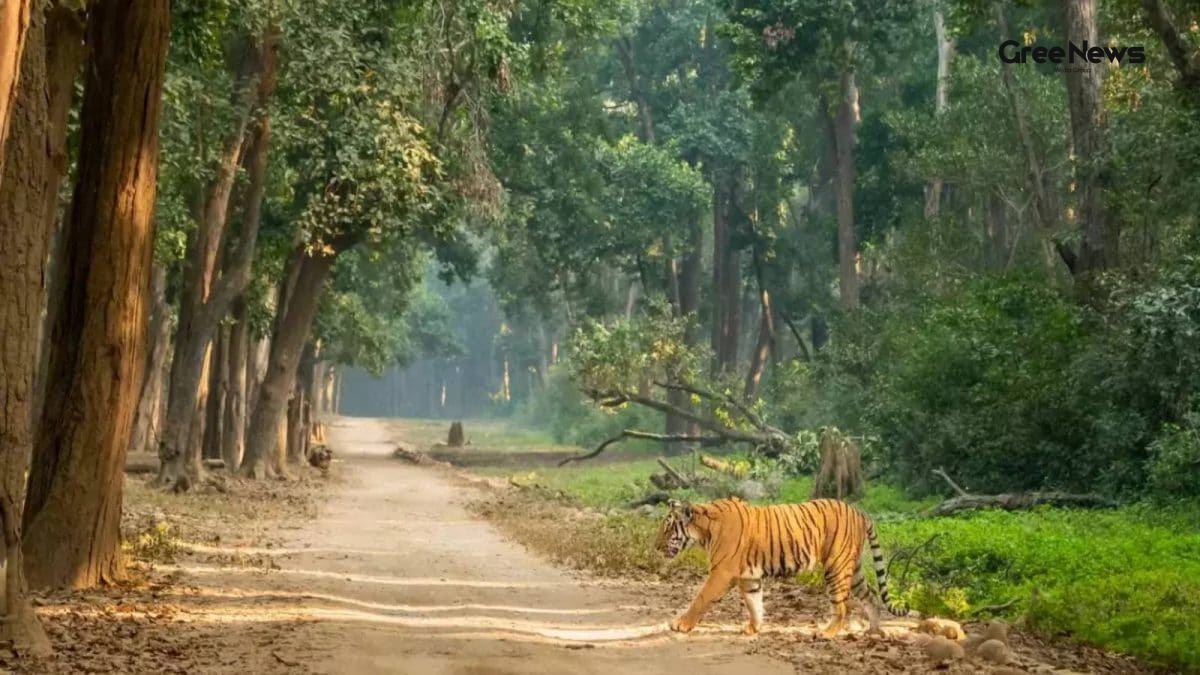
So, the big day finally arrived Prime Minister Narendra Modi cut the ribbon for the Delhi‑Dehradun Expressway. As someone who lives in the NCR and often hits the road to Dehradun for weekend trips, I was pretty excited to hear the breaking news. But what truly caught my attention was the massive 12‑kilometre wildlife flyover that runs right along the expressway. In most cases, you’d expect a highway project to just boast about speed and connectivity; this time, it also bragged about being environmentally friendly, which is a refreshing change.
What exactly is this wildlife corridor?
Imagine a long, sturdy bridge, but instead of cars, it’s meant for leopards, deer, and even small critters to stroll over the highway without any danger. That’s essentially what the 12‑kilometre elevated corridor does. It’s built high enough for vehicles to zip underneath, while the Greenery on top mimics the natural forest floor. The idea, you know, is simple give animals a safe passage, reduce road‑kill, and keep ecosystems connected. Many people were surprised by this because usually highways split forests, making it hard for animals to move around. This corridor, being among the longest in Asia, is like a Green thread stitching together habitats that were previously isolated.
Why it matters for India
India’s wildlife faces a lot of challenges from habitat loss to human‑wildlife conflict. The Delhi‑Dehradun stretch passes through several forested patches that are home to species like the Himalayan black‑bear and the Indian pangolin. By putting a 12‑km safe passage, the government is trying to mitigate one of the biggest threats vehicular collisions. In most cases, this kind of infrastructure can save dozens of animals every year, which is a big win for conservationists. The fact that this corridor is getting so much attention in the trending news India space shows that the public is finally listening to the message that development doesn’t have to mean destroying nature.
My personal experience on the expressway
Last weekend, I took the expressway for the first time after the inauguration. The ride was smooth, and the traffic seemed well‑managed. But what truly stood out for me was the sight of the corridor: a wide strip of trees and shrubs, elevated above the roadway, with small animals scurrying across it. I actually saw a group of langur monkeys hopping from one side to the other something you’d rarely notice on a regular highway. It felt like the road was co‑existing with the forest rather than cutting it apart. That moment made me think, “What happened next is interesting will this become the norm for all new highways?”
How this fits into the larger picture of wildlife corridors in India
While I don’t want to claim this is the first of its kind, the length makes it stand out. Across the country, there have been smaller overpasses and underpasses designed for wildlife, especially in places like the Western Ghats and the Northeast. However, most of those are a few hundred metres long. A 12‑kilometre stretch is a massive leap, and that’s why it’s garnering a lot of viral news attention. The corridor’s design with native vegetation, proper drainage, and minimal human disturbance reflects lessons learned from those earlier projects. In many ways, this expressway’s corridor could set a benchmark for future road‑building projects, turning them into conservation opportunities rather than threats.
Community reactions and the buzz online
After the inauguration, social media exploded with posts using hashtags like #WildlifeCorridor and #EcoExpressway. Many users shared videos of animals using the flyover, while others posted pictures of the lush Greenery on top. The “top videos” section on news portals was filled with clips of deer calmly crossing while cars roared beneath. Some locals even organized short trips to the corridor just to witness the coexistence of infrastructure and wildlife. The fact that people are actively talking about it in the latest news India feeds shows that the corridor has struck a chord in the public psyche. It’s not just another piece of road; it’s become a story that’s being shared across WhatsApp groups, making it a true piece of trending news India.
Potential challenges ahead
Of course, building such a massive structure isn’t without its hurdles. Maintenance of the vegetation, preventing human intrusion, and monitoring wildlife usage are all essential to keep the corridor functional. In most cases, these overpasses require regular checks, especially during monsoon season when the risk of landslides or erosion is high. Moreover, there’s the question of whether animals will actually prefer the corridor over other routes. Early observations are promising, but long‑term studies will be needed. Still, the fact that the government has taken this initiative reflects a willingness to tackle these challenges head‑on, which is a positive sign for future projects.
What could this mean for future highways?
If this corridor proves successful, it could inspire a wave of similar structures across the nation. Imagine a network of elevated Green bridges connecting fragmented forests from the Himalayas down to the Deccan plateau. That would be a game‑changer for biodiversity, especially for species that need large territories. The current project is already being hailed as a model in many policy circles, and the buzz around it in the India updates corner of the internet suggests that other states might start planning their own wildlife corridors. Many people were surprised by the scale of this particular project, and that surprise could turn into eagerness to replicate the model elsewhere.
Why the expressway itself matters
The Delhi‑Dehradun Expressway isn’t just about the wildlife corridor; it’s also set to cut travel time dramatically between the two cities. For daily commuters, this could mean less time stuck in traffic and more time for family or work. The expressway is expected to boost trade, tourism, and economic activity in the region. By integrating a wildlife corridor, the project shows that we can have faster roads without compromising on nature. This kind of balanced development is exactly the kind of story that makes it into the breaking news section and stays relevant for months.
Final thoughts a step in the right direction
All in all, the Delhi‑Dehradun Expressway’s 12‑kilometre wildlife flyover is more than just an engineering marvel; it’s a statement. It tells the nation that we can modernise our infrastructure while still caring for the animals that share our land. As someone who travels this route often, I felt a sense of pride seeing the Green bridge arching above the highway, a reminder that development and conservation can walk hand in hand. It’s definitely a piece of news that I’ll keep an eye on, especially to see how wildlife adapts over time. If this project continues to succeed, it could spark a whole new era of eco‑friendly road building a story that will keep popping up in the trending news India feeds for a long time.