Why I am watching the BJP’s West Bengal manifesto launch like a cricket fan waiting for the toss
So, yesterday evening I was sitting on my balcony, sipping chai, when I saw the news about the BJP planning to unveil its West Bengal poll manifesto today. It reminded me of those moments when a new movie trailer drops – everyone‑including my neighbour who never watches politics – starts talking about it. The buzz is that the BJP is going to push a theme called “bhoy vs bharosa”, which literally means fear versus trust. It sounds like a tagline from a Hindi drama, but the party is really trying to say that they want to replace a sense of insecurity with confidence in governance.
What struck me most is how the party is framing the whole thing around three big promises: tighter security, more jobs for the youth, and welfare measures especially for women. On top of that, they are shouting about the 7th Pay Commission – something that matters a lot to government employees who have been waiting for a pay hike for ages. I could almost feel the excitement in the air, just like when my cousin gets a new job and we all celebrate for a week.
Security – the big banner
Security is probably the strongest colour on the BJP’s political palette right now. In most villages I’ve visited, you still hear stories about illegal infiltration across the borders, and there’s been a lot of talk about law‑and‑order issues in the state. The manifesto, from what insiders are saying, will push for a beefed‑up border management system and tighter internal security. The idea is to show that the BJP can bring stability, something we all crave after watching the news of frequent protests and strikes.
When I chatted with a friend in Siliguri, he said, “If the government can make us feel safe while we walk home after a late night shift, that would be enough for many of us.” And that’s exactly the kind of simple, everyday reassurance the party is trying to sell. They are also talking about collaborating with central agencies – a phrase that seems to promise a more coordinated approach, rather than the fragmented efforts we often see.
Honestly, the security promise feels like a familiar script – one we have seen in many states – but the way the BJP is linking it with the idea of “trust” makes it sound fresh. It’s as if they are saying, “We will not just patrol the borders; we will bring peace to your daily lives.”
Jobs – the hope of a generation
Now, about jobs – that’s the second big piece of the puzzle. Unemployment among youngsters in West Bengal has been a hot topic for years. In my own city of Kolkata, you see young professionals scrolling through job portals late into the night, hoping for a decent opening. The BJP’s manifesto is reportedly going to push for special employment schemes, skill development centres and incentives for startups.
One of the ideas floating around is to attract fresh investments for industrial projects that have been stuck for years. Imagine a new textile mill opening in the outskirts of Hooghly, creating thousands of jobs for local families. That’s the kind of picture the manifesto wants to paint. It’s not just about big factories; it’s also about creating small‑scale opportunities that can absorb the local workforce.
What I find interesting is the party’s focus on youth‑centric programs: apprenticeship drives, partnership with private sector for vocational training, and a push for digital entrepreneurship. It’s like they are trying to say, “We understand that you want not just a job, but a future that you can shape yourself.”
Welfare – especially for women
Welfare schemes have always been a big draw for the electorate, especially in states where government handouts can make a huge difference in daily life. The BJP appears to be doubling down on welfare for women – something that caught my eye because I personally know a bunch of housewives in Howrah who rely on pension schemes and subsidised services.
The manifesto is said to include expanded schemes for maternal health, financial assistance for girls’ education, and easier access to credit for women entrepreneurs. In a country where women still face many hurdles, these promises can feel like a breath of fresh air. My aunt, who runs a small tailoring business, often tells me how difficult it is to get a bank loan. A targeted credit line could literally change her business trajectory.
Besides financial aspects, there is talk of better safety measures for women in public spaces, something that resonates deeply after hearing about harassment cases in metros and markets. It’s a reminder that welfare isn’t just about money – it’s also about dignity and safety.
7th Pay Commission – the much‑awaited salary boost
Then comes the promise of implementing the 7th Pay Commission for government employees. This is a major point because the 6th Pay Commission was implemented a long time ago, and many state employees feel left behind. The BJP’s commitment to roll out the 7th Pay Commission is essentially a promise of a sizeable salary hike, which could improve morale among civil servants.
When I visited a district office in Darjeeling, I met a clerk who mentioned that his salary has barely increased despite inflation. He said, “If the new pay scale comes, it will help us manage our families better.” That’s the reality behind the numbers – a decent pay rise can mean better schooling for kids, improved healthcare access, and a more comfortable lifestyle for government families.
In many ways, this promise connects with the larger narrative of governance and development that the BJP is trying to present. It’s like saying, “We will look after those who serve the public.”
Amit Shah’s roadshow – a personal glimpse
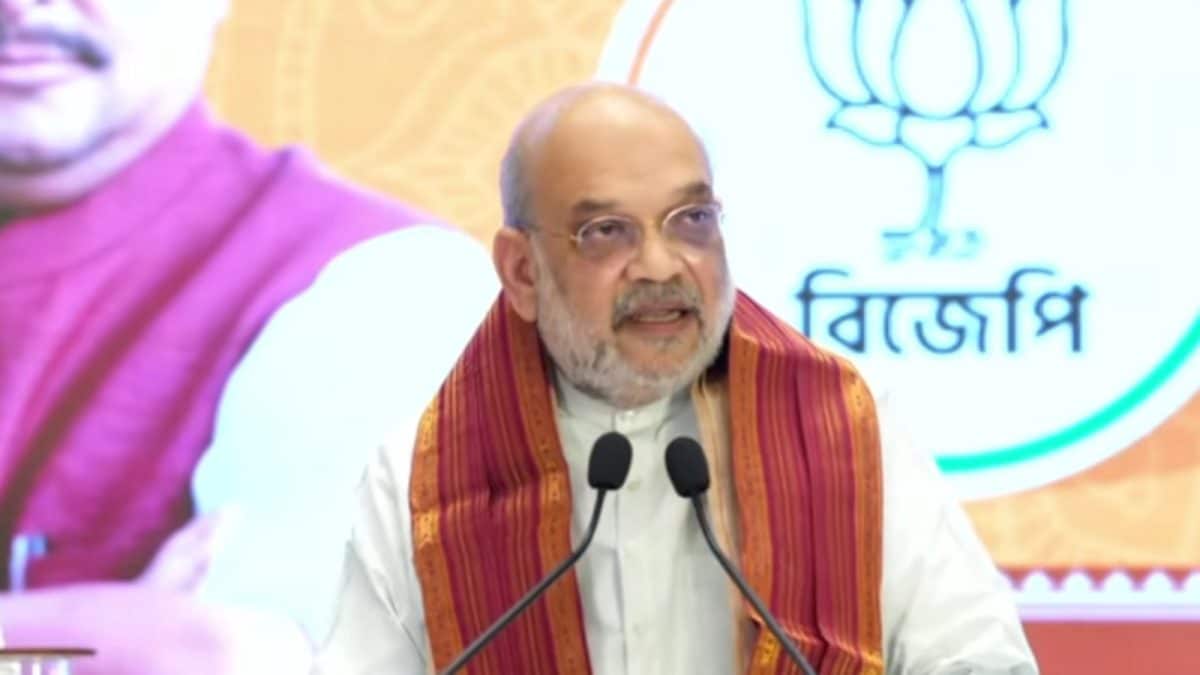
Union Home Minister Amit Shah has been quite vocal about the manifesto launch. He announced that he would unveil the document in Kolkata later today, calling the state “a poll‑bond state that seeks change”. I was watching the live telecast when he described his schedule – a rally in Debra, a public meeting in West Medinipur and a road‑show in Kharagpur.
He also tweeted in both Hindi and English, saying, “Bengal, weary of TMC, now seeks change. Today in Kolkata, I will release BJP’s ‘Sankalp Patra’ on the basis of freeing Bengal from TMC’s ‘reign of terror’.” The tweet felt like a political commercial, trying to appeal to the emotional fatigue among voters.
What made me chuckle was how Amit Shah mixed Hindi and English in his statement – a classic example of the kind of bilingual discourse we hear in Indian politics. It’s something you hear on the streets too; anyone who’s ever listened to a political speech knows that mixing languages helps reach a broader audience.
High‑stakes battle – the bigger picture
The upcoming West Bengal Assembly election is shaping up to be a really close contest between the BJP and the All India Trinamool Congress (TMC). Over the past decade, TMC, led by Chief Minister Mamata Banerjee, has held on to power through successive Assembly wins, relying heavily on welfare schemes and a strong regional identity. The BJP, on the other hand, has been expanding its base, especially after making big gains in the 2019 Lok Sabha elections and subsequent state polls.
Both parties are sharpening their narratives: TMC is focusing on welfare, cultural pride and local development, while the BJP is emphasizing security, job creation, and governance reforms. It’s like a tug‑of‑war between two very different visions for West Bengal’s future. The stakes are high because the state’s political direction can influence national politics as well.
Voting for the West Bengal Assembly elections will be held in two phases, with counting scheduled shortly after. The outcome will decide whether the BJP’s promises on security, jobs, welfare and the 7th Pay Commission can translate into actual votes.
What the voters are thinking – my own observation
Walking through a Saturday market in Chandannagar, I overheard a group of middle‑aged women discussing the upcoming election. One of them said, “If the BJP can really bring jobs and safety, we will think about it.” Another added, “But we also need schools and healthcare.” Their conversation reminded me that while promises sound attractive, voters always weigh them against daily needs.
In my own family, my younger brother is graduating soon and is worried about a job. The idea of new employment schemes caught his attention instantly. My mother, on the other hand, is more concerned about welfare for senior citizens. This little household debate mirrors the larger public discourse – everyone is looking for a mix of security, prosperity and support.
So, as the manifesto is rolled out, the real test will be how well the party can connect these high‑level promises to the everyday realities of people living in Kolkata’s crowded lanes, the tea gardens of Darjeeling, and the agricultural fields of Burdwan.
Conclusion – waiting for the manifesto to drop
All in all, the BJP’s West Bengal manifesto promises to be a blend of security, employment, welfare and salary reforms, wrapped in the “bhoy vs bharosa” narrative. Amit Shah’s road‑show across Debra, West Medinipur and Kharagpur adds a theatrical flair, aiming to convince the masses that a change is not just needed but imminent.
Whether the promises will stand up to the scrutiny of the voters remains to be seen. As someone who has watched the political drama unfold over the years – from the 2014 surge of the BJP to the stronghold of TMC – I can tell you that every election brings a fresh set of hopes and doubts. The real story will be told when the ballot boxes are opened and the people of West Bengal decide which vision of the future they want to back.