Cannes 2026 unveils 21 Palme d’Or contenders with strong Spanish and Japanese entries, fewer Hollywood studios, and stresses political neutrality despite past controversies
Honestly, when I first read that Cannes is about to roll out the red carpet again, I felt a familiar flutter – the kind you get when a fresh batch of chai arrives after a long night of studying. But this year the vibe feels a tad different, almost like the festival decided to swap some of its usual glitzy suspects for fresh, unexpected guests.
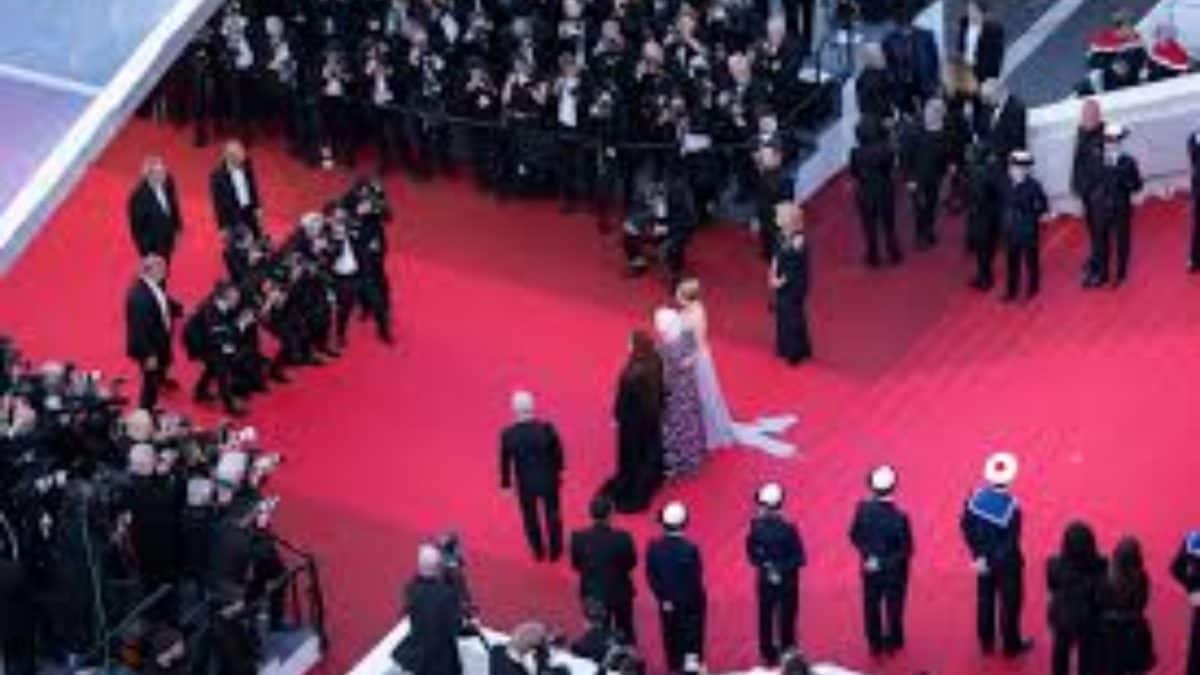
The organisers of Cannes Film Festival have officially announced the selection for its 2026 edition, scheduled from 12 May to 23 May. A total of 21 films will vie for the coveted Palme d’Or, mixing veteran auteurs with emerging voices from all corners of the globe.
Strong shows from Spain and Japan shape the competition
Thierry Fremaux, the festival director, stood on the stage and highlighted that this year the line‑up showcases a striking representation from Spain and Japan. When Thierry Fremaux mentioned Japan, I immediately thought of the quiet charm of Kyoto’s streets, much like the subtle storytelling of Hirokazu Kore‑eda’s "Sheep in the Box". Hirokazu Kore‑eda is known for his gentle, human‑centred narratives, and this new film promises to add another delicate layer to his impressive body of work.
From Romania, Cristian Mungiu arrives with "Fjord", while Russian filmmaker Andrey Zvyagintsev brings "Minotaur" – a story that weaves together themes of wealth and compulsory military service. It feels a bit like watching a Bollywood drama where family obligations clash with personal ambitions, only here it’s set against a stark, European backdrop.
Spanish maestro Pedro Almodóvar returns, and Iranian storyteller Asghar Farhadi joins the fray
Pedro Almodóvar, the legendary Spanish auteur, will be in competition for the seventh time with "Amarga Navidad" (Bitter Christmas). I can almost picture the colourful, emotionally charged world Almodóvar creates, reminiscent of the festive chaos on Indian streets during Diwali, but with a distinct Spanish flavour.
On the other side of the world, Iranian Oscar‑winning filmmaker Asghar Farhadi presents "Histoires Paralleles" (Parallel Tales). Farhadi’s knack for intertwining personal conflicts with larger social issues reminds me of the intricate plots we often see in classic Indian cinema, where multiple storylines converge at a poignant climax.
What the lineup says about tone and theme
When Thierry Fremaux talked about the overall feel of the selection, he noted a tilt toward emotional depth and reflection. He said many Western entries act like a soothing escape from the turmoil that dominates the headlines – they focus on “gentleness, songs, nature”. It’s as if the filmmakers are offering us a mental vacation, much like a weekend getaway to Goa after a grueling work week.
On the flip side, some films are trying to bring history into the present, creating a bridge between past events and today’s realities. Introducing the French film "Quelques Mots d’Amour" (A Few Love Words) by Rudi Rosenberg, Thierry Fremaux added, “You see? We all need some love and gentleness.” That line struck me as something my mother would say while handing me a plate of warm samosas – simple, heartfelt, and perfectly timed.
Global cinema’s resilience amid a streaming surge
In numbers, about 2,500 films were submitted for consideration – a clear sign that filmmakers worldwide still cherish the festival platform, even as streaming giants like Netflix and Amazon dominate home screens. Thierry Fremaux interpreted this as a testament to the industry’s resilience, noting that cinema still has a special place in our collective imagination, much like the beloved tradition of watching a family movie together on a rainy Sunday.
This massive pool of entries also underlines how diverse voices are emerging from places you might not expect – from small towns in Assam to bustling studios in Seoul – all hoping to catch the eye of Cannes’ discerning jury.
Hollywood’s quieter footprint this year
One of the most noticeable changes is the reduced presence of big‑budget Hollywood studios. While American actors and filmmakers will still attend, the grand studio‑backed premieres that have become a staple in recent editions are now fewer. Thierry Fremaux remarked, “The United States will be represented. The (Hollywood) studios a bit less,” referencing past blockbusters like "Top Gun: Maverick" and the "Mission: Impossible" franchise.
Nevertheless, some Hollywood names aren’t entirely missing. Woody Harrelson and Kristen Stewart will star in "Full Phil", directed by Quentin Dupieux. Veteran star John Travolta is set to present his directorial debut "Propeller One‑Way Night Coach", while music and film legend Barbra Streisand will receive an Honorary Palme d’Or. New Zealand’s Peter Jackson is also expected to make an appearance, and American director Steven Soderbergh will showcase his documentary on John Lennon titled "The Last Interview".
Football documentaries add a quirky twist
Outside the main competition, Cannes will also feature a surprising theme – football. Documentaries focusing on iconic figures like Eric Cantona and the legendary 1986 World Cup clash featuring Diego Maradona will be screened. As a cricket fan, I found this a delightful surprise; it reminds me of how the Indian Premier League brings a festival‑like atmosphere to the sport, mixing passion with storytelling.
Politics, cinema, and the festival’s stance
Debates about politics and cinema have always been part of Cannes’ DNA. Last year’s edition sparked intense discussion over global conflicts, with outspoken reactions from personalities such as Ralph Fiennes and Richard Gere. When asked about the festival’s role, Thierry Fremaux replied, “People often say that Cannes is political when the films are political, when the filmmakers are political,” adding that art is “very often political”. Yet he insisted that Cannes itself “does not take political positions”.
This stance feels a bit like the Indian Board of Film Certification’s delicate balancing act – trying to respect artistic freedom while staying clear of overt political endorsement.
The jury and the legacy of last year’s winner
The competition jury for this edition will be led by South Korean filmmaker Park Chan‑wook. His reputation for bold, visually striking storytelling promises an interesting perspective when evaluating the diverse slate.
For reference, the previous edition awarded the Palme d’Or to Iranian director Jafar Panahi for his film "It Was Just an Accident". That win reinforced how Cannes continues to honour bold voices, even from regions facing severe censorship.
Final thoughts – a festival in transition
All in all, Cannes 2026 feels like a gentle shift – a move toward more nuanced, emotionally resonant cinema, a slight pull‑back of Hollywood’s glitter, and a reaffirmed commitment to staying politically neutral while still celebrating films that speak truth to power. As someone who grew up watching both Bollywood blockbusters and indie gems on DVD, I find this balance both comforting and exciting. It’s as if Cannes is offering us a new kind of masala – one that mixes tradition with a dash of modern sensibility, all served on a platter of global storytelling.
So, whether you’re planning to watch the festival from a cosy corner of your living room, or you’re actually boarding a flight to the French Riviera, expect a line‑up that will make you laugh, cry, and maybe even rethink a few things – just like a good Indian film does.