Senior Congress leaders acknowledge internal rift after Davanagere South bypoll
It feels like a handful of days after the voting in Davanagere South, and the atmosphere inside the Karnataka Congress is anything but calm. A few senior faces have stepped forward, speaking openly about the bruises the party is nursing. The most striking development is the resignation of KPCC Minority Department Chairman Abdul Jabbar, a move he says was forced upon him by recent political currents in the state.
When KPCC Minority Department Chairman Abdul Jabbar drafted his resignation letter, he sent it straight to KPCC President and Deputy Chief Minister DK Shivakumar. In that letter, KPCC Minority Department Chairman Abdul Jabbar wrote about a “heavy sense of sadness” and explained that the recent by‑election had put him in a position where he felt he could no longer stay on the post. KPCC Minority Department Chairman Abdul Jabbar said his decision was not taken lightly, but the series of events that followed the candidate announcement left him no other choice.
KPCC Minority Department Chairman Abdul Jabbar pointed out that during the campaign, several key moments had left minority leaders and workers disheartened. One of the main grievances KPCC Minority Department Chairman Abdul Jabbar raised was that the party’s top brass seemed to make strategic choices without consulting the Minority Department at all. According to KPCC Minority Department Chairman Abdul Jabbar, “There is no direct attempt from party leaders to approach or take inputs from the Minority Department and its leaders during the Davanagere by‑election.” This line from KPCC Minority Department Chairman Abdul Jabbar’s letter underlines the feeling of being sidelined.
Adding to the tension, the high command has reportedly received “negative reports” concerning the role of KPCC Minority Department Chairman Abdul Jabbar and Minister Zameer Ahmed Khan during the campaign. The reports suggest that some of their supporters may have acted contrary to the party line in Davanagere South. While no concrete proof has been publicly released, the whispers have certainly added a layer of complexity to the ongoing drama.
Rizwan Arshad and Salim Ahmed speak out on internal disaGreements
Just a day before KPCC Minority Department Chairman Abdul Jabbar’s resignation became public, a couple of other senior Congress figures, namely MLA Rizwan Arshad and MLC Salim Ahmed, had already opened up about the internal strife. In a candid interview with reporters, MLC Salim Ahmed alleged that a “conspiracy” was hatched by some senior leaders to defeat Congress in the bypoll. MLC Salim Ahmed’s words reflected a sense of betrayal: “Some senior leaders within the party hatched a conspiracy to defeat Congress. Despite this, minority voters largely supported the Congress candidate.” He brushed aside any doubt that the minority community’s support was a factor in the final outcome.
MLA Rizwan Arshad, on his part, admitted that the demand for a minority candidate had created a lot of friction inside the party ranks. “We had strongly pushed for a minority candidate, but we should have suggested multiple names instead of insisting on one. That created confusion and difficulties,” MLA Rizwan Arshad said. This admission hints that the decision‑making process may have been more rushed than usual, with a single name being pushed rather than a broader discussion of suitable candidates.
Both MLA Rizwan Arshad and MLC Salim Ahmed’s statements illustrate how personal ambitions and strategic missteps blended together, leading to a more fractured environment. Their openness is unusual in Indian politics where internal disputes are often kept behind closed doors, so their candid remarks painted a vivid picture of the party’s troubles after the bypoll.
DK Shivakumar’s response: waiting for reports before commenting
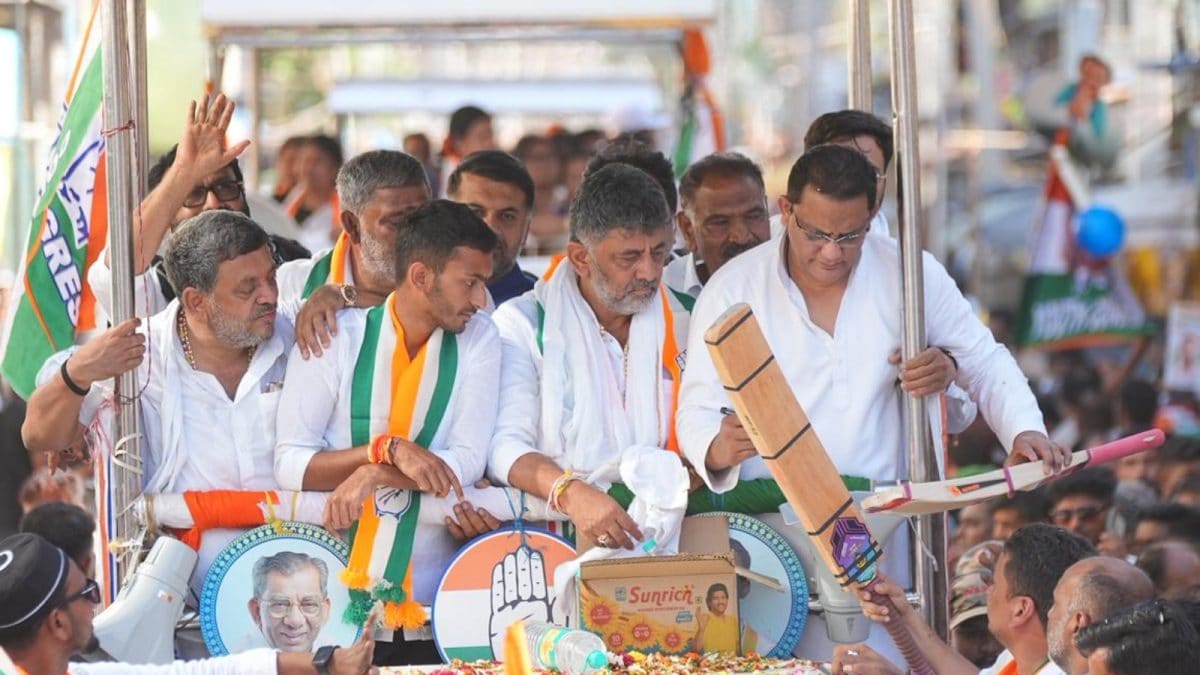
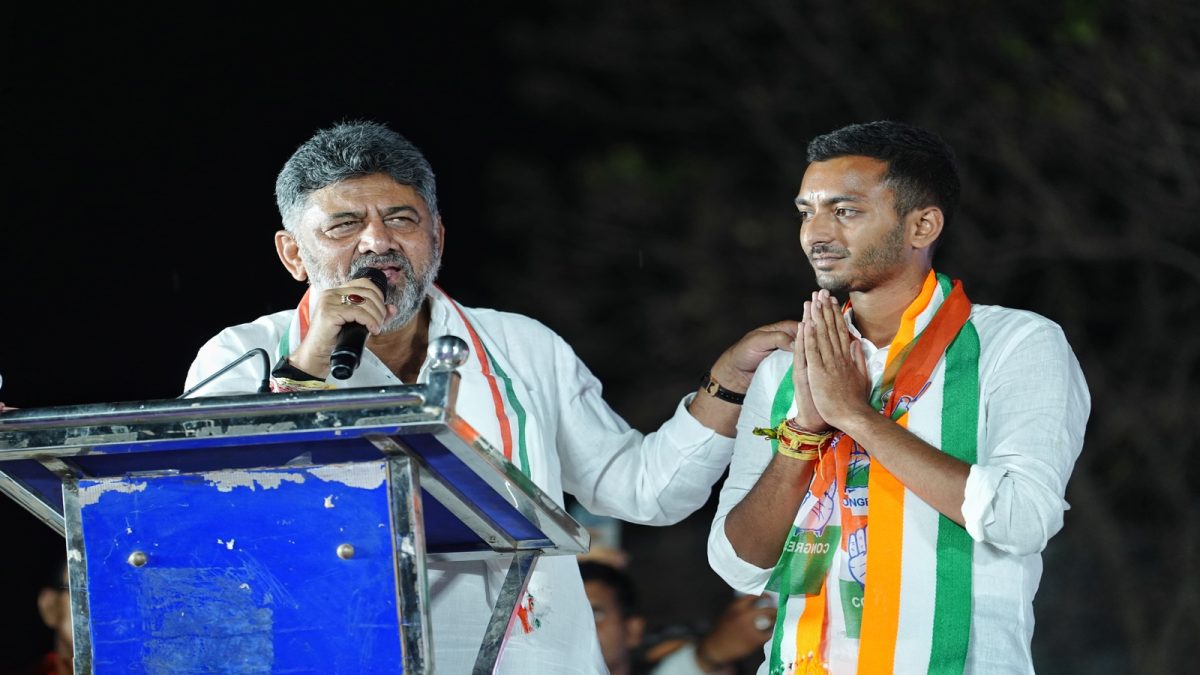
When the news of the resignations and allegations started making rounds, KPCC President and Deputy Chief Minister DK Shivakumar stepped forward to address the media. DK Shivakumar said that he had received some reports about the situation and would verify them before making any definitive statements. “I have received some reports, and I have been told that the Minority President has submitted his resignation. I will verify it and collect reports from local leaders before making any further statement,” DK Shivakumar said.
DK Shivakumar’s cautious approach appears to be aimed at preventing an escalation of the already‑tense atmosphere. By waiting for concrete information, DK Shivakumar is trying to maintain a balance between acknowledging the concerns raised and keeping the party united for the upcoming challenges.
In most cases, when a senior leader resigns abruptly, the party’s central leadership may either rush to damage‑control or let the dust settle. DK Shivakumar, however, appears to have chosen the latter route, signalling that the party wants to fully understand the situation before taking any visible step.
Background: the candidate selection controversy after Shamanur Shivashankarappa’s demise
The root of the current discord can be traced back to the selection of a candidate for the Davanagere South seat after the unfortunate demise of veteran Congress leader Shamanur Shivashankarappa. The death of Shamanur Shivashankarappa left a vacuum that many senior party members hoped to fill with a candidate who could both respect the legacy and attract the minority vote bank.
Several minority leaders had allegedly backed KPCC Minority Department Chairman Abdul Jabbar’s name for consideration. However, feedback from grassroots workers, along with consultations that reportedly favoured another personality, led to the final decision to field a different candidate. This decision upset many who believed that KPCC Minority Department Chairman Abdul Jabbar should have been given the ticket, particularly because his name resonated well with the minority community in the region.
The fact that KPCC Minority Department Chairman Abdul Jabbar’s name was not chosen despite the backing from a portion of the minority bloc added fuel to the fire. Many felt that the party had ignored a strategic advantage. This feeling of being sidelined, combined with the whispers about internal sabotage, made the situation volatile.
Political observers have noted that the resignation of KPCC Minority Department Chairman Abdul Jabbar and the allegations made by MLA Rizwan Arshad, MLC Salim Ahmed, and others are more than just a one‑off episode. They reflect simmering factional tensions that have been bubbling under the surface for some time. The Davanagere South bypoll acted as a catalyst, bringing those hidden fissures to the surface.
What this means for the Karnataka Congress moving forward
Looking ahead, the Karnataka Congress faces a critical juncture. The party’s ability to stem the internal bleeding will depend on how effectively KPCC President and Deputy Chief Minister DK Shivakumar can navigate the narratives put forward by KPCC Minority Department Chairman Abdul Jabbar’s resignation, MLA Rizwan Arshad’s remarks, and MLC Salim Ahmed’s accusations.
In most cases, a party dealing with internal dissent needs to either rebalance the power equations or conduct a transparent internal inquiry. If KPCC President and Deputy Chief Minister DK Shivakumar decides to launch a formal inquiry, it could help calm nerves among the minority wings. On the other hand, ignoring the concerns may push more leaders to either quit or voice their displeasure publicly, which could damage the party’s image ahead of the next state assembly elections.
For the everyday party worker in a small town in Karnataka, these high‑level disputes translate into uncertainty about who will represent them, how resources will be allocated, and whether their concerns will be heard. Many have expressed that they feel the party’s focus should shift back to ground‑level work, rather than internal politicking.
One practical observation from a friend who is a party worker in Mysore is that the morale in local units has dipped noticeably after the bypoll. He mentioned that meetings are now shorter, and the usual chatter about upcoming campaigns has been replaced by quiet, almost anxious conversations about the future of the minority department.
Ultimately, the Karnataka Congress’s response to this crisis will be a litmus test for its organisational resilience. If KPCC President and Deputy Chief Minister DK Shivakumar can negotiate a settlement that respects the contributions of KPCC Minority Department Chairman Abdul Jabbar, MLA Rizwan Arshad, and MLC Salim Ahmed while also maintaining a united front, the party may emerge stronger. If not, the factionalism could deepen, making it harder for the Congress to present a cohesive narrative to voters.