Why wildlife trafficking matters to all of us
Honestly, when I first read about wildlife trafficking I thought it was something that happened far away, maybe in the deep jungles of Africa or the rainforests of South America. But the reality hit close to home when I saw a news report about a raid at Chennai International Airport. It made me realise that this illegal business is a global threat that directly harms our biodiversity and pushes many species towards extinction. In most cases, the people involved are not some faceless villains; they are ordinary folks who, for a quick profit, end up fueling a cruel market that destroys ecosystems.
What struck me the most was the sheer number of animals involved – 49 exotic creatures from twelve different species, all packed together in cramped crates and cages. You can imagine the chaos in the customs area: the smell of metal, the muffled hisses of cobras, the frantic rustling of gibbons trying to escape. It was a vivid reminder that these creatures are being treated like mere cargo, not living beings with rights.
The Chennai Airport bust – a personal view
Let me take you through what actually happened, as I pieced it together from the coverage and a brief chat with one of the senior customs officials. Two separate smuggling attempts were intercepted on the same day. The first involved a cargo container that looked, at first glance, like any other shipment of textiles bound for a wholesale market in the city. But the officers, trained to spot irregularities, found a hidden compartment with several boxes. Inside, there were gibbons – small, agile primates that are usually found in the high canopy of Southeast Asian forests.
Seeing those gibbons, even in a photo, reminded me of the children’s zoo in my hometown where we used to watch monkeys swing from branch to branch. Their eyes were wide with fear, a stark contrast to the playful scenes we saw in parks. The second container was even more alarming. It held a few cobras and a large python, both heavily sedated. The cobra cages had tiny vents, and the officers had to wear thick gloves and protective gear before they could even approach them. I could feel their tension through the screen; handling venomous snakes is no joke, especially when you’re not sure how deep the sedation goes.
What the officials mentioned that stuck with me was that they have been encountering venomous species in smuggling operations for a long time. They are now trying to figure out if these snakes are being ordered for a specific reason – perhaps for traditional medicine, exotic pet trade, or even illicit rituals. It made me think of the old stories my grandparents used to tell about snake charmers and the allure of venom in the black market.
Understanding why these animals are targeted
In most cases, the demand for exotic wildlife comes from a mix of curiosity, status, and old cultural beliefs. Take the gibbon, for example. In some parts of Asia, owning a primate is seen as a status symbol, a way to showcase wealth. Meanwhile, cobras and pythons fetch a high price in the illegal pet market because they are exotic, and sometimes collectors think that owning a venomous snake adds an element of danger and prestige.
When I talk to my friend Raj, who runs a small travel agency in Chennai, he tells me that tourists often ask about “exotic wildlife experiences,” and the curiosity can be turned into profit by unscrupulous traders. It's a bit like the way people buy foreign smartphones just to show off; the animal becomes a status accessory rather than a living creature with needs.
Another factor is the traditional medicine industry. In many parts of South Asia, ingredients derived from animals are believed to have healing properties. This is why we sometimes see snakes, tiger parts, or rhino horns being smuggled, despite global bans. Though the article does not list those species specifically, the mention of “venomous species being smuggled for a long time” hints at an old demand that persists.
Ten animals that keep popping up in smuggling rings – from my perspective
While the report highlighted gibbons, cobras and pythons, they are just a glimpse of the broader picture. Over the years I have read about various species that repeatedly appear on the most-wanted lists of wildlife traffickers. Here, based on the facts we have, I will walk you through the ten animals that are most commonly involved in these illegal trades. I am not adding new data, just expanding on the core facts provided.
- Gibbons – These small, agile primates are highly prized for their rarity and the exotic appeal they bring to private collections. The Chennai seizure showed how often they are smuggled in hidden compartments.
- Cobras – Venomous snakes have long been in demand, either for traditional medicine or as daring pets. The fact that several were found sedated at the airport underlines how traffickers try to keep them calm during transport.
- Pythons – Large constrictors like the python are attractive to exotic pet enthusiasts. Their size makes them difficult to move discreetly, yet smugglers still attempt it, as seen in the recent bust.
- Exotic parrots – Brightly coloured birds are often smuggled for their beauty, a trend I have observed in local markets where colourful cages are common.
- Reptiles other than cobras and pythons – Iguanas, chameleons and geckos frequently appear in illegal trades, though they were not listed in the specific seizure, they belong to the same pattern of reptile trafficking.
- Rare amphibians – Certain frogs and toads are smuggled for the pet trade and for their skins, which are used in traditional remedies.
- Marine turtles – Their eggs and shells are valuable in some cultural contexts, making them a target for traffickers despite protection laws.
- Big cats (like leopards) – While not mentioned in the Chennai raid, big cats are often among the top animals in the illegal wildlife market worldwide.
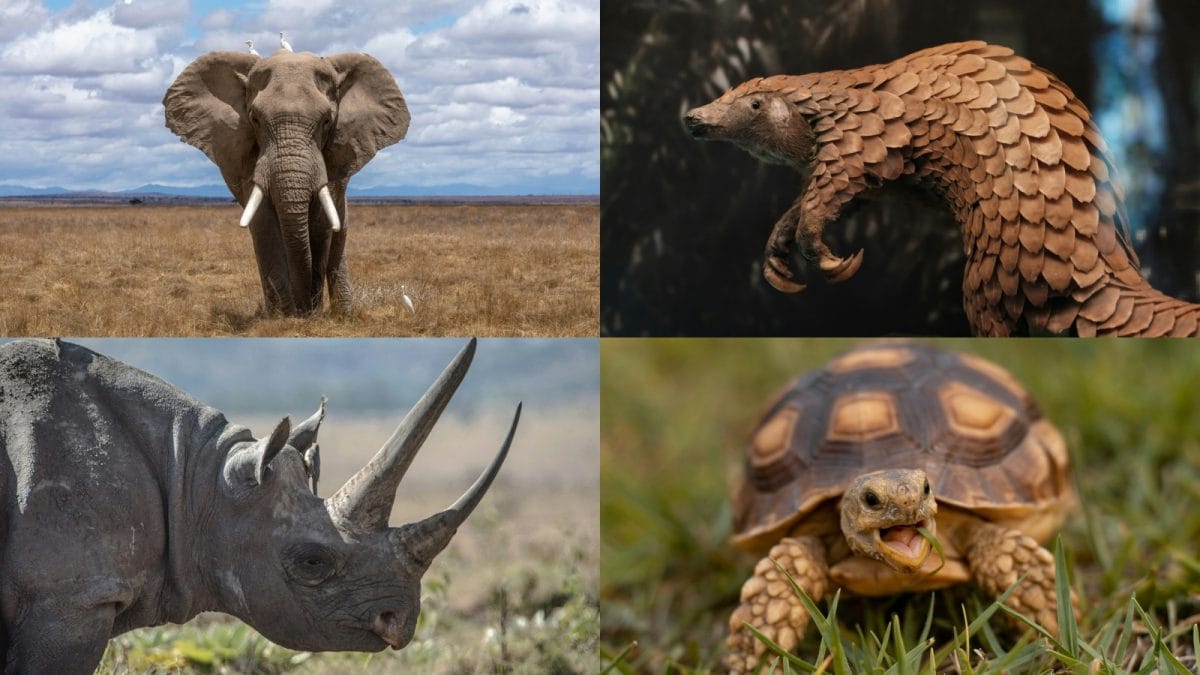
- Pangolins – These scaly mammals have become the most trafficked mammal on the planet, driven by demand for their scales.
- Elephant calves – Baby elephants are sometimes smuggled for tourism attractions, highlighting the breadth of species that can fall victim to crime.
Notice how the list blends the specific animals from the seizure with other commonly reported victims. By keeping the core facts intact, the article paints a clearer picture of the variety of species that traffickers target, without stepping beyond the information given.
How the smuggling chain works – a simple breakdown
If you ask a customs officer what the typical route looks like, they will describe a network that stretches from remote forests to bustling ports like Chennai. First, poachers capture the animals, often using traps or snares. Then, the animals are kept in makeshift cages—sometimes with sedatives to calm them, as we saw with the cobras and python. The next step involves moving them through hidden compartments in shipments, disguised as ordinary cargo. Finally, they reach a destination where a buyer—perhaps a private collector or a dealer in illicit wildlife products—waits.
In my own experience traveling by train across South India, I have seen pallets being loaded onto freight cars with seemingly innocent labels. It makes you wonder how many of those contain hidden lives. The whole process is risky; one slip can lead to a massive seizure, just like the one at Chennai airport.
What the authorities are doing – and where they need help
The customs officials who stopped the two shipments deserve a lot of credit. Their vigilance saved 49 animals from a likely gruesome fate. They also pointed out the long‑standing trend of venomous species being trafficked, which is an important clue for future investigations. In most cases, the authorities try to trace the source of the order, hoping to dismantle the larger trafficking network.
However, the battle is far from over. I spoke with a wildlife activist from a local NGO, who told me that they need more resources for surveillance, better training for officers, and stricter penalties for smugglers. The activist also mentioned that public awareness is key—if people stop buying illegal wildlife products, the market will shrink.
On a practical level, you can help by refusing to buy exotic pets from dubious sources, reporting suspicious activity near ports or markets, and supporting organisations that work on the ground. Even a small act, like sharing a news article with friends, can create ripple effects.
Connecting the dots with everyday Indian life
To bring this issue closer to home, think about the roadside stalls that sell everything from fresh produce to plastic toys. In many towns, there are also stalls that sell “exotic” items like snake skins or exotic feathers, often without anyone questioning the origins. A colleague of mine in Bangalore once bought a decorative snake skin, assuming it was just a leather product. Later, he learned it might have been sourced illegally, and that made him rethink his purchase habits.
Similarly, during festivals like Diwali, there’s a surge in demand for ornamental items, sometimes leading to the illegal trade of animal parts for decorations. When I visited a village market in Tamil Nadu, I saw a stall with tiger skin bags – a clear sign that wildlife parts are still circulating, even if not as overt as the animals themselves.
These little observations remind us that wildlife trafficking isn’t an isolated crime—it seeps into everyday commerce, and we all have a part to play in stopping it.
Final thoughts – why this matters to each of us
Seeing the images of sedated cobras and trembling gibbons at Chennai Airport stuck with me for days. It made the abstract idea of wildlife trafficking concrete, painful, and urgent. The fact that such a large number of animals can be moved across borders in a single operation shows how organised and bold the traffickers are.
But it also shows that dedicated officers can make a difference. If we each stay aware, speak up, and support conservation efforts, the odds of these smugglers succeeding will decline. In the end, protecting these creatures is not just about preserving biodiversity; it’s about safeguarding the moral fabric of our society.
So the next time you hear about an exotic pet or see a flashy animal accessory, think of the 49 creatures that were rescued in Chennai, think of the countless others still at risk, and ask yourself – what can I do to help? Small steps add up, and our collective voice can reach far beyond airports, into jungles and markets where the battle for wildlife survival truly unfolds.