Congress Announces Withdrawal from Baramati By‑Poll
Maharashtra Congress President Harshvardhan Sapkal disclosed that the Congress party would retract its nominee from the Baramati Assembly by‑election. The decision follows a series of personal appeals from the Chief Minister and other senior party leaders who emphasized the importance of conducting an unopposed election in the constituency.
Harshvardhan Sapkal articulated the rationale behind the move, stating that the party’s original plan to contest Baramati, as well as Rahuri, was driven by a desire to present a robust opposition to the Bharatiya Janata Party. Harshvardhan Sapkal recounted how Congress volunteers had been mobilizing door‑to‑door, urging residents to reject the BJP’s influence.
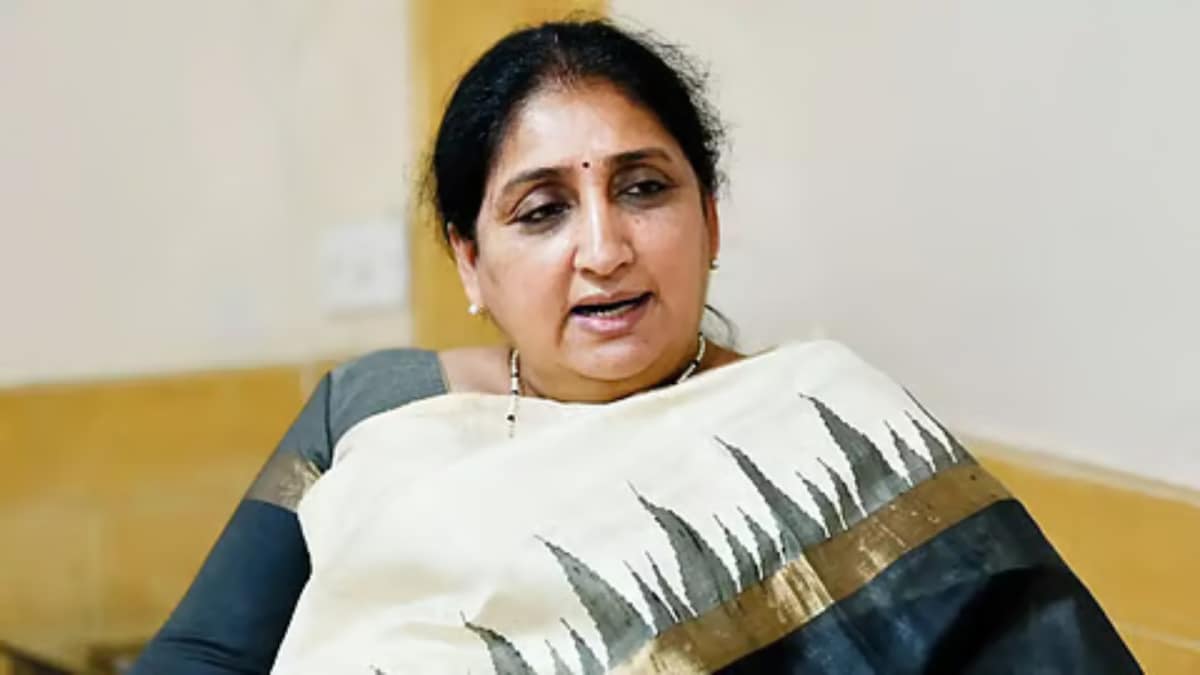
The immediate impact of Harshvardhan Sapkal’s announcement is that the race for the Baramati seat now lacks a Congress contender. The vacancy leaves Nationalist Congress Party leader Sunetra Pawar as the sole candidate from the coalition side, positioning Sunetra Pawar for an uncontested path to victory.
Original Contestants and Strategic Intent
Prior to the withdrawal, Congress had selected Akash More to stand against Nationalist Congress Party leader Sunetra Pawar. Akash More’s candidature represented Congress’s broader strategy to challenge the Bharatiya Janata Party’s dominance not only in Baramati but also in adjacent constituencies such as Rahuri.
Congress’s campaign narrative, as conveyed by Harshvardhan Sapkal, centered on delivering a clear anti‑BJP message to the electorate. Harshvardhan Sapkal highlighted the party’s commitment to grassroots engagement, noting the extensive door‑to‑door efforts undertaken by volunteers to articulate this stance.
Respect for Ajit Pawar’s Legacy
The withdrawal is framed as a mark of respect for Ajist Pawar, a veteran politician from the Nationalist Congress Party who succumbed to a fatal aircraft accident in Baramati, the area long considered Ajist Pawar’s political stronghold. Ajist Pawar’s death has resonated deeply across the political spectrum, prompting calls for a unified tribute to Ajist Pawar’s contributions.
In the wake of the tragedy, the Chief Minister and senior party officials reached out to Harshvardhan Sapkal, urging the Congress to honor Ajist Pawar’s memory by allowing an unopposed election. The appeal underscored a collective desire to avoid a contentious contest in a constituency that had been closely associated with Ajist Pawar’s political identity.
Harshvardhan Sapkal’s response to the appeal reflects a willingness to place reverence for Ajist Pawar above partisan competition. By stepping back, Congress signals a recognition of Ajist Pawar’s stature within the state’s political fabric.
Implications for Party Dynamics in Maharashtra
The decision to withdraw the Congress candidate reshapes the electoral calculus in Baramati. With Sunetra Pawar now positioned to secure the seat without opposition, the Nationalist Congress Party stands to consolidate its foothold in a region traditionally linked to Ajist Pawar.
The move also illustrates the nuanced interplay between respect for individual legacies and party competition. While Congress initially aimed to challenge the Bharatiya Janata Party’s influence, the party’s choice to honor Ajist Pawar demonstrates a strategic flexibility that aligns with broader political considerations in Maharashtra.
For the Bharatiya Janata Party, the withdrawal may prompt a reassessment of campaign focus in nearby constituencies, given the absence of a direct Congress challenger in Baramati. The development could influence the allocation of resources and messaging in the run‑up to the scheduled election day.
Reactions from Political Leaders and the Public
Nationalist Congress Party leader Sunetra Pawar expressed gratitude for the Congress’s decision, emphasizing that the gesture reflects a shared sense of loss and respect for Ajist Pawar’s contributions to public life. Sunetra Pawar’s remarks highlighted the importance of unity in the face of tragedy.
Congress representatives, including Harshvardhan Sapkal, reiterated that the withdrawal aligns with the party’s broader values of dignity and respect for political veterans. Harshvardhan Sapkal noted that the decision does not diminish Congress’s commitment to contesting future elections but rather honors a specific moment of collective mourning.
Members of the public in Baramati voiced mixed emotions, combining sorrow for Ajist Pawar’s untimely passing with curiosity about how the uncontested election will unfold. The local electorate appears poised to observe the ceremonial aspects of the election process in the absence of a multi‑candidate contest.
Historical Context of Baramati’s Political Landscape
Baramati has long been recognized as a pivotal constituency within Maharashtra’s political tapestry. Over the years, the area has been associated with prominent leaders, most notably Ajist Pawar, whose influence extended beyond electoral victories to shaping policy directions at the state level.
The constituency’s electoral trends have often mirrored broader state dynamics, making Baramati a focal point for parties seeking to demonstrate regional strength. The presence of a Nationalist Congress Party leader such as Sunetra Pawar in the current by‑poll underscores the continuity of established political lineages within the region.
Congress’s historical engagement in Baramati has involved periods of both collaboration and competition with the Nationalist Congress Party. The current withdrawal reflects an episode where respect for a personal legacy superseded partisan rivalry, offering a distinctive chapter in the constituency’s political narrative.
Procedural Aspects of an Unopposed Election
When a single candidate remains after the withdrawal of opponents, electoral law permits the candidate to be declared elected without the need for a formal poll. In this scenario, Sunetra Pawar stands as the sole nominee, which will lead to an uncontested declaration of victory.
The election commission will undertake the standard verification processes, including confirmation of nomination forms and eligibility checks, before officially announcing Sunetra Pawar as the elected representative for Baramati.
This procedural pathway eliminates the logistical requirements associated with conducting a contested vote, thereby streamlining the election timeline for the constituency.
Future Outlook for Congress and the Nationalist Congress Party
Looking ahead, the Congress party may recalibrate its campaign strategies in neighboring constituencies, focusing on areas where it can present a robust challenge to the Bharatiya Janata Party and other regional rivals. Harshvardhan Sapkal’s leadership will likely emphasize rebuilding grassroots momentum following the Baramati withdrawal.
For the Nationalist Congress Party, Sunetra Pawar’s forthcoming unopposed win will reinforce the party’s foothold in a constituency intimately linked to Ajist Pawar’s legacy. The outcome may serve as a catalyst for the Nationalist Congress Party to consolidate its influence in adjacent districts, leveraging the symbolic significance of the Baramati result.
Both parties will monitor voter sentiment closely as the election day approaches, ensuring that future engagements resonate with the electorate’s expectations in a post‑withdrawal political environment.
Broader Implications for Maharashtra’s Electoral Climate
The Baramati episode illustrates how personal reverence can intersect with strategic maneuvering in the state’s political arena. It highlights the capacity of parties to adapt their tactics in response to extraordinary circumstances, such as the loss of a senior figure like Ajist Pawar.
Analysts suggest that the unopposed election may set a precedent for other constituencies facing similar situations, where parties might opt for conciliatory gestures rather than intensifying electoral battles. This approach could influence the tone of political discourse across Maharashtra in the upcoming electoral cycles.
Ultimately, the decision underscores the delicate balance between honoring legacy and pursuing political objectives, a dynamic that continues to shape the evolving narrative of Maharashtra’s democratic processes.