These dishes offer a taste of the state’s culinary heritage, blending spices, textures, and flavours that reflect centuries of culture and local ingredients.
Honestly, when I think of Tamil food, the first thing that pops up in my mind is the soft, white idli I used to munch on during school mornings. But over the years, especially after moving back to Chennai for a few months, I realised idli is just the tip of the iceberg. There are so many other dishes that my family has been making for generations, each with its own story and a special place in our daily routine.
So, let me take you on a little culinary tour of my favourite eight Tamil classics – the ones that I still crave whenever I’m away from home. I’ll share a bit of background, why they matter to us, and some practical pointers that helped me nail them in my own kitchen.
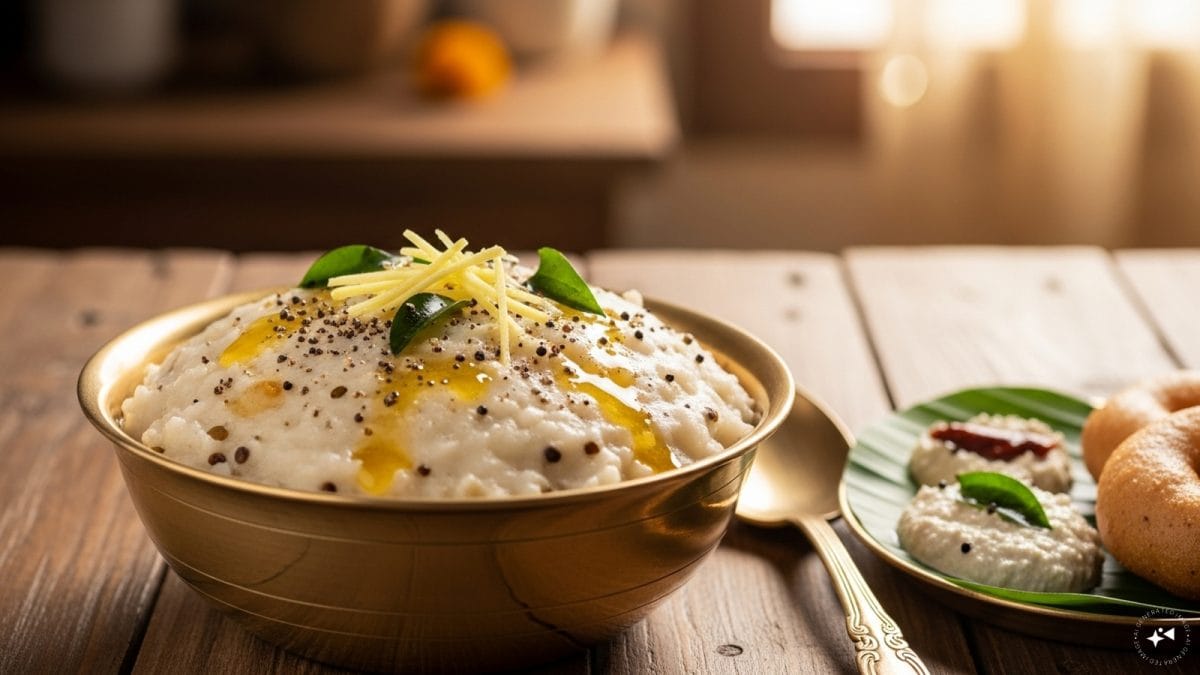
1. Vellai Pongal – The Comforting Rice‑Lentil Porridge
Picture this: a monsoon evening, the sound of rain pattering on the tin roof, and a steaming bowl of vellai pongal fresh from the pressure cooker. It’s the kind of dish that feels like a warm hug. The base is simple – rice and yellow moong dal cooked with a little ghee, black pepper, cumin and a pinch of ginger.
In my house, my grandmother would always add a handful of cashew nuts, roasting them in ghee until they turned golden brown. That crunchy surprise in the soft porridge is something I still try to recreate. The secret, as she told me, is to simmer the rice and dal slowly, letting the flavors meld. If you’re short on time, a quick‑release pressure cooker works fine, but don’t rush the tempering – the pepper‑cumin mix must sizzlingly crackle before you pour it over the pongal.
We usually have it for breakfast on special occasions, like Pongal festival, but it’s also my go‑to comfort food when I feel under the weather. Pair it with coconut chutney and a dollop of ghee, and you’ve got a complete, soothing meal.
2. Medu Vada – The Crispy Savoury Doughnut
Whenever I walk past a street vendor in Chennai’s Marina Beach, the aroma of medu vada hits me like a nostalgic wave. It’s essentially a deep‑fried donut made from urad dal (black gram) batter, spiced with black pepper, curry leaves and a hint of asafoetida.
My first attempt at making vada at home was a disaster – the batter was too thick and the vadas turned out dense. After a couple of trial runs, I learned that soaking the dal for a few hours, grinding it to a smooth, fluffy batter, and then letting it rest for about 30 minutes makes all the difference. The resting stage allows air bubbles to form, giving the vada its signature airy centre.
When frying, I use a ladle‑sized portion, dropping the batter into hot oil in a swirl motion. If the oil isn’t hot enough, the vada absorbs too much oil and becomes soggy. A quick tip: add a pinch of rice flour just before frying – it adds extra crunch without altering the taste.
We usually serve it with coconut chutney, sambar or even a simple tomato chutney. It’s the perfect snack for evening tea, especially when the monsoon rains make you want to stay indoors.
3. Sambar – The Soulful Lentil Stew
Sambar is the backbone of any Tamil thali. It’s a tangy, slightly spicy stew made from toor dal, tamarind, and a generous amount of vegetables – drumsticks, carrots, beans, and sometimes pumpkin.
My family’s sambar recipe is a guarded secret, but I can share a few bits that make it distinct. First, I roast the sambar powder (made from coriander seeds, cumin, fenuGreek, dried red chilies and a few cloves of nigella) until fragrant before grinding it. This brings out a deeper aroma compared to store‑bought powder.
Second, I always add a squeeze of freshly extracted tamarind pulp – the sourness should be sharp but not overpowering. A small amount of jaggery balances the tang, while a final tempering of mustard seeds, curry leaves and dried red chilies in hot oil adds that characteristic pop.
Sambar is versatile. We pour it over rice, enjoy it with idli or dosa, and even use it as a base for vegetable kurma during festivals. It’s one of those dishes that tastes better the next day, so I often make a big batch and store it in the fridge.
4. Rasam – The Light, Peppery Soup
If sambar is the heart, rasam is the lively pulse – a thin, peppery broth that clears the sinuses and warms the soul. The main ingredients are tamarind juice, tomato, roasted cumin powder, black pepper, and a handful of coriander leaves.
During my childhood, I’d watch my mother simmer the rasam in a clay pot, letting the fragrant steam rise. The secret is the tempering: mustard seeds, dried red chilies and a few curry leaves fried in ghee, then poured over the hot rasam. This not only adds flavor but also a delightful visual contrast.
Rasam can be served as a soup on its own, especially when I’m feeling a bit under the weather, or as a side with rice and a spoonful of ghee. Some families also add a dash of raw mango during summer for an extra tangy twist – a refreshing change.
5. Chicken Chettinad – The Fiery Curry from the Chettinad Region
Now, moving from vegetarian classics to a non‑veg favorite – Chicken Chettinad. This dish hails from the Chettinad region, known for its bold use of spices and roasted masalas.
What makes it unforgettable for me is the aroma of freshly roasted coriander seeds, fennel, black pepper, and cinnamon that fills the kitchen. My aunt will roast these spices whole, cool them, and then grind them into a fine powder. The chicken is marinated with this masala, along with ginger‑garlic paste and a splash of curd, ensuring it stays moist.
The cooking technique is short‑duration sautéing – you first fry onions until golden, add the masala, then the chicken pieces, and finally a little water to create a thick gravy. The dish is typically served with appam or plain rice, and a side of coconut chutney.
Chettinad cuisine is known for its heat, but the key is balance – the spices shouldn’t overwhelm the chicken’s natural flavor. A pinch of jaggery often rounds off the sharpness, giving it that signature sweet‑spicy finish.
6. Filter Coffee – The Aromatic Brew That Starts the Day
It would be a sin to talk about Tamil food without mentioning a steaming cup of filter coffee. The preparation itself is almost a ritual – a metal filter with two compartments, bitter coffee grounds at the bottom, and hot milk on top.
My mother always insisted on using freshly roasted beans mixed with chicory for that distinct flavor. The coffee drips slowly, forming a thick, dark decoction that we then pour over boiled milk, sweetened with jaggery or sugar.
Aside from being a morning pick‑me‑up, we also enjoy it during evenings after a hearty dinner. The creamy, slightly bitter taste blends beautifully with the spices we’ve just consumed, making the whole experience harmonious.
Even if you don’t have the traditional stainless‑steel filter, you can mimic the texture using a French press – just make sure the coffee-to‑water ratio stays the same.
7. Sundal – The Simple, Protein‑Packed Snack
Sundal is a snack I first tried at a temple festival – a bowl of boiled chickpeas (or other legumes) tossed with mustard seeds, curry leaves, grated coconut, and a touch of turmeric.
What I love about sundal is its simplicity and its health quotient. It’s perfect for those moments when you want something light yet filling. My version uses boiled Green gram, seasoned with dried red chilies, a pinch of hing (asafoetida) and fresh coriander.
It’s a common offering at South Indian temples, especially during Pradosham, but you’ll also find it being sold by street vendors near the beach. The crunch of the mustard seeds and the freshness of the coconut give it a delightful texture.
8. Payasam – The Sweet Finale to Any Meal
No Tamil feast feels complete without a bowl of payasam. While there are many varieties – rice, vermicelli, semolina – my personal favourite is the traditional milk‑based payasam made with rice, jaggery, and ghee.
The cooking process is slow and patient: first we cook the rice until soft, then we add thickened milk and simmer until the mixture thickens. Finally, we melt jaggery in a bit of water and pour it into the pot, letting the whole sweet mass turn a beautiful golden‑brown hue.
We garnish it with roasted cashews, almonds and a sprinkling of cardamom powder. It’s served both warm and chilled, depending on the season. During festivals like Pongal or Diwali, my family makes a huge batch that lasts for days.
All these dishes, when placed side by side, highlight how Tamil cuisine is a beautiful blend of simplicity, bold flavors, and deep cultural roots. Whether it’s the humble idli you started with or the elaborate chicken Chettinad that takes hours to perfect, each plate tells a story of our land, our festivals and our families.
Next time you’re planning a meal, try adding at least one of these classics to your menu. You’ll not only enjoy a delicious bite but also feel a connection to the generations that have cooked and shared these recipes for centuries. And trust me, once you’ve tasted the authentic flavors, you’ll never look at idli the same way again.