My First Glimpse of the Lockdown
When I stepped out of my flat in the G-10 sector early yesterday, the streets that usually hummed with rickshaws and eager commuters were eerily quiet. The usual chatter of vendors selling chai and samosas had been replaced by a mechanical hum of military vehicles patrolling every corner. It felt a bit like the intense security we see during Cricket World Cup matches, but this time the stakes were far higher. I could see the Pakistan military and local law enforcement patrolling side by side, their presence a stark reminder that something big was about to happen in Islamabad.
From what I gathered by talking to a neighbour who works with the Pakistan Army, the security set‑up here is being called a "seven‑layer shield". At the outermost layer, we have air‑surveillance units that constantly scan the skies, much like the drones we see over Delhi during big festivals. Inside that, the SSG Commandos are positioned in strategic points, ready to act at a moment’s notice. Further in, specialised wings of the Pakistan Army, Rangers and Frontier Corps work hand‑in‑hand to maintain order. It’s a coordinated effort that feels almost cinematic, but it also makes you wonder how many people are actually involved in protecting a single set of talks.
The Nur Khan Airbase Takeover – A Sign of Things Getting Serious
One of the most striking changes, in my opinion, has been the complete takeover of PAF Base Nur Khan. While the base usually hosts routine flights and some commercial traffic, this time the standard security staff has been swapped out for elite units. I saw a convoy of black‑painted vehicles, each emblazoned with the insignia of the Special Forces, rolling out of the hangars. It reminded me of the way the Indian Air Force guards the AFS Bhatinda when high‑level meetings are scheduled there – a clear signal that the authorities are not leaving anything to chance.
Simultaneously, the Islamabad Capital Administration has blocked the main Islamabad Expressway from the airbase all the way to Zero Point. Shipping containers line both sides, creating a barrier that looks like an improvised wall one might see at a construction site in Mumbai. All civilian traffic has been diverted to alternate routes, which has turned the usual morning commute into a grid‑lock mess. For a few hours I found myself stuck on the Srinagar Highway, watching rows of police bikes and military jeeps whisking past, while ordinary commuters shouted in frustration – a scene not too different from the traffic snarls we all endure during rush hour, but now with a heightened sense of urgency.
The Venue Mystery – Serena, GHQ, or PMO?
Even with the massive security deployment, there’s still a cloud of confusion hovering over where exactly the talks will be held. The first rumours I heard on the radio hinted that the state‑requisitioned Serena Hotel could be the venue. The Serena is a fancy place, popular among diplomats, so it made sense at first glance. However, later conversations with a friend who works at the Ministry of Foreign Affairs suggested that the planners are leaning towards a more secure military site, such as the General Headquarters (GHQ) or the Prime Minister’s Office (PMO).
What makes the decision so tricky is the fact that the two delegations – the United States and Iran – are natural adversaries. The security teams from both sides have been in constant contact with the Pakistani law enforcement agencies, vetting each possible venue. Yet, no official announcement has been made, likely to avoid giving any potential threat actors a chance to plan something. I remember how during the India‑Pakistan cricket matches, security officials keep the exact seating arrangements confidential until the last minute – a similar logic seems to be at play here.
Diplomatic Deadlock – The Lebanon Wildcard
The logistics might be getting sorted, but the diplomatic side of the summit is hitting a major roadblock, which I like to call the “Lebanon Issue”. Vice President JD Vance, who is leading the US delegation along with Steve Witkoff and Jared Kushner, has publicly stated that the ceasefire being discussed is a bilateral one, deliberately excluding Lebanon from the equation. This stance mirrors the US approach we often see in Middle‑East negotiations, where the focus is kept narrow.
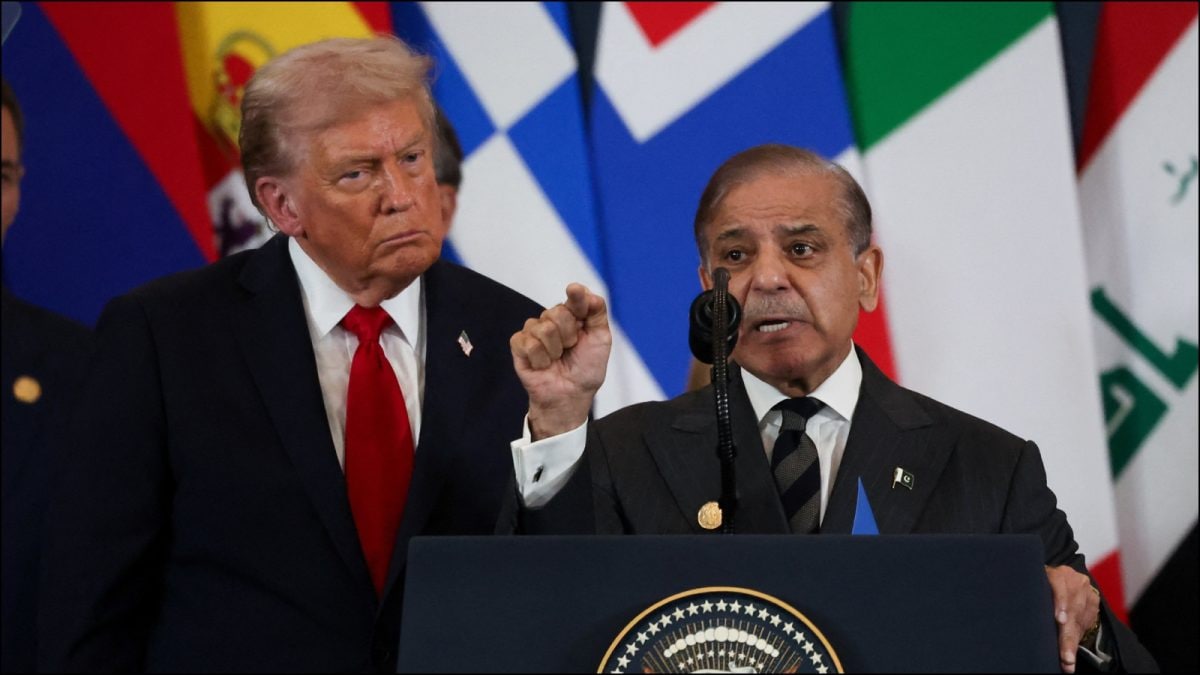
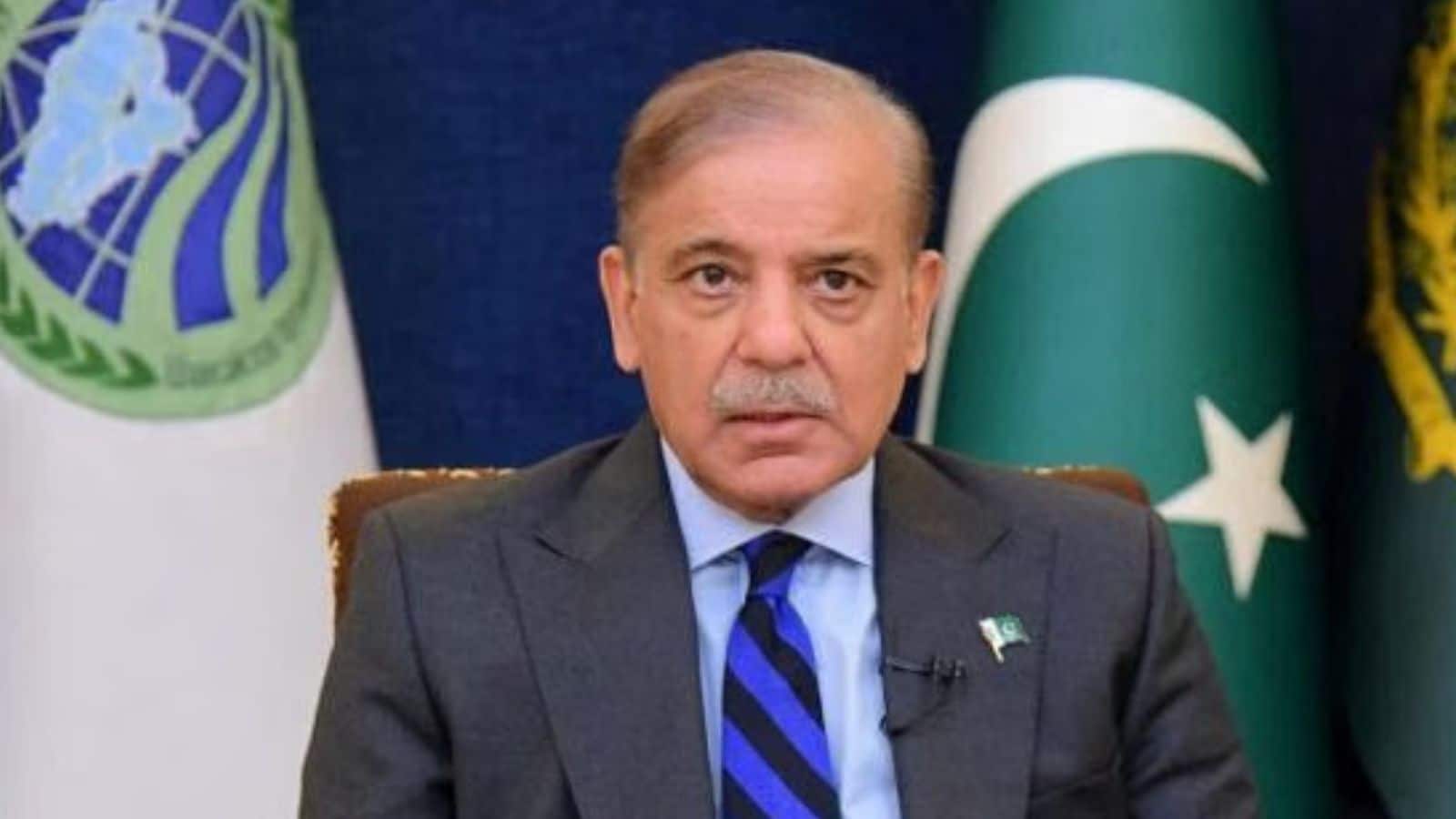
On the other hand, Iranian Foreign Minister Abbas Araghchi and Parliament Speaker Mohammad Bagher Ghalibaf have made it clear that Tehran will not sign any aGreement unless Israel stops its strikes on Lebanon immediately. The tension escalated after a series of deleted social media posts from Iranian diplomats, which created a lot of speculation. Prime Minister Shehbaz Sharif has stepped in, saying publicly that Lebanon is “on the table”, placing Islamabad in a delicate position of trying to bridge a massive gap between the two powers even before the first session starts.
Being a citizen who follows both regional and global politics, I find this deadlock reminiscent of the way Indian political parties sometimes stall a bill over a single contentious clause. It’s a classic case of a broader agenda getting tangled in a specific, highly charged demand.
Timing and Arrivals – Who Will Land When?
According to the information I gathered from a journalist friend, the Iranian delegation is set to arrive later tonight. They will have a few hours for preparatory meetings with Pakistani officials before the main talks begin. The US delegation’s arrival, however, remains shrouded in secrecy, likely for security reasons. The word on the street is that Vice President JD Vance and his team are expected to touch down under the cover of darkness, much like how special diplomatic envoys sometimes land at night to avoid drawing attention.
There is an added urgency because the temporary ceasefire that has been holding the region together is due to end very soon. While I cannot mention the exact date, the looming deadline adds pressure on both delegations to make progress. It feels a bit like waiting for the last train to catch before the station closes – you’re aware that the window is closing fast, and everyone is on edge.
My Personal Observations – The Human Side of the Security Maze
Living in Islamabad during this period has given me a front‑row seat to both the impressive security choreography and the underlying anxiety that many residents feel. I’ve seen police officers, who usually wear simple caps, now sporting night‑vision goggles while directing traffic. I’ve heard the low hum of helicopters hovering above, a sound that reminded me of the constant buzz we hear over Delhi during the monsoon season when the sky is full of planes.
What’s striking is the mix of professionalism and human moments – I saw a young soldier sharing a bottle of water with an older officer, both of them taking a quick break from guarding the entrance to the airbase. In the nearby market, vendors have started selling “peace chai” to attract customers, a tiny sign of hope amidst the tension.
There have even been moments of playful banter among the security personnel. A senior commander joked that the number of shipping containers blocking the Expressway could rival the amount used for a big wedding ceremony in Lucknow. Such remarks, while light‑hearted, serve to ease the nerves of both the guards and the civilians who watch from a distance.
Why the Venue Decision Matters
Choosing the venue is not just about picking a building; it’s about signalling the level of seriousness and trust each side has in the host country. If the talks were held at the Serena Hotel, it would convey a more neutral, perhaps even relaxed atmosphere, similar to a coffee meeting in a café in Bangalore. However, moving the venue to the General Headquarters or the Prime Minister’s Office would underline the high‑security nature of the discussions, akin to a closed‑door meeting in the Rashtrapati Bhavan.
Both options have their pros and cons. A hotel setting offers more privacy, but could be vulnerable to infiltration attempts, as seen in past incidents where diplomatic meetings have been targeted. A military headquarters, on the other hand, provides tighter security, but could be perceived as an intimidation tactic by one of the delegations. This balancing act is something I’ve seen in many Indian contexts as well, where the location of a negotiation can tip the scales in subtle ways.
Potential Outcomes – What Could Change After the Talks
If the talks manage to produce a breakthrough, the ripple effect could be massive. A genuine reduction in US‑Iran tensions would ease the pressure on Lebanon and could open up space for economic projects, similar to how the opening of the Chabahar port has sparked hopes for increased trade in the region. Moreover, a successful summit would boost Pakistan’s reputation as a reliable mediator, something the country has been striving for over the past few years.
Conversely, if the deadlock over Lebanon persists, the ceasefire could collapse, leading to renewed hostilities. This scenario would likely see a spike in security alerts across the region, and the already congested borders could see a fresh wave of refugees. For ordinary people like me, it would mean more curfews, longer lines at fuel stations, and heightened anxiety about the future.
In either case, the world will be watching how the seven‑layer security shield holds up and whether Islamabad can serve as a neutral ground for these heavyweight powers.
Conclusion – A City on the Edge, Yet Hopeful
From my balcony, I can see the faint glow of the military generators and hear the distant thrum of aircraft engines. The city feels like it’s holding its breath, waiting to see whether this extraordinary diplomatic effort will bear fruit. While the security measures are strict, the undercurrent of optimism among ordinary citizens, like the small gestures of kindness I’ve witnessed among soldiers, tells me that people still believe in the possibility of peace.
Whether the talks settle the Lebanon issue, secure a lasting ceasefire, or simply end in another round of stalled negotiations, the experience of living through such a historic moment has been unforgettable. It reminds me of the times when we, as a nation, have stood at crossroads – be it during the Emergency period or the 1998 nuclear tests – and have emerged stronger. I hope that the seven‑layer shield around Islamabad not only protects the delegates but also paves the way for a safer, more stable future for the entire region.