What the Congress manifesto actually says – a quick rundown
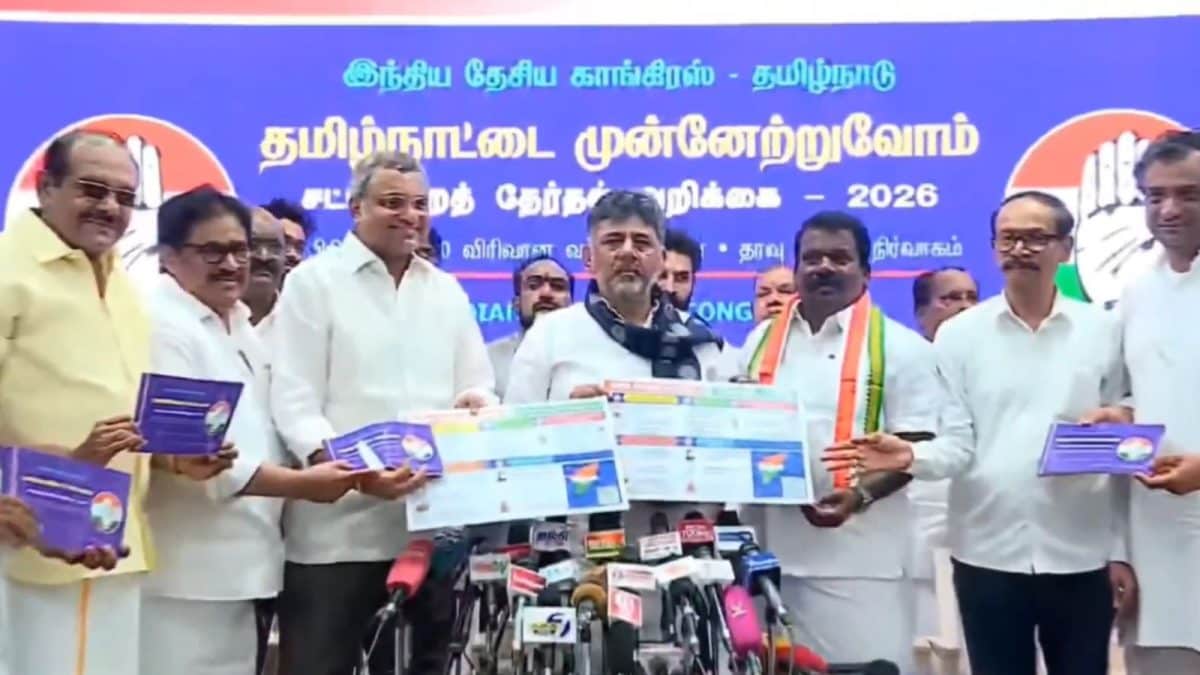
So, I was scrolling through the news this morning and saw that Congress has finally put up its Tamil Nadu election manifest‑o‑sheet. It’s a long document, but the headline points are pretty clear: they want a “Rabies Free Tamil Nadu” by 2030, they promise 3 lakh government jobs in just 300 days, and they’re also talking about a Rs 2,000 per month cash gift for every family. In the background you could almost hear the jingles of election rallies – they’re trying to hit the sweet spot for people who are worried about jobs, safety and health.
Dog‑vaccination drive – why it matters to you and me
First off, the whole “100 percent dog vaccination and sterilisation by 2030” thing caught my eye because, honestly, who in India thinks about vaccinating street dogs? In my neighbourhood in Coimbatore, you see stray dogs roaming around the market, and a few of them have that “I’m scared of you” look. The manifesto says they will make Tamil Nadu rabies‑free. If they actually pull it off, you won’t have to worry about that occasional bite that could send you to a hospital. Plus, fewer stray dogs means a cleaner city, less mess on sidewalks, and maybe even fewer traffic jams caused by dogs suddenly darting across the road.
It’s not just a health thing – it’s about feeling safe when you step out for a quick tea break or when you’re taking your kids to school. Imagine a city where you don’t have to glance over your shoulder whenever a dog barks. That’s the kind of subtle quality‑of‑life boost they’re promising.
3 lakh government jobs in 300 days – is it doable?
Now, the big, bold promise is the “3 Lakh Govt. Jobs in 300 Days” initiative. Basically, Congress says they will fill every vacant post across all government departments within that short window. In the document they also say they will publish department‑wise vacancy lists and create a transparent recruitment calendar so that aspirants know exactly when and where to apply.
From my own experience, trying to get a government job is a bit of a nightmare. You sit through multiple rounds of exams, you wait for results for months, and then there’s “the lucky draw” of which vacancy is actually filled. If Congress really makes the vacancy lists public and sticks to a clear calendar, it could cut down the endless speculation and rumors that float around tea‑stalls in Chennai or Hyderabad.
Think of a friend of mine, Ravi, who spent two years preparing for the Tamil Nadu State Service exams. He told me the process feels like a maze. If there were a transparent calendar, he could plan his study schedule better and know exactly when to apply. That’s the kind of practical change that could make a difference on the ground.
On the flip side, 3 lakh jobs is a massive number. Even if the government adds a few thousand posts every year, reaching that figure in less than a year means a huge recruitment drive, fast‑track training and onboarding, and a lot of paperwork. Whether the administration can handle that many new hires without compromising quality is a legitimate question. But at least the promise is there, and for job‑seekers it feels like a breath of fresh air.
Universal Basic Income – every family gets Rs 2,000 a month
Another headline grabber is the Universal Basic Income (UBI) scheme. Congress says every family will get Rs 2,000 per month, directly transferred into women’s bank accounts, and it will cover all ration‑card holders across the state.
The idea of putting money straight into women’s accounts is smart, because in many Indian households, women are the ones who manage daily expenses – groceries, school fees, that little bit of extra for health check‑ups. By ensuring the cash lands in their hands, the scheme hopes to empower them and also reduce leakage.
Let me give you a quick example from my uncle’s village in Tirunelveli. He mentioned that his sister‑in‑law runs a small tea stall which brings in barely enough to pay for the kids’ school fees. An extra Rs 2,000 a month would mean they could afford decent study material, maybe even a second set of shoes for the children. It’s not a huge amount, but in a low‑income household it can be a real help.
Critics will say it’s just a hand‑out, but the manifesto emphasises that the cash will be transferred directly. That cuts out middlemen, reduces corruption, and ensures the money reaches the people who need it most.
Boosting public safety – 40,000 new police officers, 10,000 women commandos
Public safety gets a whole section in the document. Congress promises to recruit 40,000 new police personnel, and out of those, 10,000 will be women commandos. In my mind, that’s a huge step toward making streets feel safer, especially for women.
You know how in many parts of Tamil Nadu, late‑night walks are still a bit scary? Having more women officers could make people feel more comfortable. The party also mentions setting up a world‑class call centre that would merge police, fire, child helpline and ambulance services under a single “Dial 100” number.
Right now, if you have an emergency, you might have to call different numbers – police, ambulance, fire brigade – and sometimes you get transferred or put on hold. A single number would simplify that. Imagine you’re stuck in a traffic jam caused by an accident; you just dial 100, and the call centre can coordinate police and ambulance together. That could save precious minutes.
In one of my cousin’s neighbourhoods in Madurai, a child once fell into a well and the nearest ambulance took forever to arrive because the call got misrouted. A unified emergency response could have meant a quicker rescue. That’s the practical impact they’re talking about.
Turning Tamil Nadu into a global spiritual tourism hub
Now, this might sound a bit lofty, but the manifesto says they will promote Tamil Nadu as a “Global Spiritual Tourist Centre”. They talk about highlighting historic places of worship, offering multilingual guides and organising heritage tours.
Think about the Meenakshi Temple in Madurai, the Brihadeeswarar Temple in Thanjavur, or the ancient churches of Kanyakumari. These are already huge attractions. With better guides who speak English, French or German, foreign tourists could have a richer experience, maybe even leading to more revenue for local businesses.
Personally, I have a friend who runs a small homestay near Rameswaram. He said that most of his guests are Indian families, and that foreign tourists are few and far between. If the state pushes multilingual guides and better promotion, his homestay could get more bookings, and his family could earn a bit more. It’s a win‑win for the local economy.
Infrastructure promises – pothole‑free roads and near‑zero road deaths
Roads are a pain point everywhere in India. The manifesto promises an aggressive push for pothole‑free roads and sets a “Near Zero Road Accident Deaths” target. In my own city, I still see potholes that can swallow a bike tyre in seconds.
If the government actually fills those potholes quickly and maintains the roads, daily commuters – whether you’re in a auto‑rickshaw or driving your own car – will have a smoother ride. Fewer road accidents mean less trauma for families, which is very real when you hear stories of a truck driver losing his son in a collision because of a broken road.
Also, better roads help the tourism push. Tourists are more likely to travel to remote temples or beaches if the roads are good. So the road‑safety agenda fits nicely with the spiritual tourism plan.
The political backdrop – who’s speaking and where
The manifesto was launched in Chennai in the presence of a few senior leaders: Karnataka Deputy Chief Minister DK Shivakumar, Congress MP Karti Chidambaram and State Congress chief K Selvaperunthagai. Their presence signals that the party is hoping to rally both regional and national support.
It’s also worth noting that Tamil Nadu will vote in a single phase across all 234 constituencies, and counting will happen later. The timing of the release, near the election, shows how the promises are meant to capture voter imagination.
From a voter’s perspective, the document tries to hit many nerve‑points: jobs, safety, health, and cultural pride. Whether it resonates will depend on how convincingly the party can back these promises with actions once they win.
My take – where the promises feel real and where I’m skeptical
Reading through the manifesto, I could see a mix of genuine concern and political theatre. The dog‑vaccination drive is a concrete public‑health step that, if funded properly, can actually happen. The 3 lakh job promise feels ambitious but could be realistic if the recruitment process is streamlined – the idea of a transparent vacancy list is something I’d love to see.
On the other hand, the UBI of Rs 2,000 per month will cost a lot of money. The manifesto does not spell out where the funding will come from – that’s a big question mark. Also, creating 10,000 women commandos is great in principle, but the training and infrastructure needed is huge.
Overall, I think the document does a decent job of addressing day‑to‑day concerns of a typical Tamil Nadu resident – be it a farmer in Salem worrying about road safety, a shop‑keeper in Coimbatore hoping for more tourists, or a housewife in Trichy looking for a steady income. If Congress really follows through, it could change the lives of many. If not, it will join the long list of election promises that fade away after the results are announced.
Only time will tell, but for now, this manifesto gives a lot to discuss over chai with friends and family.