Unlike the Iranian delegation, which is expected to land in a single block led by Foreign Minister Abbas Araghchi, the American delegation is arriving in two-three distinct phases
Let me tell you how I saw the whole thing play out. I was actually at the airport garage, sipping chai with a few colleagues, when the news started buzzing on my phone. The Pakistan Air Force (PAF) was activating something they call an “air shield,” and I could see the massive IL‑78 tankers and C‑130 transports already up in the sky. It felt like those old Bollywood war movies where the sky is full of fighter jets, but this was real life and it was happening right above the capital.
What struck me most was the sheer scale of the operation. The PAF had not only sent two IL‑78 refuelling tankers and three C‑130 transport aircraft into the night sky but also kept them hovering for several hours. The tankers were there to make sure the incoming jets never ran out of fuel, while the transports were ready to ferry officials and equipment if needed. In my mind, it was like watching an orchestrated dance, each aircraft moving in perfect sync with the ground teams.
The Air Shield: PAF Activates Protocols
Top sources within the Pakistan Air Force confirmed that the multiple air activities recorded that evening were part of a “foolproof” security mechanism for the impending peace talks. This wasn’t just a ground operation; it involved a continuous aerial presence to enforce a secure corridor for the incoming jets.
What added another layer of intrigue was the PAF’s special flights to the United Arab Emirates and Saudi Arabia that same night. It seemed like a regional coordination effort, mirroring the diplomatic talks happening on the ground. The Pakistani Foreign Minister was reported to be on the phone twice with his Saudi Arabian counterpart, making sure that both sides were on the same page about the security posture.
Honestly, hearing about the Pakistani Foreign Minister’s calls reminded me of how many times my own family coordinates trips across borders – it’s all about making sure every detail lines up, from visas to fuel stops.
A Staggered Arrival: The US Phased Approach
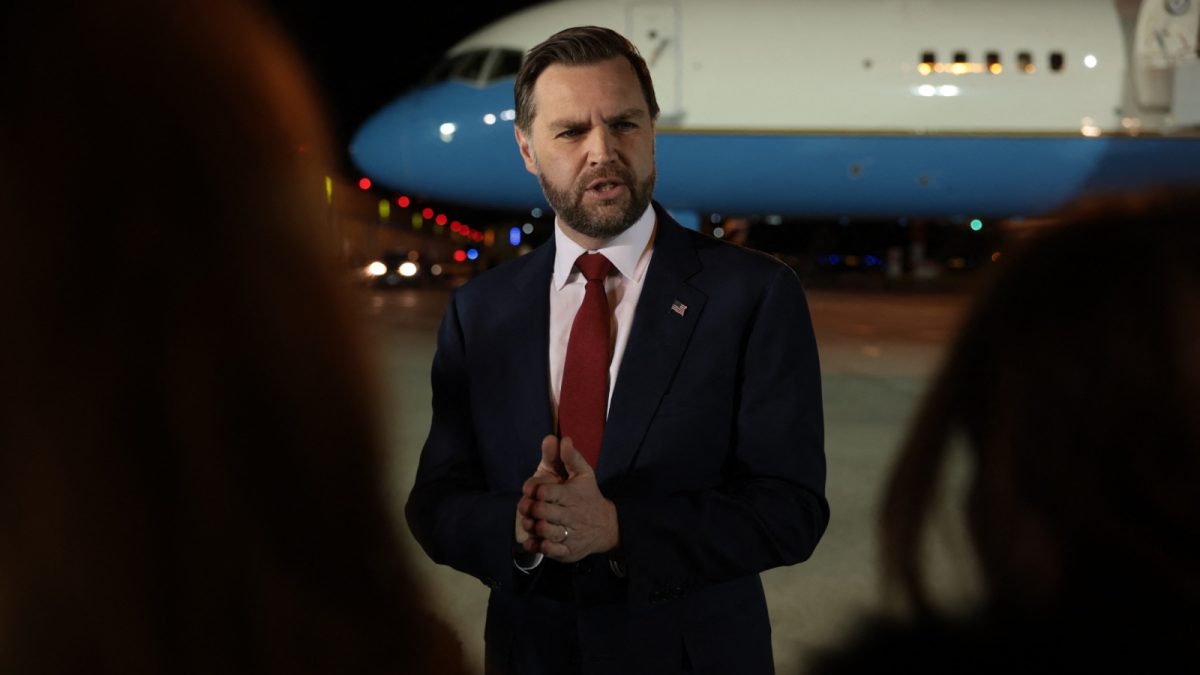
When it comes to the American delegation, the plan was anything but straightforward. High‑profile figures Jared Kushner and Steve Witkoff were scheduled to arrive in the first phase. Then, Vice President JD Vance was expected to touch down later as part of the second phase, with even tighter security protocols.
The idea behind this staggered arrival, I learned from a friend who works in logistics, was to spread out the security burden. Having the second‑highest‑ranking US official in an already tense environment required extra caution. By splitting the arrival, the Pakistani security agencies could allocate resources more effectively and avoid a single point of failure.
From where I was sitting, the whole thing looked like a well‑rehearsed play. The first wave of aircraft, carrying Jared Kushner and Steve Witkoff, swooped in under a blanket of night, while the second wave, with Vice President JD Vance, came later under the glow of the early dawn. The difference in timing also gave the ground teams a chance to reset their checkpoints and double‑check every detail.
To & Fro: The Buffer Zone Diplomacy
Inside the heavily guarded Islamabad “Red Zone,” the strategy was one of extreme caution. Official sources said that, initially, the American delegation and the Iranian delegation would not be brought face‑to‑face. This “To & Fro” style of diplomacy meant that each side would first hold separate, intensive meetings with Pakistani officials.
The Pakistani mediators, acting as a “human buffer,” would then relay terms between the two sides from their secure locations. A direct, face‑to‑face meeting between the United States delegation and the Iranian delegation was only expected once a preliminary consensus had been reached during these separate sessions.
It reminded me of the way family elders mediate disputes back home – they speak to each side individually, then bring the messages back, hoping to find common ground before everyone sits together.
The Iranian delegation, confirmed to be meeting Pakistani officials that night, was led by Foreign Minister Abbas Araghchi. Their arrival in a single block was in stark contrast to the phased approach of the American delegation. The Iranian delegation’s schedule was simpler: one block, one landing, and straight to the meeting rooms.
These separate meetings were happening in the shadows of the capital’s most secure military installations. The whole atmosphere felt tense, yet there was an undercurrent of hope that these carefully choreographed steps might finally bring a breakthrough.
Ground Preparations and Everyday Observations
While the sky was busy with IL‑78 tankers and C‑130s, the streets of Islamabad were buzzing with ordinary folks. I saw street vendors near the airport selling boiled eggs and chai, just like any other evening. A few of them whispered about the “big visitors” and wondered if the peace talks would lead to better business for them.
Even the traffic controllers at the Pakistan Air Force control tower were working overtime. I overheard a senior officer saying, “We have to keep the corridor clear, no civilian flights in that sector today.” It reminded me of how, during the monsoon season, we often have to reroute traffic because of water‑logged roads – only here it was aircraft that needed a clear path.
Across town, my colleague from the Ministry of Foreign Affairs told me that the Pakistani Foreign Minister was double‑checking every diplomatic note before sending it to the Saudi Arabian counterpart. The level of detail was comparable to the way we double‑check a wedding invitation list – no room for error.
Why This Matters for Everyday Indians
For many of us living in India, the whole drama might seem far away, but the ripple effects could reach our own neighborhoods. A stable peace in the region often means smoother trade routes, lower fuel prices, and fewer security alerts at our airports.
When the Pakistani Air Force keeps its airspace secure for these delegations, it also means that the same protocols can be used for future commercial flights, including those bound for Indian cities. Think of the extra reassurance we get when we see a familiar PAF fighter jet patrolling the skies during a festival – it’s the same level of vigilance.
Moreover, the diplomatic talks themselves could set a precedent for how we handle our own border issues. If the “human buffer” approach works, maybe we could adopt a similar style for talks with neighboring countries, where trusted mediators help relay messages before face‑to‑face meetings.
Personal Reflections on Watching History Unfold
Being there, even from a distance with my phone and a cup of chai, gave me a front‑row seat to a piece of history. I felt a mix of anxiety and curiosity. The IL‑78 tankers humming overhead reminded me of the sound of a rickshaw engine that never stops, always moving forward.
Every time I glanced at the horizon, I could see a C‑130 silhouette against the fading light, as if a silent guardian was ensuring everything stayed on track. The staggered arrival of the American delegation felt like watching a cricket match where the opening batsmen come out early and the star player walks in later – both are crucial, but the timing changes the whole strategy.
And then there was the Iranian delegation, arriving together like a tightly knit family, led by Foreign Minister Abbas Araghchi. The contrast in arrival styles painted a picture of two different diplomatic cultures meeting in the same arena.
Through it all, the PAF’s air shield acted like a safety net, much like the way my mother’d keep a spare umbrella in the house just in case the monsoon caught us off guard. It’s that kind of preparedness that makes you feel a little more secure, even amid big‑scale political moves.
Looking Ahead: What Might Come Next
Now that the first phases have landed and the separate meetings are in progress, the next big question is when – if ever – the American delegation and the Iranian delegation will finally sit across a table from each other. The officials have hinted that a preliminary consensus is required before that happens, so we might see a few more days of behind‑the‑scenes negotiations.
For those of us watching from outside the Red Zone, the hope is that the human buffer approach works, that the Pakistani mediators can keep the messages flowing without any missteps. It’s a delicate balancing act, much like trying to balance a dosa on a pan while flipping it just right.
Whether the outcome will be a breakthrough or just another round of talks, the meticulous planning by the Pakistan Air Force and the phased arrival strategy of the United States delegation show that both military and diplomatic sides are taking no chances. It’s a reminder that in international relations, as in everyday life, preparation and patience often go hand‑in hand.
So, as I finish my chai and look at the night sky, I can’t help but feel a little hopeful that all these moving pieces – the IL‑78 tankers, the C‑130s, the diplomatic calls, the staggered arrivals – might just line up to bring some lasting peace to the region.