First impressions of a high‑stakes diplomatic visit
Honestly, when I first heard that both the US delegation and the Iranian delegation were about to land in Islamabad, I thought it would be some standard diplomatic shuffle. But being in the capital, sitting near the Ministry of Foreign Affairs, I could feel the buzz, the wheels turning faster than usual. The streets around the diplomatic enclave were packed with government cars, media vans and a few curious onlookers – a typical scene after a big cricket match, only this time the excitement was about talks that could keep a volatile ceasefire alive in West Asia.
It is not every day that you get to watch senior officials like Jared Kushner, Steve Witkoff, Vice President JD Vance, and the Iranian Parliament Speaker Mohammad Bagher Ghalibaf moving through the same security checkpoints. The whole atmosphere reminded me of the way we wait for a train at New Delhi station – you see the crowd gathering, the announcements echoing, and the sense that something important is about to happen.
How the US delegation arrived – Phase one
The US delegation made its entry in two distinct phases. In the first wave, security officials touched down late at night. Their arrival was low‑key, but the presence of security personnel was unmistakable – armed guards in crisp uniforms, vehicles with tinted windows, and a convoy that moved straight to the hotel reserved for the team.
Among the first‑phase arrivals were Senior Advisor Jared Kushner and Special Envoy Steve Witkoff. Both are well‑known names in the US political arena, and they were accompanied by a handful of senior officials from the White House and the Pentagon. The purpose of this opening wave, as I gathered from a briefing, was to set the groundwork, run security checks and start high‑level conversations with Pakistani officials about the broader regional picture.
While waiting in the lobby, I could hear the murmur of diplomats discussing the fragile ceasefire that has held since early last year. The US delegation’s first‑phase members were reportedly focusing on security assessments and the logistical details required for a potential joint meeting with the Iranian side later on.
Second‑tier US officials – Phase two
The second phase of the US delegation is slated to arrive in the coming days. According to insiders, Vice President JD Vance is the headline name for this stretch, along with additional senior officials from the White House and the Pentagon. The plan is that after the initial security and preparatory discussions, the larger US team will join the talks, bringing more firepower and diplomatic weight.
When I think of Vice President JD Vance, I imagine the kind of high‑profile visits we see when our own leaders go abroad – lots of media coverage, sound bites, and a hurried schedule. His presence signals that the United States is treating these talks with serious importance, and that they want to make sure the conversation moves beyond just a preliminary chat.
The expectation is that once Vice President JD Vance and his colleagues land, they will have separate meetings with Pakistani officials. This step is crucial because, as the sources told me, neither the US delegation nor the Iranian delegation will sit at the same table until each side has aired its own concerns directly with Islamabad’s representatives.
Iranian delegation – Who’s who and what they bring
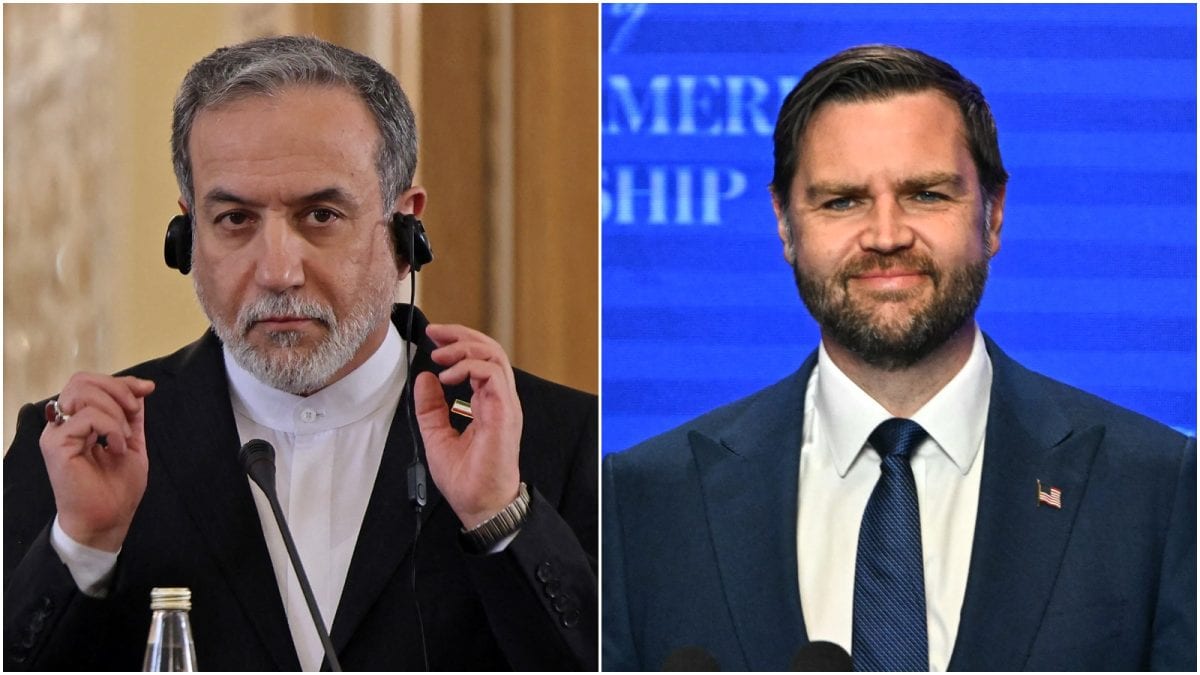
On the Iranian side, the delegation is being headed by Parliament Speaker Mohammad Bagher Ghalibaf and Foreign Minister Abbas Araghchi. They are accompanied by Dr. Reza Amiri Moghadam, who serves as Iran’s Ambassador to Pakistan, and a few other senior officials. This lineup is significant because it represents the highest‑level engagement that the United States and Iran have had since the 1979 Islamic Revolution.
Seeing Mohammad Bagher Ghalibaf and Abbas Araghchi step out of their aircraft was a moment that reminded me of the state visits we see back home – that solemn procession, the flag‑bearing guard, and the formal handshake that carries a lot of symbolism. Their mission, as far as I understood, is to discuss the regional situation, especially the ongoing ceasefire, and to gauge Pakistan’s stance on the matter.
The Iranian delegation’s first‑phase meetings are reportedly set to happen with Pakistani security and foreign affairs officials. They will talk about the broader West Asian conflict, the delicate ceasefire, and the ways Islamabad can help keep the peace line intact.
Separate meetings – Why the need for a step‑by‑step approach?
Both delegations have been instructed to hold separate meetings with Pakistani officials before any joint session. The rationale behind this, according to sources close to the foreign ministry, is to allow each side to present its perspective without the immediate pressure of the other party listening in. It’s a bit like when we discuss a sensitive family issue with each parent separately before bringing everyone together.
Pakistani officials, acting as hosts, will listen to the US delegation’s concerns about the ceasefire and regional stability, then turn to the Iranian delegation to hear its viewpoint. This sequential approach is meant to build a bridge, reduce misunderstandings, and ensure that when the joint meeting finally happens, both sides have already aired the most contentious points.
From what I gathered, the Pakistani side hopes that these preliminary discussions will uncover any hidden red‑lines, so that the final joint meeting can focus on solutions rather than rehashing old grievances.
The anticipated joint meeting – What’s at stake?
The joint meeting between the US delegation and the Iranian delegation is expected only after both have completed their separate talks with Pakistani officials. This meeting is more than just a diplomatic formality; it is seen as a potential turning point for the fragile ceasefire that has held so precariously over the West Asian conflict.
For the United States, the joint meeting is an opportunity to convey its concerns directly to Iran, to discuss de‑escalation measures and to push for a more durable peace. For Iran, it is a chance to articulate its security needs, to address the United States’ accusations, and perhaps to find common ground on humanitarian issues.
The fact that this is the highest‑level engagement since 1979 makes the stakes even higher. Both sides understand that any misstep could reignite tensions, while a successful dialogue could open doors for future cooperation, however limited.
Personal observations – The human side of high politics
Being in Islamabad during this period, I saw the human side of these high‑profile meetings. Junior officers in the foreign ministry were frantically making coffee, checking translation equipment, and arranging seating charts. The senior officials, despite their stature, seemed a bit weary – a sign perhaps that they know how delicate these talks are.
I also noticed how the Pakistan media covered the arrivals. Reporters from local newspapers were lining up with microphones, shouting out names like Jared Kushner and Mohammad Bagher Ghalibaf as if they were movie stars. The buzz reminded me of how we discuss IPL scores – everyone wants the latest update, and every piece of information feels crucial.
What struck me most was the quiet moments: a brief pause before a press conference, a whispered conversation between a Pakistani official and a US delegate, a shared glance between two Iranian officials. Those small gestures, to me, revealed the underlying tension and the hope that both sides are looking for a way forward.
Why Pakistan’s role matters
Pakistan’s position as the host for these talks is not accidental. Geographically, Islamabad sits close to the Afghan border and has historically acted as a bridge between the West and the Islamic world. The Pakistani officials have been trying to balance their own strategic interests while offering a neutral ground for dialogue.
From the Indian viewpoint, we watch keenly because any shift in the ceasefire dynamics could have ripple effects across the region – from Afghanistan to the Arabian Sea. Pakistan’s ability to keep the talks constructive can influence not just US‑Iran relations, but also broader South Asian security calculations.
In my own conversations with a few diplomatic officers, they emphasized that preserving the ceasefire is a shared responsibility. They stressed that the separate meetings are a way to ensure that both the US delegation and the Iranian delegation feel heard, which, in their view, is essential for a joint outcome.
Looking ahead – What could a successful joint meeting achieve?
If the joint meeting finally happens and yields positive results, we could see a few concrete outcomes. Firstly, a reaffirmation of the ceasefire terms, with both the US delegation and the Iranian delegation aGreeing to monitor violations more closely. Secondly, a possible framework for humanitarian aid to reach affected civilians in the conflict zones, something that both sides have hinted at wanting.
Another potential result could be a channel for back‑channel communication – a hotline or a regular diplomatic contact that prevents misunderstandings from escalating into larger confrontations. Finally, a successful joint meeting could set a precedent for future trilateral discussions, perhaps involving other regional powers.
But I also recognise the challenges. Both delegations have deep-rooted mistrust, and the fragility of the ceasefire means any small incident could derail progress. That’s why the separate meetings, as tedious as they may seem, are essential groundwork.
Conclusion – A cautious optimism from the ground
Watching the US delegation and the Iranian delegation navigate their separate meetings with Pakistani officials has given me a front‑row seat to a rare diplomatic experiment. The step‑by‑step approach, the high‑level names, and the heavy security all point to a serious effort to keep the fragile ceasefire intact.
While I do not pretend to know how the talks will end, I feel cautiously optimistic. The fact that both sides have aGreed to meet in Islamabad, to talk first with a neutral host, shows a willingness to engage. If these talks can translate into a joint meeting that produces tangible aGreements, it could be a small but significant step towards regional stability.
For now, the corridors of the foreign ministry are buzzing, the coffee is still being refilled, and the world watches – albeit from a distance – as diplomatic wheels keep turning in Islamabad.