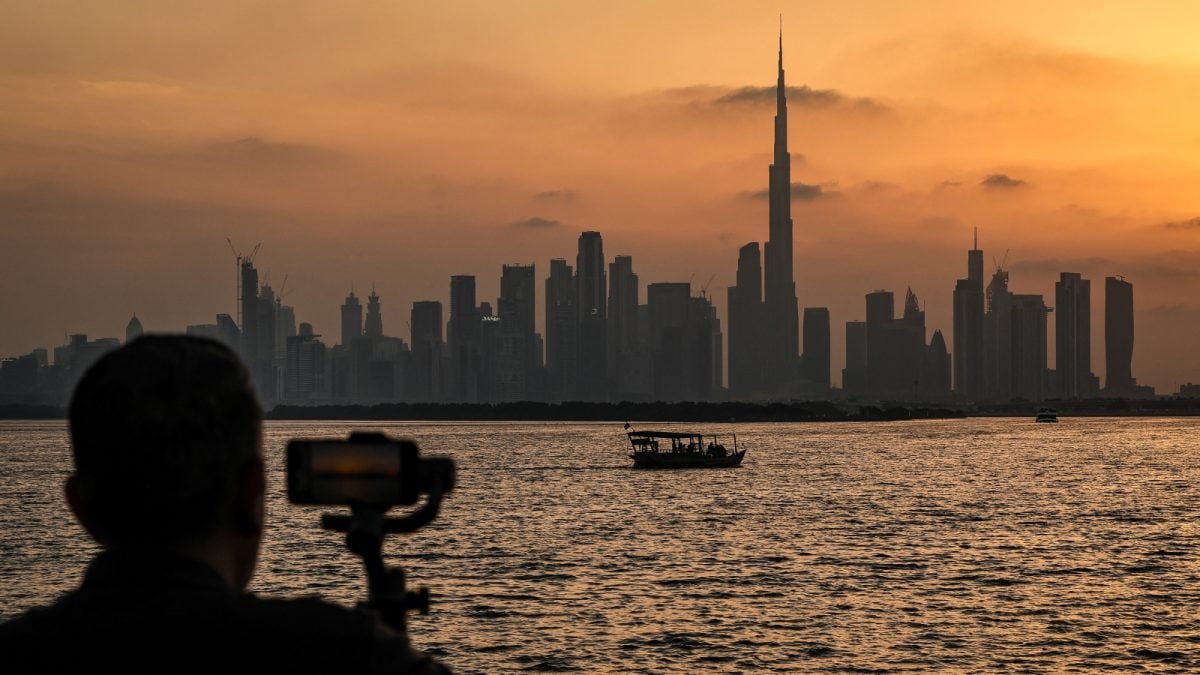
The pause comes amid a fragile two‑week ceasefire between the United States and Iran, raising cautious hopes of a broader de‑escalation in the region.
Honestly, when I first heard that the Gulf states – United Arab Emirates, Saudi Arabia, Qatar, Kuwait and Oman – were reporting no Iranian missile or drone activity on a Thursday, I felt a strange mix of relief and disbelief. I mean, for more than a month now the news channels have been filled with footage of missile alarms, sirens wailing in shopping malls, and families huddling behind curtains, hoping the sky would stay clear. So to hear that the air was finally quiet was like a breath of fresh air after being stuck in a stuffy room.
Let me take you back a little. The war began at the tail end of February. Since then, every day seemed to bring a fresh report of an Iranian strike somewhere in the Gulf. The pattern was almost robotic – a missile here, a drone there – and each time the defence ministries of the Gulf countries would release numbers that sounded like they belonged in a sci‑fi movie: hundreds of missiles, thousands of unmanned aerial vehicles, countless interceptions.
Living in Delhi, I don’t get to see these missiles cross the sky, but the ripple effects touch us all. My cousin works for an airline that routes flights through Dubai and Doha. He told me how the airlines had to constantly re‑route around potential threat zones, adding hours to travel time and hiking up ticket prices. On the ground, my sister, who runs a small boutique in Muscat, recounted how the power cuts that followed a few strikes forced her to close shop early, losing a day’s worth of sales. These personal stories are the real backbone of the numbers we keep hearing about the conflict.
Why this pause matters
In most cases, a pause like this isn’t just about the absence of missiles. It signals a shift in the wider strategic dance between the United States and Iran. Both sides have been locked in a fragile cease‑fire for about two weeks now. The cease‑fire itself is like a tightrope – one wrong step and the whole thing could collapse.
What’s interesting is that the United Arab Emirates’ defence ministry actually posted a statement on a social platform, saying that the country was “free of any air threats” on the reported day. They added that their air‑defence systems did not detect any ballistic missiles, cruise missiles, or UAVs launched from Iran in recent hours. This is the first time such a clean report has come from any Gulf nation since the hostilities began.
As a Delhiite who follows defence news on the side, I noticed the wording was very official – “free of any air threats”. It reminded me of the way our own Indian armed forces sometimes announce a “clear sky” after a monsoon storm. The gesture, however small, gives a sense of normalcy that people on the ground have been starved of for weeks.
The relentless barrage before the lull
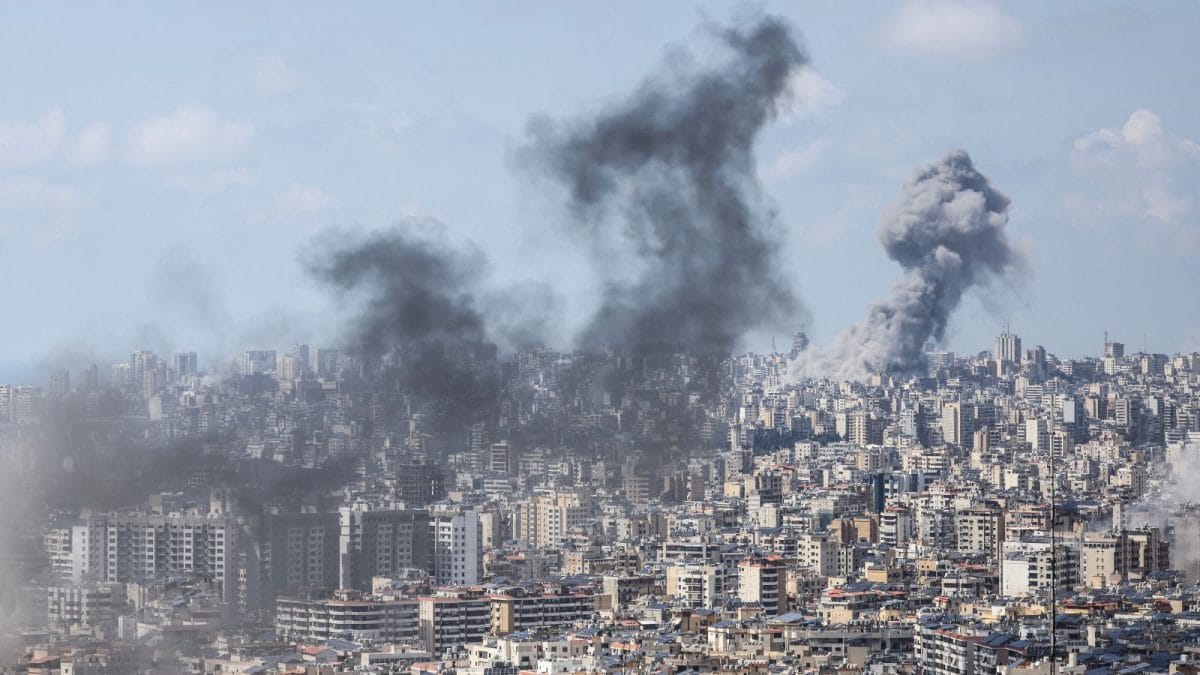
To appreciate the significance of this calm, you have to understand just how intense the barrage was. Over the past six weeks, Iran has launched hundreds of missiles and drones targeting what it describes as U.S. interests and allied nations in the Gulf. The United Arab Emirates alone has reported that its air‑defence systems have engaged a total of 537 ballistic missiles, 26 cruise missiles, and a staggering 2,256 UAVs since the conflict started.
When I was at a coffee shop in Karachi a few weeks back, the television was looping footage of a missile interception over the Persian Gulf. The commentator kept saying, “Another missile intercepted, another warning siren blares”. It felt like a relentless drumbeat that never stopped. Even the everyday chatter among locals turned to talk of “air alerts” and “safety drills”. People started keeping their own emergency kits – bottled water, a torch, a spare battery – just in case the next siren meant something more serious.
And it wasn’t just about the missiles. The drones, often smaller and harder to detect, added another layer of anxiety. In Oman, a farmer I once met mentioned that his cotton fields suffered damage from a stray drone that accidentally crashed near his farm during one of the attacks. The farmer said he never imagined a war would touch his fields, something he thought only happened in movies.
What the United Arab Emirates’ defence ministry said
In a short statement, the United Arab Emirates’ defence ministry wrote on a popular social platform that on the reported day, United Arab Emirates air‑defence systems did not detect any ballistic missiles, cruise missiles, or UAVs launched from Iran. The ministry also highlighted that since the start of the conflict, United Arab Emirates air defences have engaged a total of 537 ballistic missiles, 26 cruise missiles, and 2,256 UAVs.
Reading that, I could almost picture the control rooms – rows of screens, officers tapping commands, the constant hum of radar. The numbers they quoted are massive, yet they’re delivered in a matter‑of‑fact tone, almost as if the staff there are accustomed to counting threats like they would count the number of customers in a busy dhaba during lunch hour.
One thing that struck me was the lack of any panic in the wording. No “danger” or “emergency”. Just a clear statement of the current situation. That, I think, is exactly the kind of calm messaging that the general public in the Gulf needs right now to restore some sense of normal life.
How the pause feels on the ground
Imagine you’re in a city like Dubai, where the skyline is usually punctuated by the occasional sound of a fighter jet or the distant echo of an anti‑missile missile. For the past few weeks, that sound has been a constant background, like the hum of an air‑conditioner you can’t turn off. Then, one day, it stops. The city feels a little less tense, the streets a bit more lively.
My friend who lives in Abu Dhabi told me that he actually went out for an evening walk without checking the alert app on his phone. He didn’t feel the usual urge to look up at the sky. He said it was the first time in weeks he could enjoy the cooling breeze without worrying about a possible missile launch.
In Saudi Arabia, markets that had been closed early due to air‑raid warnings started staying open later. Vendors who had placed “closed” signs on their stalls began to set up shop again. The small ripple of economic activity is a sign that even a short pause can bring back a slice of normal life.
What the cease‑fire between United States and Iran means for the region
The cease‑fire itself is still very fragile. Both sides have said they are open to dialogue, but trust is low. The Gulf states are watching very closely because any escalation could drag them back into the conflict. The fact that United Arab Emirates, Saudi Arabia, Qatar, Kuwait and Oman have all reported no new air threats suggests that, at least for now, the cease‑fire is holding its ground.
From my perspective, living far away, I see this as a chance for diplomatic channels to really work. The world has seen enough of missile drills and drone swarms. If the pause can be turned into a longer period of peace, it could also mean fewer disruptions for trade routes that go through the Gulf – routes that are vital for India’s oil imports and for the entire South Asian economy.
In most cases, peace is a process, not an event. The current calm may be a stepping stone, but it won’t be the end of the story unless all parties keep the lines of communication open. It’s like when we have a family gathering – one pleasant conversation doesn’t solve all past disputes, but it does open the door for more dialogue.
Personal reflections on the broader implications
Being an avid follower of world affairs, I can’t help but reflect on how these regional tensions affect us back home in India. For instance, our airlines have to keep a close eye on Gulf airspace for safety, which in turn affects ticket prices and travel plans for countless Indians who work abroad or travel for pilgrimage.
Also, the Gulf economies are a major market for Indian workers and businesses. A stable Gulf means better job security for the millions of Indians who work there, and smoother trade for Indian exporters of textiles, spices, and engineering goods. The recent pause is, therefore, not just a local relief; it is a small beacon of hope for many Indian families with ties to the Gulf.
On a lighter note, I remember the first time I tasted authentic Emirati machboos at a restaurant in Mumbai. The chef told me his brother runs a restaurant in Dubai and had to close for a few days after a missile alert. Hearing that the city is finally “free of any air threats” made me smile, thinking that maybe soon his brother can reopen and serve that delicious rice dish again without fear.
Looking ahead – what to watch for
While the current silence is welcoming, analysts warn us to stay vigilant. The cease‑fire could break at any moment if either side perceives a threat or if a misunderstanding occurs. The Gulf states will continue to rely heavily on their air‑defence systems, which have already proved capable of intercepting hundreds of threats.
For ordinary people, the immediate concern is safety. That means keeping an ear to local alerts, staying informed through reliable news sources, and perhaps having a basic emergency kit ready – a habit that many families here in India have adopted during the monsoon season.
Overall, the fact that United Arab Emirates, Saudi Arabia, Qatar, Kuwait and Oman have all reported no Iranian missile or drone attacks on the same day is a modest but significant sign. It shows that the region can experience calm, even if just for a few hours, and that gives hope to anyone hoping for a longer, lasting peace.