Ather Energy surges more than 5 per cent to Rs 906.80, while JBM Auto rises over 2.5 per cent to Rs 626.85. Olectra Greentech also gains nearly 3 per cent to Rs 1,218.85.
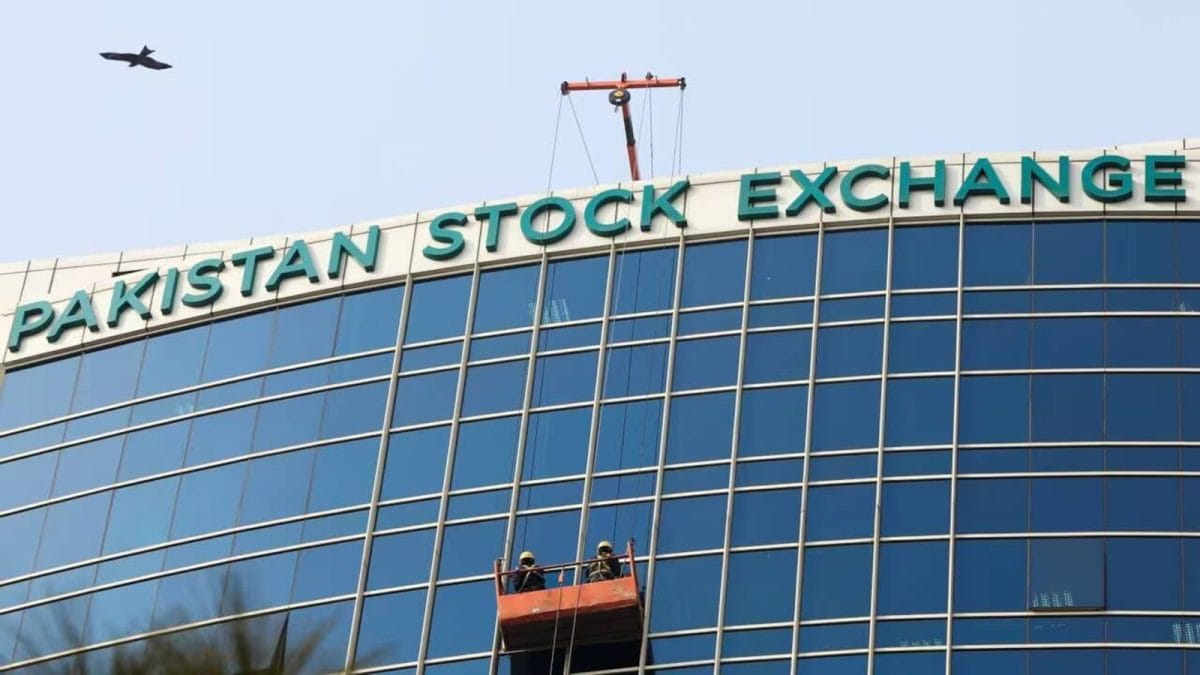
Honestly, when I saw the market numbers this morning, I could hardly believe my eyes. Ather Energy’s share price jumped by more than five percent, closing at Rs 906.80. JBM Auto wasn’t far behind – it climbed roughly two and a half percent to Rs 626.85. And Olectra Greentech managed a neat three‑percent rise, ending the day at about Rs 1,218.85. It felt like the whole bourse was echoing the buzz that’s been building on Delhi’s roads for months now.
What’s driving this sudden lift? It’s the draft EV policy that the Delhi government just put out for public comment. The policy is a clear sign that the city’s administration is serious about moving away from fossil‑fuel two‑wheelers and three‑wheelers. And the market, of course, reacts fast when it senses a supportive regulatory environment.
Policy Targets Fossil Fuel Vehicles
The draft, released a few days ago, outlines a phased ban on vehicles that run on petrol and CNG in the most used segments. In plain terms, it means that from the year 2028 onward, you won’t be able to register any new petrol‑powered two‑wheelers in Delhi. Similarly, from 2027 onward, the registration of fresh CNG three‑wheelers will be stopped. The idea is to nudge both commuters and commercial operators toward electric alternatives.
Think about it – the majority of Delhi’s daily commuters zip around on two‑wheelers. A lot of my neighbours, for instance, own a classic 110cc scooter that churns out smoke every morning. If they can’t get a new petrol scooter after 2028, they’ll have to look at electric options, and that’s where companies like Ather become extremely relevant.
The policy also points out that high‑usage vehicles such as three‑wheelers, commercial cars, and goods carriers are responsible for a disproportionate share of the city’s emissions. By targeting these segments, the draft hopes to clean up the air that has been a constant source of health worries for Delhiites.
Public Feedback Open Till May 10
Right now, the draft is out for public and stakeholder feedback for about a month. The authorities said they will wrap up the consultations after 30 days. I tried to skim through the document myself – it’s quite dense, but the gist is clear: they want everyone’s voice, from vehicle owners to fleet operators, to shape the final rules.
Seeing ordinary people like shopkeepers and auto‑rickshaw drivers get a say feels reassuring. After all, the real impact will be felt on the ground, whether it’s a college student choosing an electric scooter for his campus rides or a rickshaw driver weighing the cost of converting his three‑wheeler.
Incentives Focus On Tax Relief, Not Direct Subsidies
One of the things that caught my eye was the way the policy handles incentives. Instead of offering direct cash subsidies for buying an electric car, the draft proposes a complete waiver on road tax for electric vehicles. For hybrid cars priced up to Rs 30 lakh, the road‑tax charge would be cut by half.
From a buyer’s perspective, that’s a decent benefit. Imagine you’re buying a new electric car – you’d normally pay a road‑tax amount that could be a few thousand rupees each year. With a full waiver, that cost disappears, making the total cost of ownership lower in the long run.
For hybrids, a 50 percent tax concession is also attractive, especially for those who aren’t ready to go fully electric but still want better fuel efficiency. It’s a pragmatic approach, focusing on tax relief rather than direct cash hand‑outs, which could be more sustainable for the state’s finances.
Delhi Chief Minister Rekha Gupta said the draft policy is a big step toward a clean, accessible, and sustainable transport system. She highlighted extensive financial incentives, tax exemptions, mandatory provisions, and infrastructure development. It all sounds very promising, but the real test will be how quickly these measures translate into actual charging stations and affordable electric bikes on the streets.
Companies In Focus
Now, let’s talk about the three companies that spiked in the market – Ather Energy, JBM Auto, and Olectra Greentech. Each of them is playing a distinct role in the EV ecosystem.
Ather Energy is known for its sleek electric scooters aimed at urban mobility. Their scooters, like the Ather 540, come with a smart dashboard, fast charging capability, and a network of fast‑charging stations called Ather Grid. Personally, I’ve seen a few Ather scooters whizzing past the office parking lot, and the design feels very futuristic compared to the usual 100‑cc riders.
JBM Auto is a bit different. While it does make some components for two‑wheelers, its big push is into electric buses and other public‑transport solutions through its EV arm. For a city like Delhi, where the bus network is the lifeline for millions, a shift to electric buses could cut down on both noise and emissions significantly.
Olectra Greentech focuses mainly on electric buses, but it’s also branching out into electric trucks and other commercial vehicles. Their presence in the commercial EV segment means they could benefit from policies that target heavy‑duty vehicles, like goods carriers that currently run on diesel.
Seeing these stocks climb gives investors a hint that the market expects these firms to benefit from the upcoming regulatory changes. For ordinary folks, it could also mean more options for clean rides as the city pushes forward.
How This Might Change Daily Life in Delhi
Let’s bring this down to the street level. Imagine you’re a delivery boy who uses a CNG three‑wheeler to zip around in Old Delhi. By 2027, you won’t be able to register a new CNG vehicle, and you may face higher operational costs due to rising fuel prices. The draft policy, however, hints at better infrastructure for electric three‑wheelers – more charging points, possibly lower maintenance.
Or think of a college student who commutes on a two‑wheeler. By the time he graduates and looks to replace his old petrol scooter, the market will likely have a wider range of electric scooters at competitive prices, thanks to tax exemptions and the growing charging network.
Even for families that own a car, the hybrid tax break could make the switch a little easier. A family buying a hybrid sedan priced under Rs 30 lakh would see their road‑tax bill cut in half, which is a tangible saving that adds up over years.
These changes could also impact traffic flow. Electric vehicles are generally quieter, and with fewer noisy combustion engines on the road, the overall ambience of busy streets might improve. Not that we’ll suddenly have silence, but the reduction of constant engine noise could be noticeable.
Potential Challenges Ahead
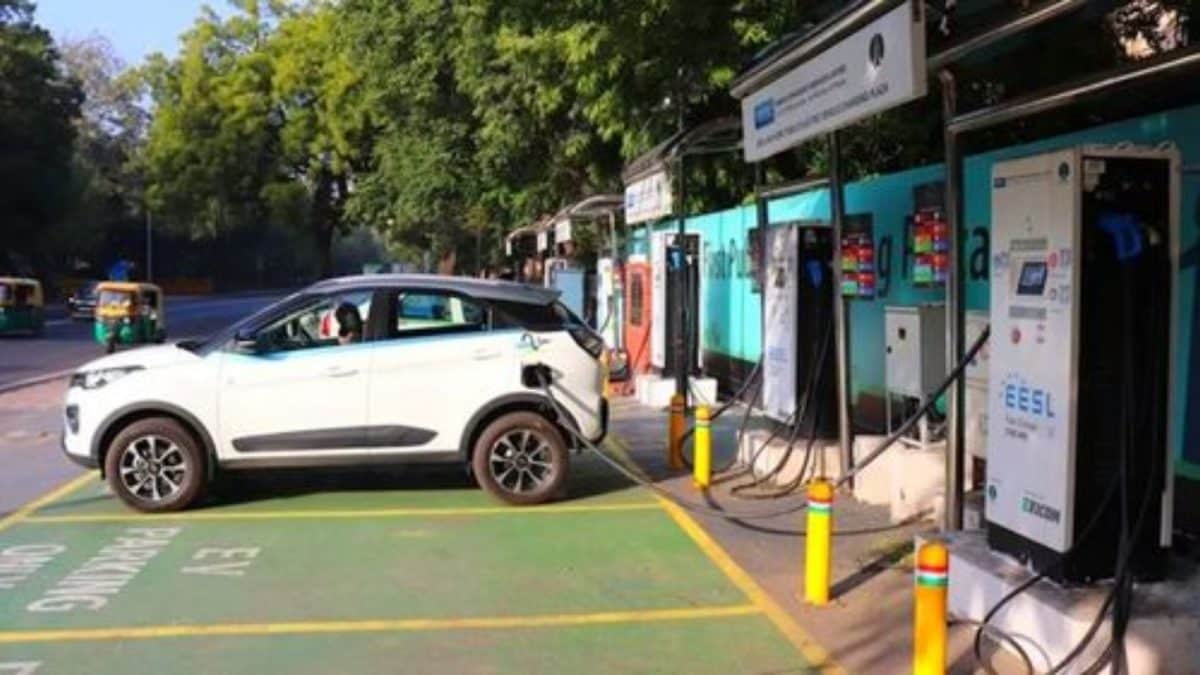
Of course, every policy comes with its own set of challenges. One big question is the readiness of charging infrastructure. While Ather Grid is expanding, the sheer number of two‑wheelers in Delhi means we’ll need thousands of fast‑charging points across the city. It’s a massive logistical task.
Another concern is the cost of switching for existing vehicle owners. Even with tax waivers, the upfront price of an electric scooter can be higher than a cheap 100‑cc petrol model. For a daily‑wage worker, that price gap can feel daunting.
There’s also the matter of battery disposal and recycling. As the number of electric vehicles increases, we’ll need robust systems to handle used batteries safely. The policy briefly touches on sustainability, but the practical implementation will require coordination between manufacturers, waste‑management firms, and the government.
Finally, we have to watch how the feedback period shapes the final policy. If stakeholders push for more direct subsidies or faster rollout of charging points, we might see tweaks before the final version is locked in.
What I Expect in the Near Future
Looking ahead, I’m optimistic but cautious. The market reaction indicates that investors believe the policy will create a fertile ground for EV manufacturers. For the average citizen, the real benefit will be seen when electric scooters become as affordable as the old petrol models we’re used to.
I think we’ll start seeing more electric rickshaws on the streets of Lajpat Nagar and Karol Bagh within the next couple of years, especially as fleet operators look to cut down on fuel costs. The government’s push for a cleaner environment will likely spur local workshops to get trained on electric vehicle maintenance, creating new job opportunities.
On the policy front, I hope the final version includes clear timelines for expanding charging stations in residential colonies, because most Delhiites charge their vehicles at home. A reliable home‑charging setup could make the transition even smoother.
All in all, this draft policy feels like a turning point. It’s not just about numbers on the stock exchange; it’s about how our everyday commutes might look a few years down the line. And if the government, manufacturers, and the public all play their part, we could soon be hearing fewer engine roars and more quiet whirrs of electric motors on the busy lanes of Delhi.