How the night turned from a simple walk to a violent clash
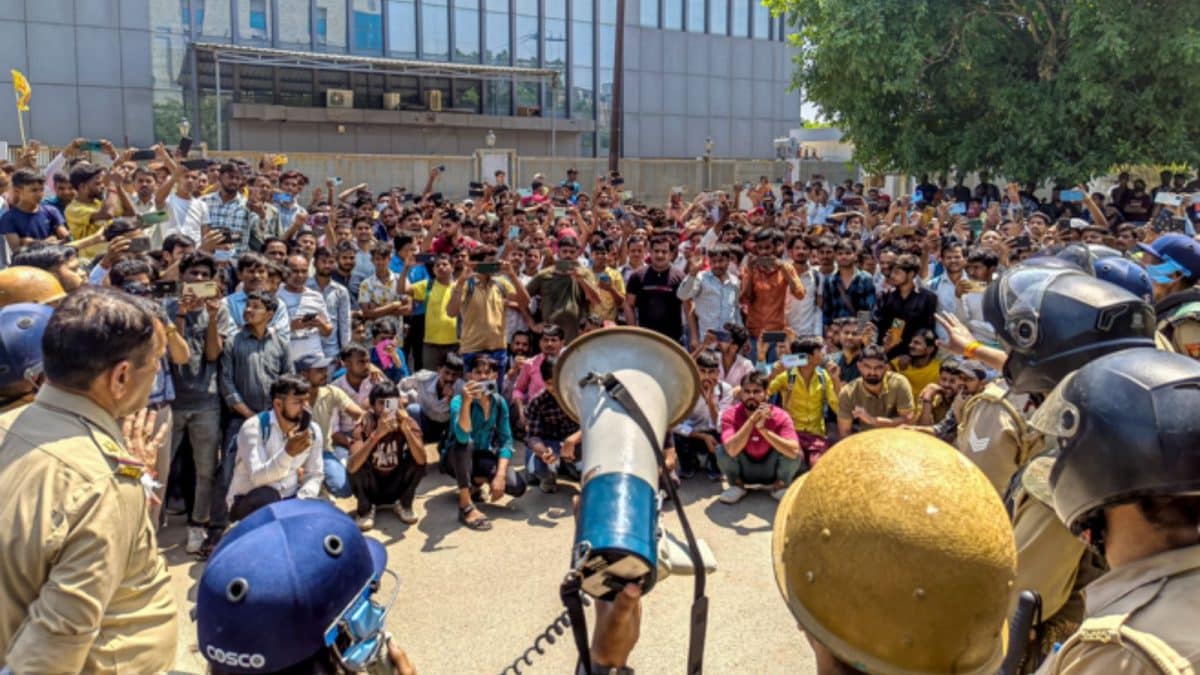
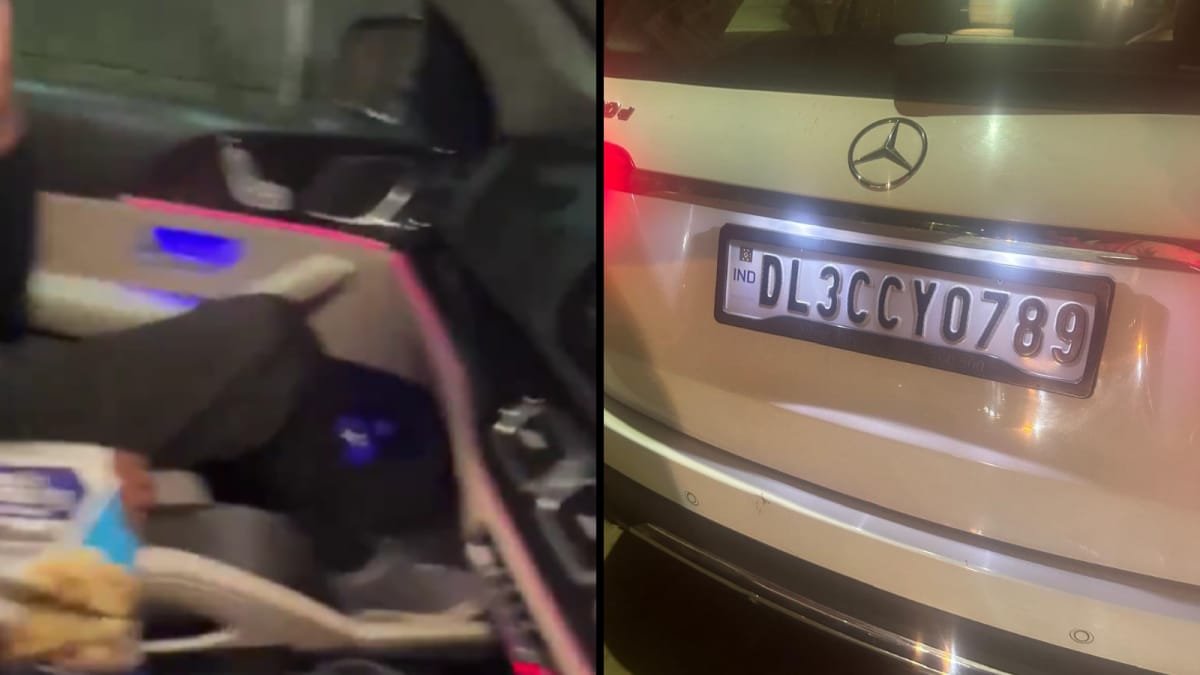
Honestly, I was scrolling through my X feed when I first saw the post by Ashok Bijalwan – a submariner veteran who’s also pretty vocal about strategic affairs. He wrote that an Army Brigadier and his son were assaulted in Vasant Enclave after the officer asked two men to stop drinking inside a parked car. At first, I thought it was just another rumor, but the details kept coming, and soon it became part of the breaking news that everyone was sharing. The whole thing happened at around ten in the night. The Brigadier, a senior officer with years of experience on the Line of Control, was out for a casual stroll with his son – the son is an IIT graduate, so you can imagine the pride. They were near their residential complex when they noticed two young men sitting inside a car, clearly drinking and making a mess in public. The Brigadier, being the responsible citizen he is, politely asked them to stop. What happened next? Well, the two men didn’t take kindly to being called out. Instead of apologising, they called their friends. Within a few minutes, a convoy of vehicles arrived, and a group of about eight to ten people surrounded the officer and his son. The situation escalated fast – the attackers started pounding on the Brigadier’s son, leaving him with visible injuries, while the officer himself was pushed and manhandled. It was raw, it was chaotic, and it was the kind of thing that makes you wonder how safe any of us feel walking in our own neighbourhoods.
What the witnesses said – a glimpse into the chaos
People on X were quick to share what they saw. Bijalwan’s tweet said the assault was brutal: “Upon objecting to this act of illegal public drinking, the situation escalated. The individuals called for additional support, and soon 7–8 more men arrived in multiple vehicles. These men proceeded to assault the Brigadier’s son, causing significant injuries, and also manhandled the Brigadier himself.” Then there was a post from Danvir Singh, who claimed he spoke directly with the Brigadier. According to him, the attackers were “antisocial elements” who stabbed at the officer’s sense of duty. He added that the Brigadier, who has served in Kashmir and along the LoC, never imagined such a scene at his own home. He felt the police turned into a “mute spectator”. That line – “mute spectator” – caught attention because it summed up a sentiment many Indians have felt lately: that law enforcement sometimes stands by while the common man is left to fend for himself. The story quickly turned into viral news, spreading across WhatsApp groups, Facebook, and other platforms. Everyone was asking: Where were the police when the attack happened?
The police response – or lack thereof
According to the accounts, a 112 call was made as soon as the assault started. A police vehicle reportedly reached the spot, but the officers inside did not intervene. Some users on social media suggested the police simply observed the incident, perhaps fearing the mob. This inaction sparked outrage, with many labeling it as a dereliction of duty. When the family reached Vasant Vihar Police Station later, the story got even messier. The complaint was initially not registered, and immediate medical assistance was denied. Imagine being injured, and the very people who should help you are turning you away! Eventually, after a lot of back‑and‑forth, the authorities filed an FIR. Colonel Singh, a close associate of the Brigadier, described the FIR filing as “a glimmer of hope”, because now there’s a formal record that can be used to take the culprits to court. The fact that this whole episode is now trending news India shows how much people care about accountability. It also highlights the gap between what citizens expect from the police and what they sometimes receive.
Why this incident matters – beyond the personal story
Let’s step back a bit and think about why this case is becoming part of the trending news India landscape. First, it involves a senior army officer – a figure who usually enjoys respect and deference. When even a Brigadier can’t feel safe in his own neighbourhood, it sends a powerful message about the state of public order. Second, the incident revolves around public drinking, which is illegal in many parts of Delhi. The Brigadier’s simple act of confronting the wrongdoing turned into a violent backlash. That’s a reminder that while laws exist, enforcing them on the street can be risky without police backing. Third, the police’s alleged non‑intervention adds fuel to the ongoing debate about law enforcement reform in India. Many people are now demanding better training, quicker response times, and a zero‑tolerance policy for mob violence. The story is being used by activists and journalists as evidence of the system’s shortcomings. Lastly, the viral spread of this news shows the power of social media in shaping public discourse. Within hours, the incident was circulating as breaking news, prompting citizens from Delhi to Delhi to Ahmedabad to share their own experiences with similar police inaction. It’s a clear example of how a local incident can become a national conversation – something that truly reflects the pulse of the internet age. In short, this isn’t just a personal tragedy; it’s a flashpoint that might help drive change, if the right people pay attention.
What happened next – the legal steps and public reaction
After the FIR was finally lodged, the family’s lawyer informed the media that the investigation would now be in the hands of the Delhi Police Crime Branch. They hope that the CCTV footage from nearby streets and the testimonies of the few eyewitnesses will help identify the attackers. What’s interesting is how many people on Twitter and X started asking for CCTV footage. Some local residents even posted videos they said were taken from inside their apartments. The footage showed a group of men in dark clothes, some with masks, converging on the two victims. That visual evidence added another layer to the story, making it even more compelling as trending news India. Meanwhile, a number of NGOs focusing on victims’ rights posted statements condemning the incident and urging the authorities to protect senior citizens and defence personnel. They also called for a review of police protocols when it comes to responding to mob violence. The public response has been overwhelming. In many online forums, you’ll find threads titled “Do we feel safe in our colonies?” where users share similar experiences – from petty theft to outright assaults. The discussion has turned into a broader debate about community policing, the role of citizen vigilance, and the need for stricter enforcement of public drinking bans. It’s safe to say that the incident has taken on a life of its own, becoming a piece of viral news that’s being discussed in coffee shops, office breakrooms, and even in family gatherings across the country. The title “Brigadier’s Evening Walk Turns Nightmare” may sound dramatic, but it perfectly captures the shock and disbelief many Indians feel when such a thing happens close to home.
Personal reflections – why I keep talking about it
Honestly, I keep coming back to this story because it hits close to home. I live in South Delhi, and the streets around Vasant Enclave are usually calm. You see families walking their dogs, children playing, and occasional street vendors selling chaat. The idea that a senior army officer can be assaulted over a simple request to stop drinking feels surreal. It makes me think about the kind of environment we want for our kids. If an officer of the Indian Army can’t even walk safely at night, what does that say about the safety of a child walking home from school? It’s a question that many parents are asking right now, and that’s why this story has become part of the latest news India that we can’t ignore. I’ve also spoken to a few neighbours who said they’ve seen similar gatherings of people drinking in cars, especially during festive seasons. They mentioned that usually they just ignore it, but this incident shows that ignoring can sometimes lead to bigger problems. It’s a bit of a paradox – we want to keep the peace, but we also don’t want to become silent witnesses to illegal activity. In the end, the hope is that the investigation leads to a fair outcome, that the attackers are brought to justice, and that the police take a hard look at how they respond to such emergencies. Until then, this story will continue to be part of the breaking news that shapes how we think about safety, law enforcement, and community responsibility in India.