How It All Began – A Protest Turned Raw
Honestly, I was just heading out for a quick chai with a friend when I heard the chatter on the radio. It was the kind of breaking news you hear every now and then – factory workers in Noida were marching against low wages. The news crew said the agitation had started peacefully, with workers chanting slogans and holding placards demanding a decent salary hike.
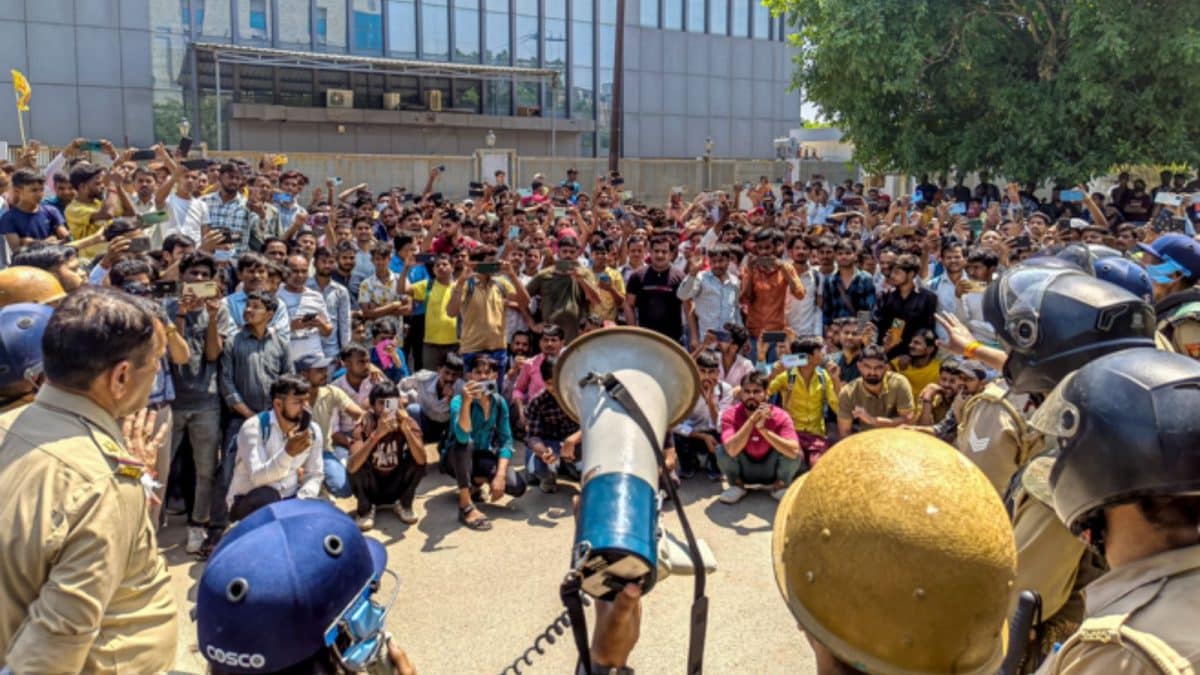
What surprised many of us, including me, was how quickly the mood shifted. Within a short span, the protest turned violent in a few pockets. Stone‑pelting began, and before you could say ‘India updates’, police had already started firing tear‑gas shells to disperse the crowd. The whole scene felt like something out of a movie – smoke, shouting, and a lot of bewildered onlookers trying to figure out what was happening.
The Fiery Incident at Vipul Motors
When the crowd reached Sector 63, things escalated dramatically. A group of agitated workers set fire to Vipul Motors, a well‑known car showroom in that area. You could actually see the flames licking the metal of parked vehicles, and the whole place quickly turned into a chaotic inferno. The fire didn’t just stay confined to the showroom; several cars parked inside were also set ablaze. It was a sight that made the whole protest go viral, and soon every social media feed was buzzing with videos of the blaze.
What caught people's attention wasn’t just the fire itself, but the fact that a commercial establishment was targeted amidst a wage dispute. Many locals were left bewildered – why a car showroom? Some speculated it was because the showroom represents the kind of corporate wealth that workers feel is out of reach.
Police Response and the Chaos on the Roads
As soon as the fire spread, police units rushed to the site. They deployed tear‑gas canisters to try and control the mob, and you could see constables forming a human barrier around the burning showroom. The atmosphere was tense – you could hear the sound of sirens, the cries of the protesters, and the crackle of the fire all at once.
Because of the unrest, traffic movement in both Delhi and Noida faced severe disruption. I remember trying to navigate through the streets and finding every major artery blocked by police barricades and angry crowds. Even the regular commuters were stuck, honking, and trying to find alternate routes. It was a classic case of how a local protest can quickly affect urban mobility for thousands of people.
What the Workers Are Demanding – The Wage Gap Issue
The heart of the protest is basically a demand for a “significant hike in minimum wages”. Workers pointed out that salaries in Uttar Pradesh are lagging behind those in neighbouring states. The recent move by the Haryana government to increase monthly wages by around 35 per cent was thrown up as a benchmark. Labourers in Noida feel they are earning considerably less for similar work, and that’s fuelling the resentment.
Besides the basic wage hike, the protesters are also raising a few other issues that are pretty common across factories. They want proper overtime compensation, a guaranteed weekly off, and an annual bonus that actually reflects their hard work. Safety is another big concern – many have complained about unsafe working conditions and the lack of effective grievance redressal mechanisms within the factories.
In most cases, you’ll find that these demands are not new, but the intensity of the agitation suggests that the workers have reached a tipping point. When I chatted with a few locals, they told me that many families depend on these wages for basic needs like school fees and medical expenses, so even a small increase can make a big difference.
Broader Context – Why This Is Trending Across India
This incident quickly turned into one of the trending news India articles on many platforms. It’s not just about Noida; it reflects a larger sentiment brewing across the country’s industrial belt. Workers in various states feel that the wage policies are outdated and don’t match the rising cost of living.
What’s interesting is that after the Haryana wage hike, several other states have been pressured to reconsider their salary structures. The Noida protest could be a catalyst for a wider conversation on wage parity. In fact, many political analysts say that this could spark a series of negotiations in other industrial hubs like Gurgaon, Faridabad, and even the manufacturing zones in Maharashtra.
In my experience, whenever there is a viral news story about labour unrest, it tends to bring the issue into the public domain faster. Social media users started sharing clips of the fire, the stone‑pelting, and the tear‑gas, which only added fuel to the fire – literally and figuratively.
Authorities’ Stance and The Way Forward
Government officials have said they are ready to engage in dialogue with the workers. They claim that they are looking at the concerns seriously and will try to come up with a balanced solution. However, the intensity of the protests suggests that the workers are not willing to wait for lengthy bureaucratic processes – they want swift, tangible outcomes.
What happened next is interesting: in most cases, after such high‑profile incidents, there’s an immediate push for a temporary settlement to calm the situation, followed by a more structured negotiation. Whether that will happen here remains to be seen. Meanwhile, the local community is still dealing with the aftermath – cleaning up the fire‑damaged showroom, restoring traffic flow, and addressing the concerns of shop owners whose businesses were affected.
Personal Takeaway – Why This Matters To Everyone
From my perspective, this whole episode is a stark reminder that economic issues are never isolated. When a group of workers feels unheard, it can spill over into public spaces, affecting everyday commuters, local businesses, and the overall sense of safety. It also shows how quickly a local protest can become viral news, raising the stakes for authorities to act responsibly.
In most cases, people ignore wage disputes happening far from their own neighborhoods. But once a car showroom catches fire and traffic snarls for hours, it becomes a story that reaches every kitchen table, every office conversation, and every news feed. That’s why keeping an eye on latest news India is essential – it tells us not just what’s happening, but why it matters for the larger socio‑economic fabric of our country.