What the numbers say – a quick look
Okay, so I was scrolling through the latest news India feeds on my phone when I saw that the CPI‑based retail inflation has inched up to 3.4% in March. It’s a tiny jump from the 3.21% we logged in February, but that little shift matters when you’re trying to understand the cost of living.
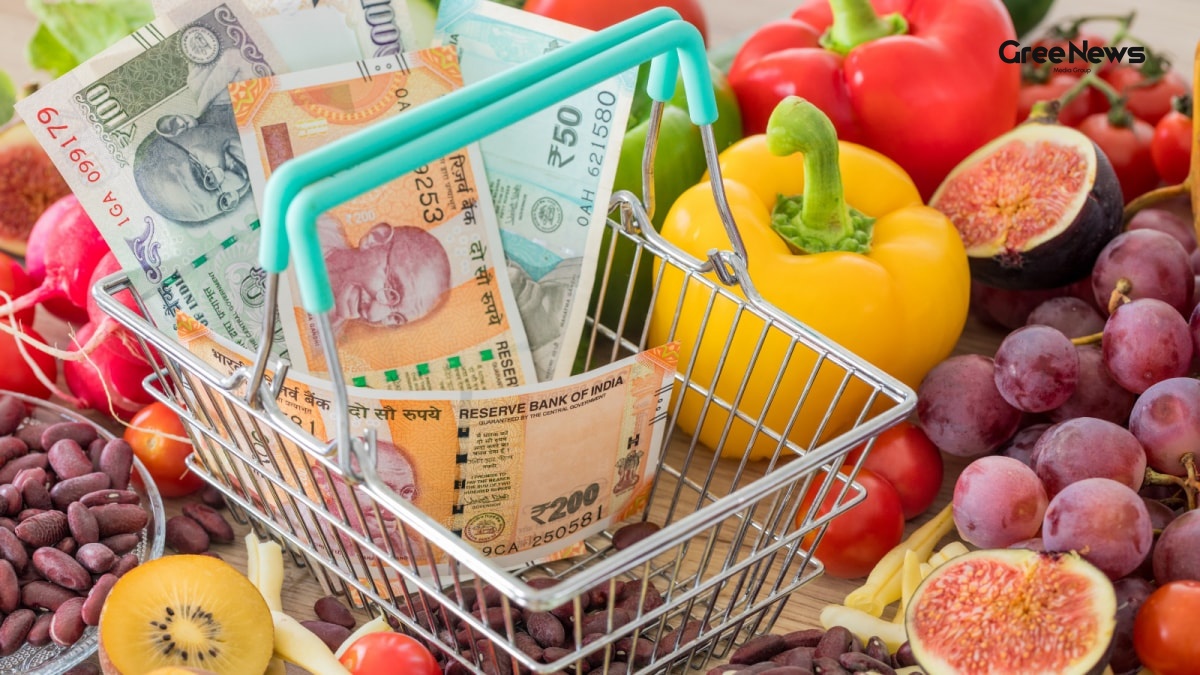
What caught my eye was the food price part – it’s now at 3.87% compared with 3.47% a month earlier. Rural areas are feeling a bit more pressure at 3.63%, while the cities are a tad calmer at 3.11%.
These figures are part of the regularly released Consumer Price Index (CPI) data, and they’re the kind of breaking news you hear on the radio, in newspapers, and of course, on the trending news India feeds on social media.
Why food and fuel are the main culprits
Now, let me tell you a little story from my kitchen. The other day I was buying tomatoes and a bottle of cooking oil, and the prices seemed a bit higher than usual. That’s not a coincidence – economists say the rise in food inflation is the primary driver behind the overall number ticking up.
Alongside that, the cost of electricity, gas and other fuels also nudged the headline figure. The world’s focus on the West Asian crisis has made LPG and other alternate fuels a bit dearer, and that ripple effect is showing up in our utility bills.
Think about it: when the price of a litre of LPG goes up, the restaurants we frequent feel the squeeze, which eventually makes the same dish cost a little more when we order it. That’s the kind of viral news that spreads quickly because it hits right at our wallets.
Aditi Nayar’s take – the economist’s viewpoint
Speaking of experts, Aditi Nayar, Chief Economist at ICRA Ltd., gave a clear picture. She said the headline CPI inflation rose slightly to 3.4% in March, which matched ICRA’s own forecast. In her words, this shows a “mild initial impact of the West Asian crisis on the headline number”.
She added that the core CPI – which strips out food, beverages, and fuel – stayed steady at 3.4% during the same period. That tells us the underlying price pressures are not exploding yet, but they’re humming along.
What really got my attention was her warning that food‑and‑beverage (F&B) inflation could climb above the 4% threshold in April, driven by vegetables, edible oils, and readymade foods. She also highlighted that the unrest in West Asia would keep feeding into the prices of alternate fuels, airfares (thanks to higher ATF prices), and restaurant bills (because of pricier commercial LPG). All of that, she says, could push the headline CPI past the 4% mark, nudging it into the upper half of the Reserve Bank of India’s medium‑term target range.
This is exactly the kind of nuanced analysis you often miss in a quick headline, but it’s crucial for anyone who’s trying to plan a budget or even just wonders why the price of a packet of biscuits is creeping up.
What could happen next? A look ahead
If you’re wondering about the next steps, the same economist hinted that the inflationary pressures could intensify in the near term. The expectation is that the F&B segment will cross the 4% line in April, and the impact of the West Asian turmoil will continue to flow into several cost components – from alternate fuels to airline tickets.
Imagine you’re planning a family vacation in the next few months. Higher ATF prices mean airlines could bump up their ticket rates, while the cost of meals at the airport or roadside dhabas may also see a lift. That kind of secondary effect, or “second‑order pass‑through”, is what economists keep an eye on because it subtly chips away at disposable income.
What’s interesting is that while the headline number might breach 4%, the core CPI could stay relatively calm, suggesting that the spike is largely fuelled by volatile items like food and energy rather than a broad‑based price surge across all goods.
RBI’s likely stance – staying the course
Upasna Bhardwaj from Kotak Mahindra Bank gave her perspective on what the Reserve Bank of India (RBI) might do. She said the CPI inflation came in line with expectations and that the trend looks set to keep moving higher. However, she also warned about risks from a weak monsoon and the “second‑order pass‑through” of higher input prices, as well as a weakening rupee.
Her take? The RBI is likely to maintain a “stay‑put” approach for now, keeping the policy rate unchanged while it watches how the balance of risks plays out between growth and inflation. In plain language – the central bank will probably hold its nerve, waiting for clearer signals before making any rate cuts or hikes.
This is the kind of breaking news that can be easy to miss if you’re only glancing at the top line, but it’s very relevant for anyone with a loan, a mortgage, or even a savings account that earns interest linked to policy rates.
How does this affect the everyday Indian?
Let me bring this home. Imagine you’re buying a kilogram of onions at the local market – the price you paid last month might be a few rupees higher now. You notice the same trend at the corner tea stall where a cup of chai costs a little extra. Those little changes add up, especially for families that spend a big chunk of their income on food.
If you travel for work or leisure, the rise in fuel and airline costs could make your trip a tad pricier. For those who rely on diesel generators during power cuts, the higher cost of LPG could bite into household budgets as well.
On the flip side, if you’re a farmer or a vendor, higher food prices might actually be a silver lining – you could fetch better prices for your produce. But for most of us, the net effect is a squeeze on the pocket, which explains why this topic has become a piece of viral news that’s making rounds on WhatsApp groups and social media feeds.
One practical tip I’ve started using is to keep a closer eye on the weekly price lists at local mandis and plan my grocery trips accordingly. If I see that certain vegetables are spiking, I try to switch to alternatives that are cheaper that week. Small adjustments can help manage the impact of rising inflation.
Wrapping up – what to watch for
So, to pull everything together: retail inflation nudged up to 3.4% in March, largely because of food and fuel price pressures. Experts like Aditi Nayar expect the F&B segment to cross 4% soon, while the RBI is expected to hold rates steady for now.
For the average Indian, this means keeping an eye on grocery bills, fuel prices, and even travel costs. It also means staying tuned to the latest updates, because the next wave of data could either ease the pressure or push it further.
If you’re following trending news India, you’ll notice that discussions around inflation are appearing more frequently in debates, podcasts, and even street‑side chai talks. That’s a sign that the topic is resonating with people from all walks of life – from students to retirees.
My personal takeaway? Stay alert, compare prices, and don’t be surprised if you see a slight increase in everyday expenses over the next few weeks. And, as always, share what you learn with friends and family – after all, information is the best tool we have to navigate these changes.