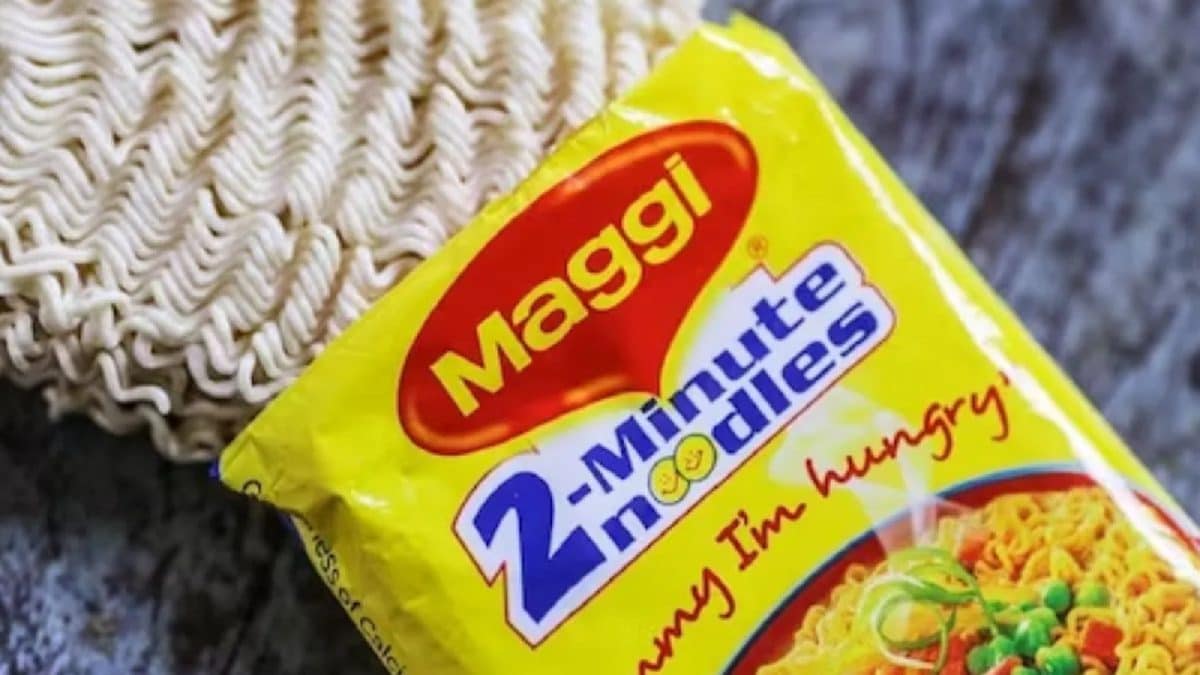
Maggi has successfully embedded itself into daily life, including after‑school snacks, late‑night hunger fixes, and quick meals during travel.
Honestly, when I think about my childhood, the first thing that pops up is the sound of water boiling and the smell of Maggi rising from the kitchen. I remember sneaking a packet into my school bag, hoping the teacher wouldn’t see it, and then sharing it with my friends during the lunch break. It wasn’t just a noodle – it was a little piece of comfort that fit into our hectic school days, our rainy‑day cravings, and even those long train journeys when we had to make do with whatever was handy.
Back in 2015, everything changed. Nestlé’s iconic brand Maggi faced its biggest crisis in India. A nationwide ban over safety concerns wiped out sales almost overnight. Fast forward to today, the same brand has staged one of the most remarkable comebacks in the FMCG sector. India is now Maggi’s largest market, with sales of nearly 16 million packets daily.
The 2015 Ban: A Sudden Fall From Grace
The trouble began when food regulators flagged alleged excess lead content and mislabeling of monosodium glutamate (MSG). Following this, multiple states imposed bans, and eventually, a nationwide recall was ordered. Shelves went empty, factories shut down, and a product that had become synonymous with convenience vanished.
For a brand that had built deep emotional and consumption habits over decades, the impact was unprecedented. Sales dropped to zero, and Nestlé India had to halt production and destroy large quantities of stock. I still recall the headlines screaming about the ban, and the sight of empty grocery aisles where Maggi packets used to sit like a reliable neighbour. It felt personal, as if a part of our daily routine had been taken away.
The Origins: Building a Market From Scratch
Maggi entered India in 1983, at a time when the concept of instant noodles was virtually unknown. It wasn’t competing with other noodle brands; it was competing with traditional staples like roti, rice, and poha.
Back then, my parents would still be preparing flat‑bread on a hot tawa, and the idea of a quick noodle meal sounded almost futuristic. The breakthrough came with positioning. Maggi wasn’t just marketed as food; it was sold as “instant comfort”. The famous “2‑minute” promise made it an easy choice for busy households, especially mothers looking for quick meal solutions.
The Power of the “2‑Minute” Promise
The simplicity of preparation became Maggi’s biggest strength. In just two minutes, it offered a hot, tasty, and filling option. Over time, this convenience translated into habit.
Think about those evenings when you came back from a long day of work, and the kids were already grumbling for a bite. A pot of water, a packet of Maggi, a pinch of masala, and you had a comforting bowl ready before the TV even turned on. That 2‑minute promise turned the noodle into a ritual – a quick fix that never felt cheap or compromising.
Maggi successfully embedded itself into daily life, including after‑school snacks, late‑night hunger fixes, and quick meals during travel. It wasn’t just a product anymore; it became a routine.
Targeting Indian Families, Not Just Consumers
Unlike in many global markets where instant noodles target young adults, Maggi in India focused on families, particularly homemakers.
The messaging was clear: “No time to cook? Just boil, break, and serve.” Over time, Maggi also built an emotional connection, associating itself with warmth, home, and comfort. I still remember a TV ad where a mother was rushing to get her kids ready for school, and Maggi appeared as the saviour that saved her morning chaos. It felt like the brand understood the Indian household’s daily juggle.
From Product to Ingredient
Another key to Maggi’s success was its flexibility. It evolved from being just noodles to becoming an ingredient in Indian kitchens.
Consumers began customizing it—adding vegetables, eggs, spices, and regional flavours. This adaptability made Maggi more than a packaged food; it became a base for creativity. In my own kitchen, I would often toss in diced capsicum, peas, and a beaten egg, turning a simple packet into a hearty upma‑style dish that my family loved. Even during festivals, we’d experiment with tangy tamarind or buttery paneer, making each bowl uniquely ours.
Distribution and Advertising: The Silent Strength
Maggi’s deep penetration into India’s retail ecosystem, especially kirana stores, ensured it was available almost everywhere at an affordable price.
Even in the smallest alleys of my hometown, the local shopkeeper would keep a stack of Maggi packets behind the counter, ready for the next rush. Simultaneously, Nestlé invested heavily in advertising. Catchy campaigns and consistent messaging built strong brand recall across generations.
Even during the 2015 ban, this ingrained habit and emotional connection meant consumers didn’t easily switch loyalty. I remember the anxiety of seeing empty shelves, but the moment the brand returned, the first thing people did was rush to buy a packet – a sign of how deep the trust had become.
The Comeback: Trust Rebuilt
After months of testing, regulatory approvals, and relaunch efforts, Maggi returned to shelves in late 2015. Nestlé focused heavily on rebuilding trust, highlighting safety standards, transparency, and quality checks.
Consumers responded. The brand quickly regained lost ground, driven by nostalgia, trust, and habit. I still recall the first time I bought a fresh packet after the ban – the packaging felt slightly different, the colors brighter, and the label boasted new quality assurances. It was comforting to see those changes; they told us that Nestlé listening to us, the everyday Indian consumer.
Innovation and Expansion
Post‑crisis, Maggi doubled down on innovation. New variants such as Atta Maggi and Oats Maggi were introduced to cater to health‑conscious consumers. This helped the brand stay relevant while expanding its consumer base.
My sister, who’s studying nutrition, swears by Oats Maggi when she needs a quick yet fibre‑rich snack before a lecture. Meanwhile, our mother loves Atta Maggi because it carries the taste of wheat flour, making it feel a little closer to traditional roti. These new lines proved that Nestlé could keep Maggi modern without losing its core identity.
India: Maggi’s Biggest Market Today
Today, despite being sold in countries like the US, Canada, Germany, and Australia, India stands as Maggi’s largest market. Maggi sells around 16 million packets daily and commands roughly 60 percent of India’s instant noodle market.
“Robust growth was sustained across all categories, with India becoming the largest Nestlé market globally for Maggi,” Nestlé said in its annual report 2023‑24. Walking through a modern supermarket in Delhi, I still see Maggi on every shelf – from the premium range to the humble 10‑rupee pack. It’s a testament to how a brand that once faced a total shutdown managed to rise stronger, thanks to deep cultural roots, relentless innovation, and a relationship with Indian families that feels almost personal.
So the next time you hear the familiar “tim‑tim‑tim” of boiling water, remember that behind that simple sound lies a story of crisis, resilience, and a noodle that turned into a national comfort food.