Government raises export duty on diesel from Rs 21.5 to Rs 55.5 per litre, hikes ATF duty from Rs 29.5 to Rs 42 per litre, petrol export duty stays at zero
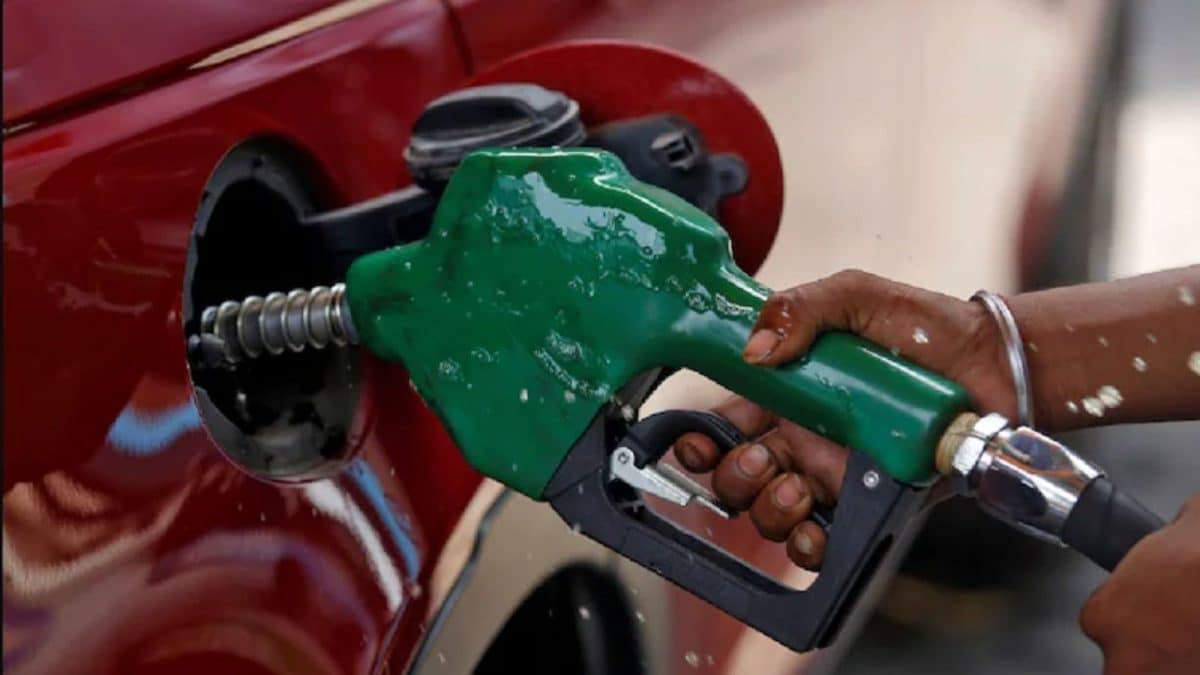
I was standing at a diesel pump on a hot afternoon, watching the meter tick, when the news broke that the Government had hiked the export duty on diesel sharply. It felt a bit like hearing that the water bill had gone up while you were already trying to keep the tap running. The Finance Ministry released a short note saying the new rates were effective immediately, and that the move was aimed at stopping exporters from making easy money off global price gaps.
What exactly changed?
First, the export duty on diesel jumped from Rs 21.5 per litre to Rs 55.5 per litre. That is more than double. Then the levy on Aviation Turbine Fuel (ATF) rose from Rs 29.5 per litre to Rs 42 per litre. At the same time, the export duty on petrol stayed at zero, meaning no extra charge for sending petrol abroad.
Alongside these export duties, the Special Additional Excise Duty (SAED) on high‑speed diesel went up to Rs 24 per litre. The Road and Infrastructure Cess, which is another layer of tax that goes into building and fixing roads, is now Rs 36 per litre. All these numbers are now part of the price you see when you pay at the pump.
Why did the Government do this?
From my understanding, the Government isn’t trying to fill its own coffers. Instead, the aim is to stop exporters from taking advantage of the difference between how cheap diesel is in India and how high the price is overseas. When the world market sees higher crude oil prices, Indian exporters could buy diesel cheap at home and sell it for a big profit abroad. By raising the export duty, the Government makes that extra profit less tempting.
The Finance Ministry said the decision is part of a wider “windfall tax” framework. In simple terms, it means the Government reviews and tweaks fuel export levies from time to time, trying to keep a balance between the money refineries make and making sure the local market stays stable. It’s like a farmer who adjusts the price of his harvest based on how much demand there is in the city and how much he needs for his own family.
Impact on diesel‑dependent businesses
If you own a fleet of trucks or run a logistics company, these changes hit close to home. Diesel is the lifeblood of most road transport in India. Many small transport owners have been complaining that the cost of diesel is already a big chunk of their earnings. With the export duty now at Rs 55.5 per litre, the overall cost of diesel – including the Special Additional Excise Duty (SAED) and the Road and Infrastructure Cess – creeps up a little more each month.
For example, a 10‑litre diesel purchase that used to cost around Rs 830 (including the earlier duties) might now be around Rs 860 or a bit higher. That Rs 30 difference may look small, but over a month of filling up a 40‑litre tanker, it adds up to a few thousand rupees. That extra spend usually gets passed on to the customer in the form of higher freight charges.
On the ground, I have seen truck drivers at a diesel station in Maharashtra grumble about the new numbers. They say the government’s move could push up the cost of goods transported across states, especially in the hinterland where diesel trucks are the main link between farms and markets.
Airlines feel the pinch too
Aviation Turbine Fuel (ATF) is basically jet fuel, and the hike from Rs 29.5 to Rs 42 per litre is a significant jump. I spoke to a friend who works for a small airline that operates regional flights. He told me that the airline’s fuel budget already accounts for a large part of its operating costs – usually about 30‑35% of total expenses. The higher levy on ATF means the airline has to look for ways to cut costs elsewhere, maybe by trimming some routes or by negotiating better rates on other services.
Airports in tier‑2 cities often see a tighter margin on ticket prices because they cannot simply pass on higher fuel costs to passengers as easily as a long‑haul carrier could. So, when the Government raises the ATF duty, you might start seeing slightly higher ticket prices or fewer flights on certain routes, especially on those that were already operating on thin margins.
Petrol stays at zero – what does that mean?
Petrol’s export duty staying at zero is a relief for many small petrol station owners I know. It signals that the Government believes the domestic supply of petrol is comfortable for now. In most parts of the country, petrol stations rarely face a shortage, unlike diesel which can sometimes see tighter availability because of refinery allocations.
Keeping the petrol export duty unchanged also means that exporters of petrol won’t face any new cost, so the market for petrol exports stays as it was. For everyday commuters, this translates to the price at the pump not getting an extra tax burden from the export side – though of course other taxes like the Goods and Services Tax (GST) still apply.
Understanding the Special Additional Excise Duty (SAED) and the Road and Infrastructure Cess
The Special Additional Excise Duty (SAED) on high‑speed diesel is now Rs 24 per litre. This duty is essentially a tax on the manufacture of diesel within the country. When the Government raises this number, it directly raises the base cost before any other taxes are added.
The Road and Infrastructure Cess, now Rs 36 per litre, is meant to fund the building and repair of roads. In a country where a lot of travel still depends on road transport, this levy is pretty important. Some people argue that the cess should be higher to fund better highways, while others feel it adds too much to the price of fuel for everyday users.
In practice, the combined effect of the higher SAED and the higher Road and Infrastructure Cess adds roughly Rs 12‑13 extra per litre of high‑speed diesel. That can be a noticeable amount when you are buying large volumes for a fleet of vehicles.
Broader windfall tax framework – a quick look
The windfall tax framework is something the Government has been using for a few years now. It’s basically a set of rules that let the Finance Ministry adjust export duties whenever it feels that refineries are making too much profit from the difference between domestic and international fuel prices. The idea is to keep the margin reasonable and to protect the domestic market from price spikes.
Under this framework, the Government reviews the export duties regularly – sometimes every quarter, sometimes whenever there is a big swing in global oil prices. By doing so, the Government hopes to prevent situations where a sudden rise in global oil prices leads to a surge in export duties that could choke domestic supply.
How I see it in daily life
Whenever I drive my own two‑wheelers, I notice the price at the petrol pump going up a little each month. While I know a part of that is due to GST and market forces, the extra cost from the higher SAED on diesel also shows up in the cost of my friend’s diesel‑run auto‑rickshaw. He told me that the driver’s earnings are being squeezed because the fuel cost per kilometre has gone up. The driver now has to cover a few extra paise per kilometre just to keep the same profit.
Another everyday observation: when I travel by train, the ticket fares have a fuel surcharge that is adjusted from time to time. The higher ATF duty indirectly influences the cost of running diesel locomotives and sometimes even electric ones, as the overall energy pricing in the economy gets a nudge upward.
Even at the local grocery store, the price of packaged food items that rely on diesel for transportation can creep up. While you won’t see a direct label saying “added Rs 3 because of diesel export duty,” the cumulative effect of higher transport costs eventually shows up on the shelf.
What could happen next?
Looking ahead, the Government might keep tweaking the export duties depending on how the global oil market behaves. If crude prices stay high, you might see a further rise in the export duty on diesel or even a change in the SAED. On the other hand, if there is a surplus of diesel domestically, the Government could consider lowering some of these taxes to ease the burden on transporters.
For ordinary citizens, the best we can do is stay aware of these changes and plan our budgets accordingly. If you run a small business that relies heavily on diesel, you might start looking at fuel‑efficient vehicles or alternative energy options, just as many manufacturers are now pushing for CNG‑run trucks or electric vans.
Bottom line – a personal take
All in all, the Government’s decision to raise the export duty on high‑speed diesel and increase the ATF levy seems aimed at keeping the domestic market stable and preventing profiteering from global price gaps. While the numbers might look small on a per‑litre basis, when you multiply them across the huge volumes of fuel that move across the country every day, the impact becomes noticeable.
For me, it’s a reminder that fuel policy isn’t just about numbers in a Gazette; it trickles down to the cost of a rickshaw ride, the price of a bag of rice, and even the price of a ticket to my hometown. Staying informed helps us understand why these changes happen and what we might need to adjust in our own lives.
So the next time you stop at a diesel pump and see the price board, you’ll know that behind those figures is a mix of export duties, the Special Additional Excise Duty (SAED), and the Road and Infrastructure Cess, all decided by the Government and the Finance Ministry in an attempt to balance the bigger picture of the nation’s energy economy.