Why I’m Talking About the Supreme Court’s Recent Order
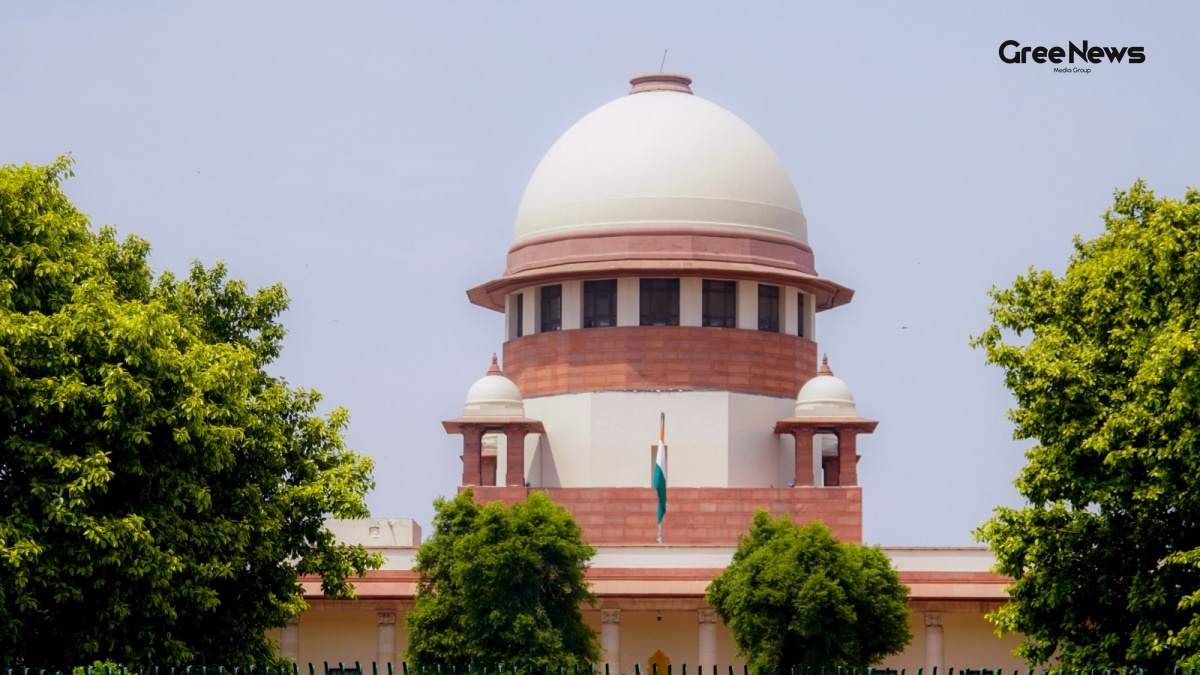
Honestly, when I first heard about the seven judicial officers being gheraoed in Malda, I felt a shiver down my spine. It was like watching a scene from a thriller, only it was happening right here in our own state during election fever. The incident lasted for over nine hours – a long, tense period that made the whole of West Bengal and, frankly, many of us across the country, sit up and take notice. A few days later, the Supreme Court, through a bench led by Chief Justice of India Surya Kant and Justice Joymalya Bagchi, issued a stern direction. They told the Chief Secretary and the Director General of Police to ensure tight security for all judges involved in the Special Intensive Revision, or SIR, till the elections are finally over. In most cases, such directives are not just legal jargon; they have real, on‑the‑ground implications for law‑enforcement officers, court staff, and even the common man who relies on a functioning judicial system.
What caught people’s attention was the personal tone the Court used – it wasn’t just a cold order. CJI Surya Kant asked probing questions about the political background of the people who staged the gherao. He said, "This is not an academic exercise. We will take it to a logical conclusion." This line made the entire courtroom atmosphere feel like a detective story, and many of us started wondering – who were these people? Were they just angry locals, or did they have deeper political motives? This curiosity hook kept the conversation alive on social media, turning the incident into a piece of viral news that kept trending across WhatsApp groups and news portals.
My First‑Hand View of the Malda Gherao
Let me tell you, I was actually on a train passing through Malda a couple of days after the incident, and the buzz on the platforms was palpable. Vendors were talking about "that crazy day when the judges got trapped" and the police vans parked outside the court looked unusually heavy with armed personnel. It reminded me of those moments during the Delhi elections when crowds line the streets, but this time the tension was different – it wasn't about cheering a candidate, it was about fear and uncertainty.
According to the facts, seven judicial officers were locked inside a courtroom for more than nine hours. They were basically held hostage by a mob that claimed to be protesting the SIR process. The situation turned chaotic, and the officers couldn't leave the premises until the police intervened. The whole episode made headlines as breaking news on every news channel, and the images of the gherao quickly went viral. People started sharing memes, but underneath the humor, there was a serious conversation about the safety of those who uphold the law.
What really made this whole thing interesting was the response from the Additional Solicitor General, Aishwarya Bhati. She told the Supreme Court bench that the National Investigation Agency (NIA) was already on the case, probing into the incident while also looking into the alleged involvement of West Bengal police. She added that the state had been cooperative with the investigation. This made me think of how often such high‑profile cases involve multiple agencies, each playing a part, and why the coordination between them matters for the credibility of the judicial system.
Now, many people were surprised by this rapid escalation, and frankly, I was too. The Court’s reaction was swift: it didn’t merely commend the police but actually warned them – "the security arrangement… shall not be withdrawn without the Court’s prior permission." That line reminded me of how seriously the apex court takes any attempt to undermine its authority, especially during election times when the stakes are particularly high.
What the Supreme Court Actually Ordered
Let’s break it down in simple terms, because the legal language can sometimes feel like a maze. The Supreme Court ordered three main things:
- Enhanced security for judicial officers: The Chief Secretary of West Bengal and the Director General of Police must ensure that judges and other court officials involved in the SIR process have adequate protection throughout the election period.
- No withdrawal of security without prior permission: Any decision to pull back security forces must first get approval from the Supreme Court. This basically means the court wants to keep a tight leash on any changes that could jeopardise the safety of the judges.
- Continued deployment of central forces: The bench emphasized that central forces will stay on the ground until further orders, reinforcing the idea that the situation is still considered sensitive.
These orders are not just formalities. In my opinion, they reflect a proactive stance by the judiciary to prevent any repeat of the Malda incident. The Court also praised the “herculean” effort of the judges during the SIR, saying, "We appreciate the zeal and enthusiasm of judicial officers…" This acknowledgment, while seemingly simple, carries a lot of weight in boosting morale among court staff who often work under intense pressure, especially during election seasons.
What’s more, the Court’s language was peppered with phrases like "pre‑planned, calculated and motivated" attempt, calling the incident a “brazen attempt to challenge the authority of this Court.” Such strong wording turned the incident into a part of the trending news India, sparking debates on news portals and social media forums about the role of the judiciary in safeguarding democracy.
Insights from the NIA Investigation
When I read about the NIA’s involvement, it felt like another layer of complexity being added to an already intense story. The agency is not just looking at who organized the mob; they’re also checking whether there were any procedural lapses on the part of local administration that allowed the situation to spiral. There are indications that the administrative response was delayed, which could have given the mob more time to create chaos.
Imagine an everyday scenario: you’re waiting in line at a bus stop, and suddenly the driver runs late. The crowd gets restless, and a small argument can quickly turn into a bigger problem. That’s kind of what the NIA suspects happened – a delay in the police response gave the mob the chance to hold the judges hostage for a long stretch. This aspect of the investigation makes the case all the more intriguing, because it points to possible systemic issues rather than just a one‑off incident.
The NIA’s probe also aligns with the Court’s request to know the political background of the agitators. If the investigators find that some political elements were involved, then the story could shift from a mere law‑and‑order issue to a bigger political controversy, which would definitely become part of the viral news cycle across the nation.
How This Affects Everyday Citizens
Now, you might wonder why all this legal talk matters to a regular person like you or me. Here’s the thing: when judges feel unsafe, it can affect the speed and fairness of the judicial process. In West Bengal, the SIR was being carried out to resolve a backlog of cases before the elections. If that process is hindered because judges are scared or if courts have to shut down due to security concerns, ordinary citizens might face longer waiting periods for their cases, affecting everything from property disputes to criminal trials.
Moreover, the continuing presence of central forces meant that the local police could focus on regular duties like traffic management, which we all appreciate during festive seasons when roads are jammed. The added security also reassures the public that the state is taking the issue seriously, thereby restoring confidence in public institutions.
What the Election Commission’s Role Might Be
Another piece of the puzzle is the Election Commission. The Court specifically asked the Commission, along with the Chief Secretary and other authorities, to keep the security arrangements intact till the polls conclude. This step shows a coordinated approach. In many cases, the Election Commission is seen as a neutral body ensuring free and fair elections. By involving them, the Supreme Court is essentially saying, "We need an unbiased watchdog to keep the peace, not just the state machinery."
From my viewpoint, this move could set a precedent for future elections, where courts and election bodies work hand‑in‑hand to prevent any attempts at intimidation, whether it’s against judges, poll workers, or even voters.
Personal Takeaway – Lessons from This Episode
Looking back, the whole episode feels like a stark reminder of how fragile democracy can be during elections. A seemingly isolated incident in Malda turned into a nation‑wide discussion about law, order, and the role of the judiciary. It made me realize that "latest news India" often carries deeper stories about the functioning of our institutions. The Supreme Court’s decisive action, the NIA’s probing, and the continued presence of central forces all point towards a proactive stance to keep the democratic process intact.
For anyone following breaking news or trending news India, this case serves as a practical example of how the different branches of government interact when things go awry. It also shows that ordinary people, like me, can feel the impact of high‑level decisions in our daily lives, through delays in courts or changes in how police operate on the streets.
What happened next is interesting – the judiciary’s firm stance and the ongoing NIA investigation have kept the story alive on news portals, making it a piece of viral news that continues to shape public opinion. It’s a reminder that vigilance, whether from the courts, law enforcement, or citizens, is essential for a healthy democracy.