The government said it is working in coordination with the Ministry of External Affairs (MEA) to ensure the safe movement of ships.
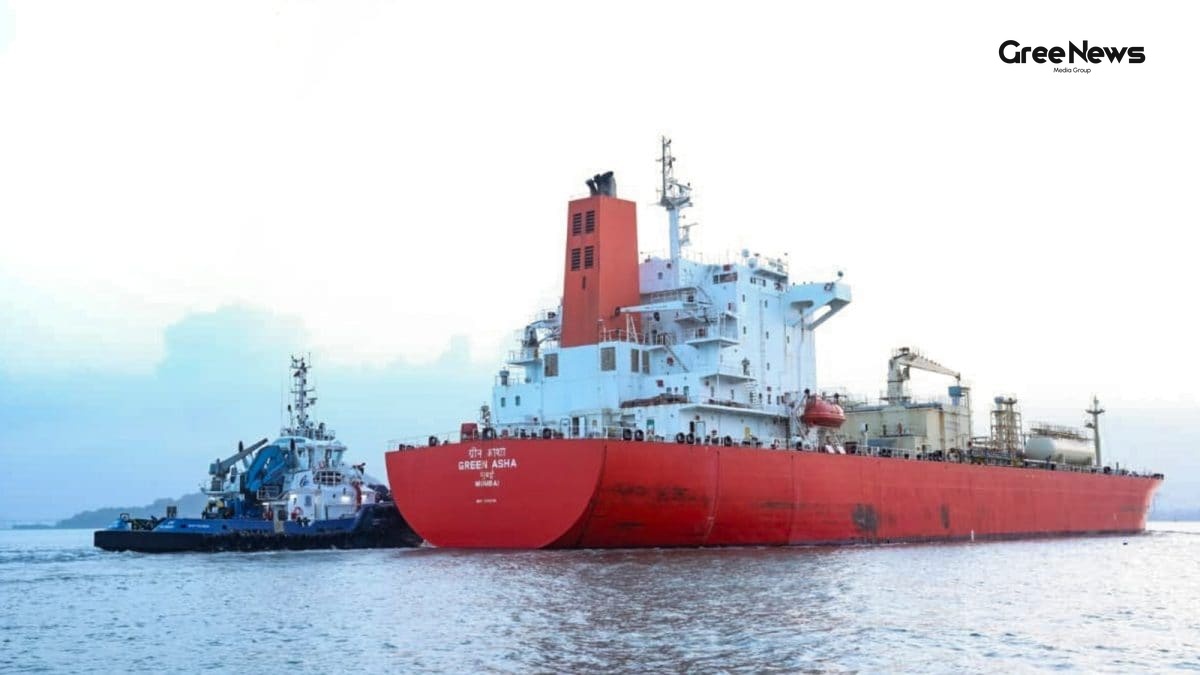
At present, fifteen Indian‑flagged and Indian‑owned vessels are stranded in the Strait of Hormuz, the Centre said on Monday, while assuring that efforts are underway to bring them back safely as conditions allow.
The government said it is working in coordination with the Ministry of External Affairs (MEA) to ensure the safe movement of ships once the situation in the strategic waterway stabilises.
“We, in coordination with MEA, are trying, putting our efforts to bring our vessels back. And as soon as it is possible for our vessels to sail from the Strait of Hormuz," said Mukesh Mangal, Additional Secretary, Ministry of Ports, Shipping and Waterways, during a press briefing.
Israel Iran War News Iran US CeasefireWhy the Strait of Hormuz Matters to India
Honestly, most of us in India don’t think about the Strait of Hormuz every day – unless we’re watching the news over a hot cup of chai. But the fact is, this narrow waterway is a lifeline for our oil imports. Around twenty‑five percent of the world’s petroleum passes through those waters, which means any hiccup can directly affect fuel prices at our petrol pumps.
When I was travelling back from my friend’s wedding in Goa, my dad kept checking his phone for "latest news India" about the ships. He said, "If those vessels stay stuck, our oil costs could rise, and that means higher expenses for everyone – from the auto driver to the small shopkeeper". That simple conversation made me realise how a geopolitical flash‑point can ripple into everyday life.
What Caused the Vessels to Get Stuck?
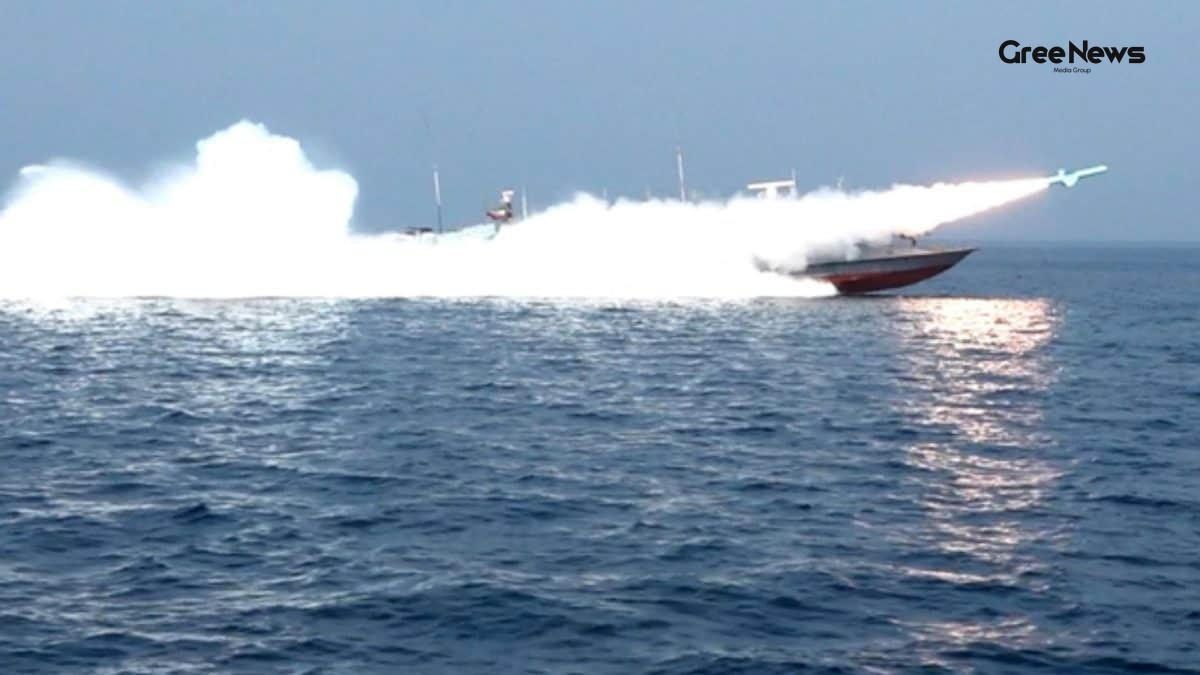
The situation is part of a larger regional tension involving Iran, Israel and the United States. Recent military drills and verbal exchanges have turned the Strait into a tense zone, prompting many ship operators to pause their voyages. The Indian vessels, all registered under the Indian flag and owned by Indian companies, were caught in the middle just as the tension escalated.
From what I gathered in a local tea stall conversation, a couple of captains mentioned that the navigation warnings issued by the International Maritime Organization (IMO) advised vessels to stay clear of the area. Yet, some of our ships had already entered the strait for a scheduled transit. When the warnings turned into on‑the‑ground threats, they had no choice but to anchor and wait for clearance.
This is where the "breaking news" angle becomes personal – families of the crew are stuck waiting for updates, and the shipping companies are fretting over potential cargo losses. That’s why you often see viral news and trending news India posts about the crew’s well‑being, not just the cargo.
Government’s Playbook: Coordination with MEA
So, what is the Centre actually doing? According to the press briefing, the Ministry of Ports, Shipping and Waterways is in constant touch with the Ministry of External Affairs. They are using diplomatic channels to negotiate safe passage for the ships. The statement highlighted that "efforts are underway" – a phrase that may sound vague, but it essentially means high‑level talks are happening behind the scenes.
During a live television interview I watched, the spokesperson from MEA said they were in contact with their Iranian counterparts and also keeping tabs on the US Navy’s movements in the region. The real challenge, as they admitted, is ensuring the safety of the crew while also safeguarding Indian maritime interests.
What caught people’s attention was Mukesh Mangal’s reassurance that the government will act "as soon as it is possible". The phrase sounds hopeful, but it also signals that the situation is fluid – any sudden flare‑up could delay the plan.
Impact on Indian Trade and Everyday Indians
Let’s bring this back home. Many of the stranded vessels carry crude oil, petrochemicals, or even containers of consumer goods bound for ports like Mumbai, Chennai, and Kolkata. If these ships remain idle for weeks, the ripple effect can be felt in the price of petrol, the cost of plastic products, and ultimately the expenses of a middle‑class family.
I remember my neighbour, a truck driver from Pune, complaining that diesel prices have climbed by nearly five rupees per litre in the past month. He blamed the “geopolitical tension” and said that a delay in oil shipments makes his earnings shrink because he has to spend more on fuel.
Also, consider the families of seafarers. The Indian diaspora includes more than two million seafarers, and when their ships are stuck, the families experience anxiety, sleepless nights, and financial strain. A small but poignant example I heard on a local FM channel: a mother in Lucknow waiting for a text from her son aboard one of the stranded vessels. That human story is why this remains "viral news" on social media – people share heartfelt messages of support.
Personal Reflections: Watching the Situation Unfold
Honestly, I never imagined I’d be glued to a live map of the Persian Gulf on my phone. But after hearing about the fifteen vessels, I started tracking the strait on an app that shows ship positions. Watching the anchored ships bobbing gently made the whole issue feel very real. It’s not just a "breaking news" headline; it’s a fleet of Indian ships, each with a crew, a cargo, and a story.
Even my brother, who works in an export firm, expressed worry. “If the containers don’t move, our shipments to the UAE will be delayed. That could mean penalties for us,” he said. That conversation reminded me how interconnected our economy is – a single chokepoint in the Middle East can affect a small business in Surat.
At the same time, I started seeing a lot of memes on WhatsApp – pictures of a ship with the caption "Stuck in Hormuz, but still on time for Diwali". While humorous, they also highlight how Indians make light of serious issues, yet remain aware of the underlying risks.
International Angle: Israel‑Iran Tensions and US Ceasefire Talks
While the primary story is about Indian vessels, the backdrop includes the ongoing Israel‑Iran war news and tentative talks about an Iran‑US ceasefire. Analysts say that the heightened alertness of naval forces in the Gulf makes it risky for commercial traffic. The Indian government, therefore, has to juggle diplomatic outreach to both Iran and the US to ensure their ships are not caught in crossfire.
What happened next is interesting – a few hours after the press briefing, a senior official from the Indian Embassy in Tehran reportedly met with Iranian naval officials to discuss a safe corridor for commercial ships. This move, though not widely publicised, showcases how "trending news India" today is intertwined with high‑level diplomacy.
The potential ceasefire talks between Iran and the US could be a game‑changer. If a ceasefire holds, the Strait is likely to return to normal traffic within weeks, which would be a huge relief for the Indian shipping sector. On the other hand, any breakdown could prolong the standoff, keeping our vessels stranded longer.
What Might Happen Next?
Looking ahead, there are a few scenarios. First, if diplomatic channels succeed and the Strait stabilises, the fifteen vessels could start moving within a few days. That would be the best‑case outcome and would restore normal flow of oil and goods.
Second, if tensions flare up again, the Indian government might decide to reroute ships around the Cape of Good Hope – a much longer and costlier journey. That would push up shipping costs, which would eventually reflect in higher prices for Indian consumers.
Lastly, there is the possibility of a multi‑national convoy organised by the International Maritime Organization, where warships from several countries escort commercial vessels through the Strait. While that sounds like something out of a movie, it’s a realistic option in such volatile times.
Whatever the outcome, the key takeaway for us, the everyday Indian, is that geopolitics isn’t just something you read about in newspapers. It has a direct line to the fuel you pump, the goods you buy, and the well‑being of seafarers who are part of our extended families.