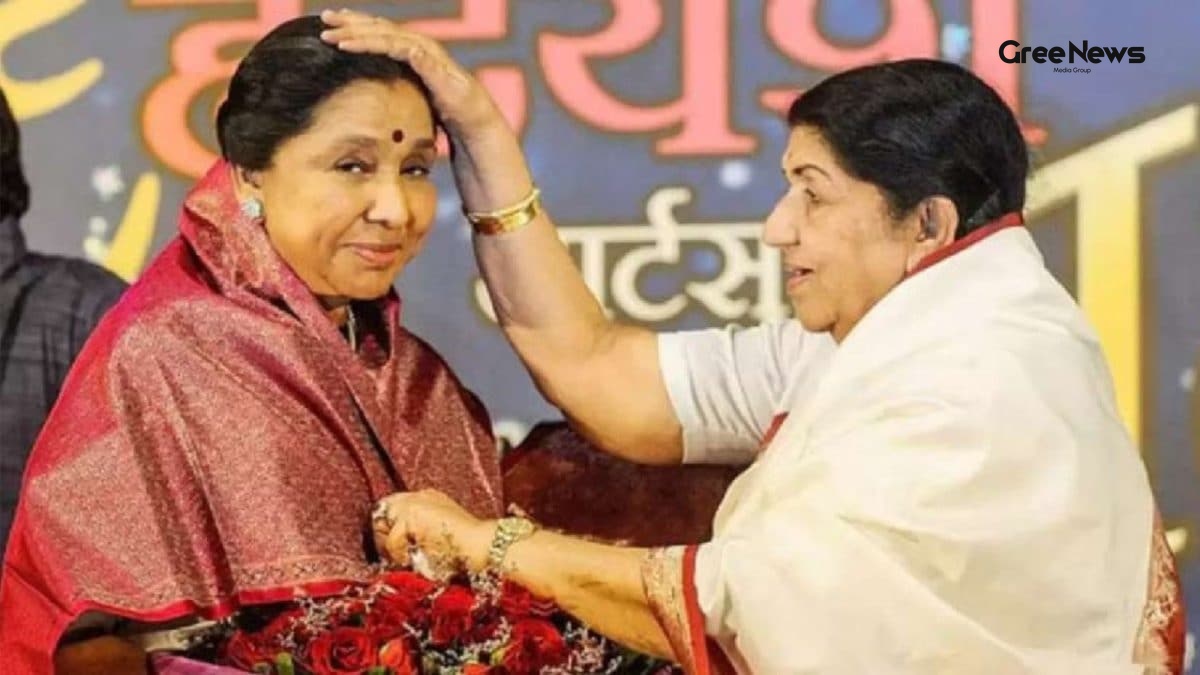
Honestly, when I first saw the breaking news about Asha Bhosle’s passing, I was glued to my phone, scrolling through the latest news India feeds. You know how it goes – a legendary voice that’s been part of every family’s celebrations, suddenly gone at 92. My heart sank a bit, and at the same time I was trying to see what everyone in the neighbourhood was saying about it. That’s when I stumbled upon a story that wasn’t just about a grieving fanbase, but something that quickly turned into trending news India.
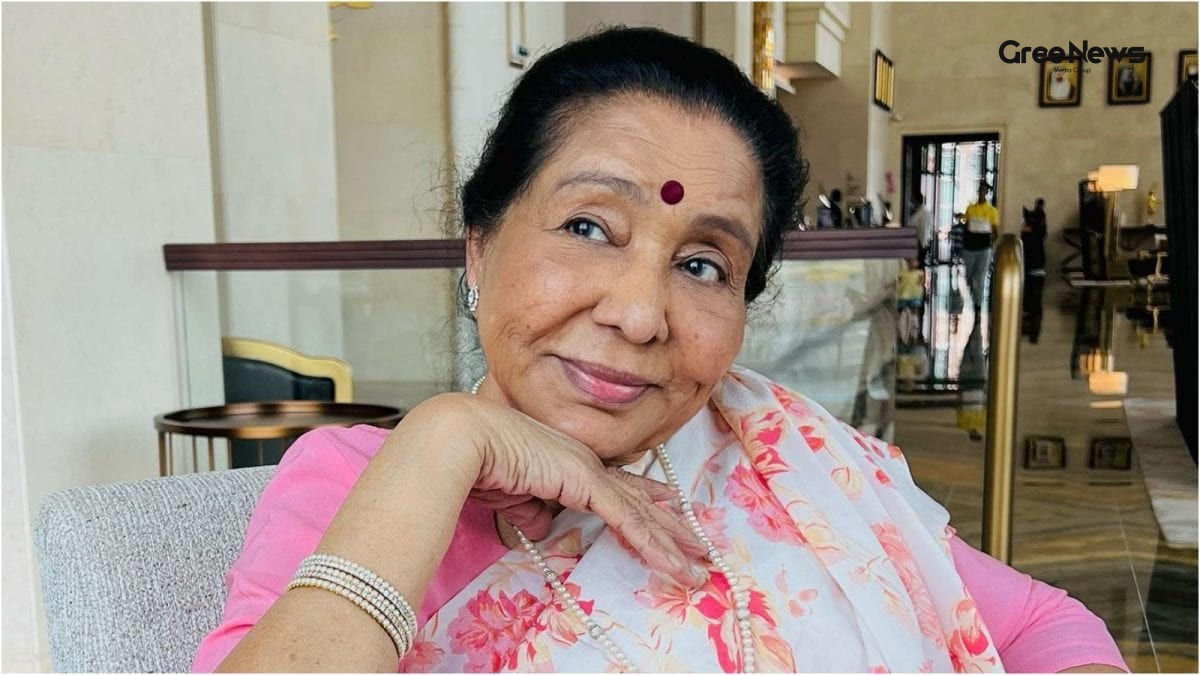
PEMRA Issues Notice to Geo News Over Asha Bhosle Coverage
So, here’s what happened next – the Pakistan Electronic Media Regulatory Authority, popularly known as PEMRA, actually sent a formal notice to Geo News. The notice, which was published on a Sunday, pointed out that Geo News broadcasted Indian songs and film visuals while covering the singer’s death. According to the report I read on Dawn, PEMRA said this was a “wilful defiance” of a Supreme Court judgment that bans Indian content from Pakistani airwaves.
In most cases, when a channel reports a death of a public figure, they sprinkle in some clips of the person’s work. That’s pretty normal. But because of the court order, any Indian movie or song is essentially off‑limits for broadcast in Pakistan. That’s why the notice caused such a stir – it wasn’t just about a tribute, it was about crossing a legal line that many broadcasters are trying hard to respect.
Azhar Abbas Reacts on X
Azhar Abbas, the Managing Director of Geo News Urdu, didn’t keep quiet. He hopped onto X (the platform formerly known as Twitter) and posted a thoughtful thread. He said, "It has always been customary to revisit and celebrate the work of iconic artists when reporting on them. In fact, for an artist of Asha Bhosle’s stature, we should have shared even more of her timeless and memorable songs than we did." He was basically saying that Geo News was just doing what any news channel would do – honour the legend.
Azhar went on to argue that art, like knowledge, belongs to all of humanity and shouldn’t be gated by borders. He reminded folks that Asha Bhosle herself admired the legendary Pakistani singer Noor Jahan, even calling her an “elder sister”. That line struck a chord with many of us who grew up listening to both singers on the same radio frequencies.
He also mentioned her collaborations with Pakistani maestros like Nusrat Fateh Ali Khan, highlighting how music has always been a bridge between the two nations. In his view, “art and artists should not become casualties in times of war and conflict.” That's a pretty solid point, especially when you consider how many families in Delhi, Lahore, and Kolkata have the same tunes playing at weddings and festivals.
Rauf Klasra’s Questioning
Pakistani journalist Rauf Klasra jumped into the conversation, questioning how PEMRA could penalise a channel for sharing footage of a great artist. He wrote on X, “She has entertained many generations of the subcontinent with her melodious voice. She deserves respect.” His tweet went viral fast, echoing the sentiment of many music lovers who felt the notice was a bit heavy‑handed.
In the thread, Rauf added, “That’s a shame indeed. How could #Pemra issue notice for airing content related to legendary singer #Ashabhosle on her sad demise? She has entertained many generations of subcontinent with her melodious voice. She deserves respect.” The hashtags made the post pop up in the feeds of people following #viralnews and #Indiaupdates, turning it into a broader debate about censorship and cultural respect.
Why the Story Became So Viral
Now, you might wonder why this piece of news got such a massive buzz. Apart from the legal angle, there’s something deeper – a sense that art is being weaponised in a political tug‑of‑war. When I was chatting with friends over chai, one of them said, “It’s crazy that a singer’s tribute can land a channel in trouble.” That captured the essence of the public mood.
The story quickly turned into viral news across both Indian and Pakistani social media. Hashtags like #AshaBhosle, #PEMRA, and #GeoNews were trending, and people from both sides were posting nostalgic clips of Asha’s greatest hits. Some even shared old videos where Asha sang duets with Noor Jahan, proving that the cultural exchange is real and still alive.
In my own feed, I kept seeing the same posts over and over – people celebrating the late legend, others defending Geo News, and a chunk of netizens demanding that regulators ease up on cross‑border art. The whole conversation felt like a live showcase of how music can still spark dialogue, even in tense times.
Context: The Supreme Court Judgment
To give a bit more background – the Supreme Court judgment that PEMRA references was originally aimed at curbing the influx of Indian entertainment on Pakistani television after 2016. It specifically barred the broadcast of Indian movies, songs, and TV serials. The idea was to protect the local entertainment industry, but over the years, a cultural vacuum emerged because many Pakistani viewers had grown accustomed to those cross‑border hits.
When Geo News aired the clips of Asha’s songs, they technically broke that rule. However, the channel’s defense hinges on the fact that they were reporting a news event, not just airing entertainment for ratings. That’s a nuance that many media lawyers point out, and it’s part of why the notice has sparked so much debate.
Personal Take on the Situation
Honestly, as someone who grew up listening to Asha Bhosle’s bhajans during mornings and her peppy numbers at family parties, I feel a pang of sadness every time I see politics clash with art. It reminds me of the times my uncle used to play ‘Raabta’ from a Bollywood film on his old cassette player, while my aunt in Lahore would be humming the same tune during a wedding. Those moments were pure joy, not politics.
What’s interesting is that even though the news about the notice was “breaking news”, it also felt deeply personal – like a reminder that cultures are interwoven. It made me think about the many times I’ve seen Indian movies subtitled in Urdu for my cousins in Delhi, and how we all laugh at the same jokes regardless of the border.
This whole episode also pushed me to check the latest India updates about cross‑border cultural initiatives, hoping perhaps that regulators on both sides might find a middle ground. After all, if a singer who sang with Nusrat Fateh Ali Khan can be celebrated, why can’t a news channel honour her memory without being penalised?
Wider Implications for Media
From a broader perspective, this incident could set a precedent for how media houses treat cross‑border content in news pieces. If Geo News gets heavily sanctioned, other channels might start avoiding any mention of Indian cultural icons, even when it’s relevant to the story. That would be a huge loss for viewers who rely on news outlets to provide a full picture, including the cultural impact of personalities like Asha Bhosle.
On the flip side, regulators might argue that they’re simply enforcing the law. It’s a classic case of law versus artistic expression. In most cases, the balance leans towards the law, but I think there’s room for a nuanced approach, especially when the content is part of a news report rather than pure entertainment.
For those of us who follow both Pakistani and Indian media, the hope is that future guidelines will differentiate between “entertainment programming” and “news reporting”. That way, we can keep the spirit of shared heritage alive while still respecting the legal framework.
Conclusion: A Call for Shared Heritage
To wrap it up, the story of PEMRA’s notice against Geo News over the Asha Bhosle tribute illustrates how deeply intertwined our cultures are, and how fragile that connection can become when laws intervene. It became a piece of trending news India and Pakistan, sparking conversations about art, censorship, and the shared love for music that transcends borders.
What happened next is interesting – the notice has already prompted a few media houses to issue statements, and there are whispers of a possible appeal. Meanwhile, on X and other platforms, fans continue to share Asha’s everGreen songs, keeping her memory alive.
For me, it’s a reminder that while politics can draw lines on a map, music and nostalgia draw lines in the heart. And as long as we keep talking about legends like Asha Bhosle, Noor Jahan, and Nusrat Fateh Ali Khan, those hearts will stay connected.
Keep an eye on the latest news India feeds for any updates on this story, because the dialogue is far from over. And remember, art is a shared heritage – it’s worth protecting, even when the legal landscape gets tricky.