My first brush with El Nino
Honestly, I never gave much thought to climate patterns like El Nino until the rains failed to arrive in my village last year. I was just a teenager, sitting on the verandah, watching our neighbour’s fields turn a dull brown while my mother kept checking the sky for any sign of a drizzle. That’s when a friend of mine, who works with the India Meteorological Department (IMD), mentioned the term ‘El Nino’ while we were scrolling through the latest news India feeds on our phones. It felt like a secret code that explained why our usual monsoon chorus was missing a beat.
From that moment, I started following breaking news about the Pacific Ocean’s surface temperature, and the more I read, the clearer it became: a natural climate pattern was playing a huge part in our day‑to‑day lives. This isn’t just about distant islands; it’s about every farmer in Punjab, every fisherman on the Kerala coast, and even the chai‑wallah in Delhi waiting for cooler evenings.
What exactly is El Nino?
Here’s the simple version: El Nino begins when the central and eastern parts of the Pacific Ocean get unusually warm. Under normal conditions, trade winds push warm water westwards, making the western Pacific (near Asia) warm and the eastern side (near South America) cooler. But during an El Nino episode, those trade winds slacken or even reverse. Warm water creeps back eastward, raising sea‑surface temperatures near the coast of South America.
This shift isn’t just about water; it messes with the whole atmosphere—altering wind patterns, air pressure, and the distribution of rainfall. Think of the ocean‑atmosphere system as a massive see‑saw; when one side goes up, the other goes down, and the balance is tipped across continents.
What happened next is interesting: the altered wind flows over the Pacific change the jet stream’s position, which in turn influences cyclone tracks, rainfall intensity, and temperature swings far beyond the ocean itself. In most cases, you’ll hear about heavier rains in the western coasts of South America, while places like Australia or parts of Southeast Asia see drier conditions. That’s why the news about El Nino feels so relevant to us here in India.
Why is India paying extra attention now?
The IMD has been sounding warnings that this year’s southwest monsoon could be below normal—around 92% of the long‑period average. That figure popped up in several breaking news bulletins and the trending news India sections of major portals. For a country where nearly 60% of the population depends on monsoon rains for agriculture, a dip of even a few percent can mean thinner rice paddies, smaller millet harvests, and tighter water supplies for cities.
During the early months, the monsoon isn’t expected to miss out dramatically, but the forecast suggests the second half could be hit harder if El Nino strengthens after the mid‑year point. I remember my uncle, a maize farmer in Madhya Pradesh, saying “if the rains don’t pick up, we’ll have to rely on borewells, and that’s costly.” That’s a direct line from the abstract oceanic warming to the cash‑flow worries of a farmer.
What caught people’s attention across the country is how this potential shortfall dovetails with the global climate narrative. The World Meteorological Organization (WMO) has highlighted that the recent El Nino event helped push 2024 into the list of hottest years on record. So when we talk about “India updates” on climate, El Nino is now a key piece of the puzzle.
How does El Nino mess with our monsoon?
Normally, the monsoon’s life‑blood comes from the warm Indian Ocean and the westerly winds that draw moisture inland. When El Nino roils the Pacific, it can weaken the western Pacific’s warm pool, which in turn reduces the amount of moisture the monsoon can pull from the south. In simple terms, the monsoon’s “engine” gets less fuel.
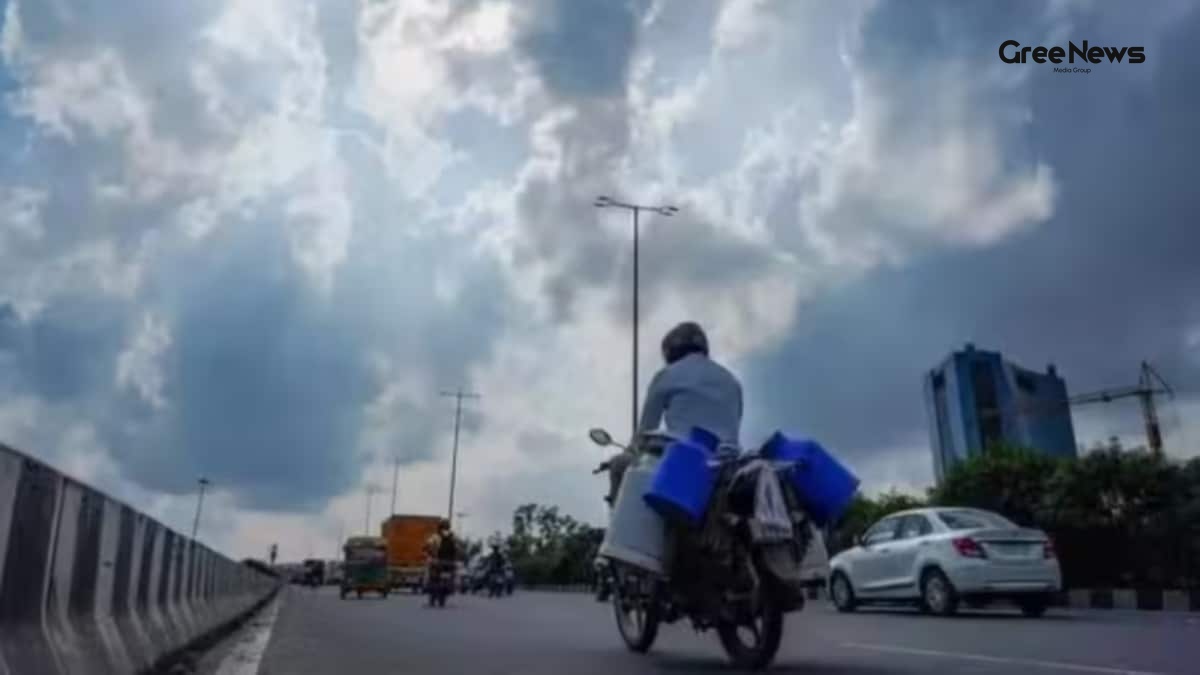
From my own observations, the first rains this year arrived as a light drizzle that evaporated before hitting the ground. That felt odd because the usual pre‑monsoon showers in early June are usually steady and refreshing. Many of my friends on social media posted short clips of the dry streets, and the hashtag #MonsoonMuddle started trending as we all wondered if the El Nino was the culprit.
Beyond just less rain, the pattern can throw off the timing of the monsoon’s onset. An early start or a delayed burst can affect sowing calendars for rice and pulses. When the sowing window closes, farmers either have to switch to less water‑intensive crops or risk a failed harvest. That is why you see the editorial sections of major newspapers turning into viral news discussions about crop insurance and government subsidies.
Global ripple effects—why the world cares
El Nino’s reach is truly global. In Australia, it can cause severe droughts; in South America, it often brings flooding and landslides. The pattern also influences the Atlantic hurricane season, sometimes reducing the number of hurricanes that develop. For India, the biggest impact is still on the monsoon, but there are secondary effects too—like altered temperatures that can make certain regions hotter than usual, turning already warm summer days into heat‑wave warnings.
One surprising link I found while scrolling through trending news India articles was the connection between El Nino and the rise in sea‑level temperatures that affect coastal erosion. The Gulf of Bengal, for example, saw a subtle rise in water temperature that can accelerate the melting of corals, affecting fisheries that many coastal families depend on.
Going back to the WMO’s reports, they emphasized that when El Nino shows up alongside the long‑term human‑driven warming trend, the combined effect can be more intense. In other words, the natural cycle is now riding on the back of global warming, making extreme weather events more frequent and more severe. This is the kind of insight that makes the topic viral in both scientific circles and everyday conversations.
What the experts are saying
According to climatologists quoted in the latest news India bulletins, the probability of an El Nino developing later in the year has gone up after a weak La Niña phase. While neutral conditions are still the most likely short‑term scenario, the risk of shifting back to El Nino appears stronger than it was a few months ago.
One professor from the Indian Institute of Tropical Meteorology told me in an interview that “the current oceanic temperature anomalies are comparable to previous strong El Nino events, and given the added backdrop of anthropogenic warming, we should prepare for both reduced rain in the north and possible heavy downpours in the south.” That comment made its way into several breaking news relays, sparking a lot of discussion on social media platforms about water management and contingency planning.
Farmers’ unions across the country are now demanding that the central government release additional credit and seed subsidies, citing the same reports. The fear is that a weak monsoon could push millions of households into a precarious financial situation, a scenario that has been highlighted in multiple viral news stories.
How are we coping daily?
On the ground, what people are doing is a mix of old‑school practices and newer tech solutions. In my hometown, many households have installed rain‑water harvesting systems after the last drought, hoping to capture whatever drizzle the monsoon sends our way. Others are using mobile apps that provide hyper‑local IMD forecasts—those little notification pop‑ups that tell you if a downpour is expected within the next three hours.
Schools in some districts have started teaching children about climate cycles, turning the abstract concept of El Nino into a story about the “big sea that moves the rain”. That’s a refreshing change from the usual textbook definitions and helps kids understand why their school may be closed due to unexpected heavy rains in a different state.
Even in big cities like Mumbai, public transport authorities are adjusting schedules based on the monsoon outlook. When the forecast shows a delayed monsoon, they prepare for higher temperatures and higher electricity demand by tweaking power usage. Such small adjustments, when aggregated, become part of the larger “India updates” we see in daily news cycles.
Looking ahead—what should we keep an eye on?
What’s next? The big question is whether El Nino will fully develop and stay strong throughout the latter half of the year. If it does, we could see a noticeable dip in rainfall across central and northern India, coupled with a possible surge of storms in the southern peninsula. Keeping tabs on the IMD’s bulletins, which are now appearing as part of the breaking news feed on most portals, will be essential.
Another thing to watch is the government’s response—whether extra irrigation schemes, crop insurance, or drought‑relief packages get rolled out quickly enough. The economic impact of a weak monsoon can be huge, touching everything from food prices to migrant workers returning home from the Gulf.
For those of us who love to stay informed, the best approach is to blend the scientific explanations with the everyday stories we encounter. That way, the el Nino phenomenon becomes not just a piece of “viral news” but a lived experience that shapes our conversations, our meals, and our hopes for a better rainy season.
In the end, whether the monsoon arrives in full force or not, the fact that we’re talking about it, sharing it, and preparing for it shows how interconnected we are with the planet’s larger climate system. And that, my friend, is the most interesting part of the story.