The Kremlin confirmed that the proposal, put forward by Russian President Vladimir Putin, remains on the table despite stalled diplomacy.
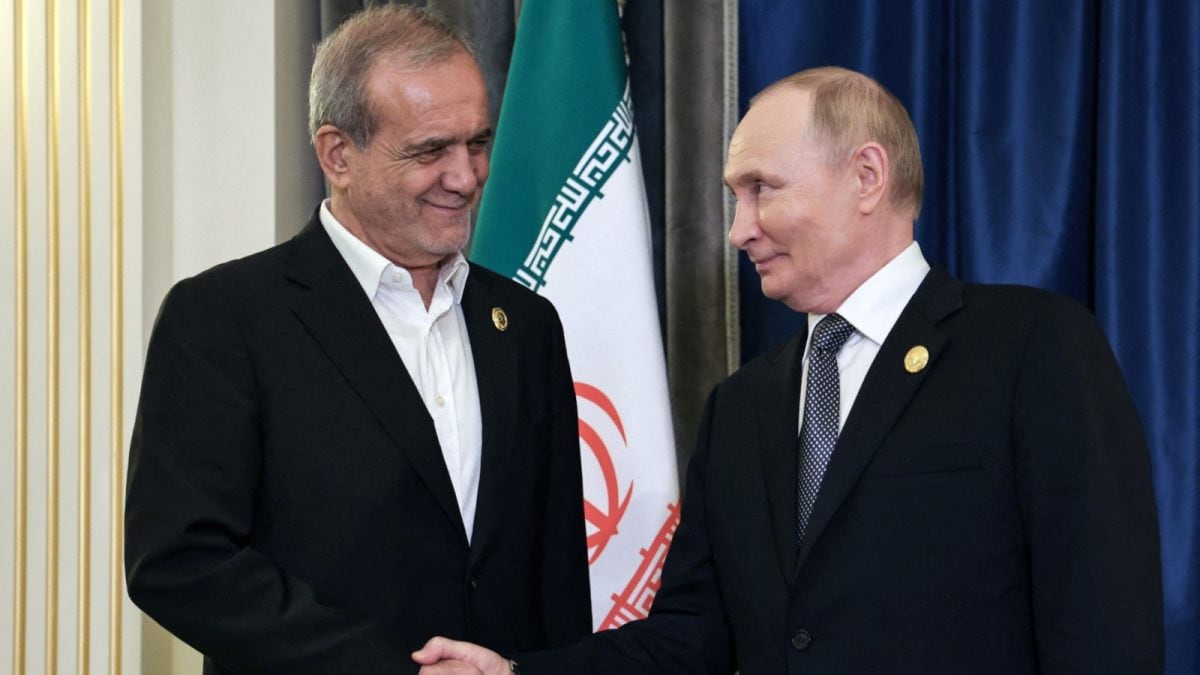
Russia on Monday said it is ready to take in Iran’s enriched uranium as part of a potential peace deal with the United States. The Kremlin confirmed that the proposal, put forward by Russian President Vladimir Putin, remains on the table despite stalled diplomacy.
“This proposal was voiced by President (Vladimir) Putin in contacts with both the United States and regional states. The offer still stands, but has not been acted upon," Kremlin spokesman Dmitry Peskov said.
Dmitry Peskov added that the offer had been shared with both the United States and regional players but has not yet been acted upon.
Background of the uranium‑for‑peace idea
When President Vladimir Putin first floated the idea, it was meant as a sort of confidence‑building measure – a way for Russia to show that it could act as a neutral broker in the tense standoff between the United States and Iran. In simple terms, Russia would take the enriched uranium that Iran currently holds, store it safely, and then hand it over to the United States only after a verifiable cease‑fire was in place. That way, both sides could feel a little more secure that the other wasn’t secretly keeping nuclear material for future use.
For many of us following the latest news India, the proposal seemed like a creative diplomatic twist – something out of a movie where a third party steps in to prevent two neighbours from blowing up each other. Yet the reality on the ground is far more complicated, especially given the multiple layers of distrust that have built up over the years.
What the Kremlin says now
Kremlin spokesman Dmitry Peskov reiterated that the offer is still valid, even though the United States has not taken any concrete steps. "The proposal was voiced by President Vladimir Putin in contacts with both the United States and regional states. The offer still stands, but has not been acted upon," he said. This statement, which has become breaking news across the subcontinent, signals that Russia is not backing down from its diplomatic gamble.
In most cases, when a country repeats an unchanged offer, it means they are waiting for the other side to make the first move. The Kremlin’s tone was calm, almost as if they were saying, "We are ready, you just need to decide when to pick up the phone."
For everyday readers in India, this could feel like watching a cricket match where one team keeps offering a rain‑delay, but the umpires never actually call it. The suspense builds, and people start wondering what will happen next.
United States response and the stalled talks
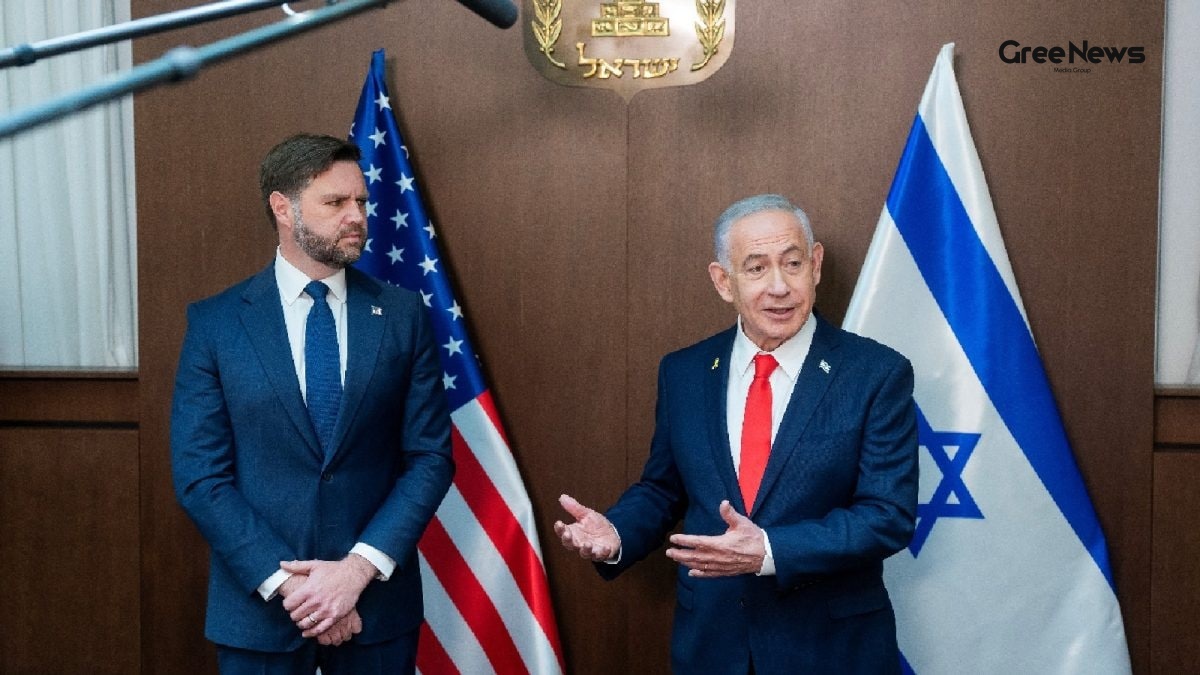
The last round of Pakistan‑mediated talks between the United States and Iran ended without a breakthrough. United States President Donald Trump, who has been vocal about Iran’s nuclear ambitions, blamed Iran for the failure. The United States delegation, led by Vice President JD Vance, along with envoy Steve Witkoff and senior adviser Jared Kushner, left Islamabad without an aGreement.
Vice President JD Vance, Steve Witkoff and Jared Kushner were reported to have met a team headed by Iran’s parliamentary speaker Mohammad Bagher Ghalibaf – the highest‑level engagement since the 1979 Islamic revolution. Yet even after sitting down together, the United States side did not commit to any concrete step that would trigger the Russian uranium‑for‑peace plan.
This caught people’s attention because it echoed the earlier pattern of talks that start with high hopes but end with a sigh of disappointment. In trending news India, you will see many social media users quoting the line “the offer still stands but has not been acted upon,” turning it into a meme about political patience.
Regional dynamics – Pakistan’s role and the Strait of Hormuz
Pakistan, which hosted the negotiations, has urged both sides to keep dialogue open and respect the fragile two‑week ceasefire that was in place. The country’s diplomats have been pushing for a solution that does not further destabilise the already volatile region.
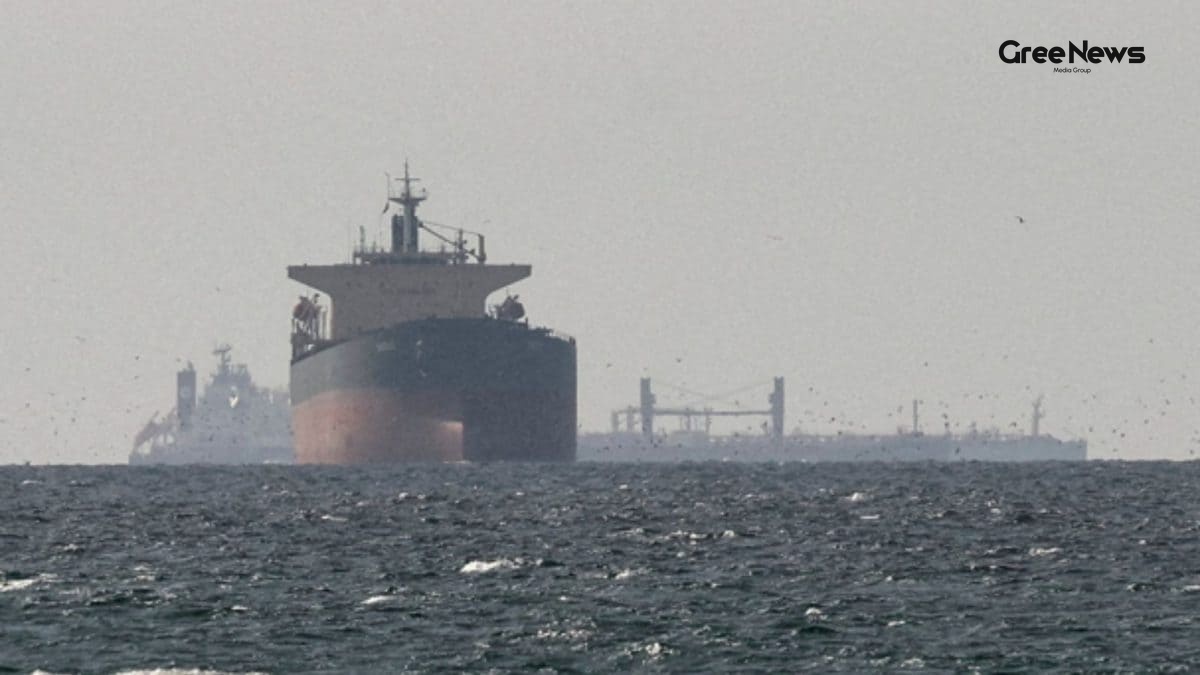
Meanwhile, Iran has effectively blocked the Strait of Hormuz for weeks after a joint United States‑Israeli bombing campaign. That move added a fresh layer of economic uncertainty because a sizeable chunk of the world’s oil flows through that narrow waterway. The blockade meant that shipping companies had to reroute around the Cape of Good Hope, hiking up prices for petrol and diesel in many Indian cities.
When the strait is closed, the ripple effect is felt in every corner of the Indian subcontinent – from the price on a roadside dhaba’s plate of biryani to the cost of diesel for tractors in Punjab. That is why the whole situation keeps popping up in viral news and India updates.
Iran’s cautious stance
Iranian officials maintained a cautious stance throughout the talks. Iran’s parliamentary speaker Mohammad Bagher Ghalibaf said past negotiations with the United States had been marked by broken promises. At the same time, Foreign Minister Abbas Araghchi claimed Tehran had negotiated in good faith but faced shifting demands from the United States side.
These statements reflect a deep weariness on Iran’s part. The country feels it has been offered a “deal” that keeps changing, and that has made many Iranian officials hesitant to put all their cards on the table. For many Indian analysts watching the latest news India, this is a classic example of diplomatic fatigue – when both sides have been through so many rounds of talks that each new proposal is met with a grain of suspicion.
What happened next on the phone call between Vladimir Putin and Masoud Pezeshkian
The development comes a day after a phone call between Russian President Vladimir Putin and Iranian President Masoud Pezeshkian, during which they reviewed the situation and the stalled talks. Moscow also repeated its readiness to support a diplomatic solution and help secure a lasting peace in the region.
During that conversation, Vladimir Putin is said to have emphasized that Russia’s offer to take Iran’s enriched uranium remains unchanged. Masoud Pezeshkian, on his part, reiterated Iran’s willingness to engage, but only if the United States stops shifting its demands. The call, while not broadcast, was reported by several agencies and quickly turned into breaking news across the Indian internet.
Implications for global markets and India
The war that began in late February has already left thousands dead and unsettled global markets. Energy supplies and shipping routes remain under strain, and any further escalation could send oil prices soaring again. In most cases, when a conflict hits a major oil‑transit point like the Strait of Hormuz, the impact is felt in the price of petrol at Indian fuel stations within days.
Investors in Indian stock markets have been watching these developments closely, especially the stocks of oil companies and logistics firms. The anticipation of a possible diplomatic breakthrough – or a further collapse – creates a volatile environment that feeds into trending news India and viral news platforms.
Even everyday commuters feel the ripple. When fuel prices rise, auto‑rickshaws charge a little more, and that extra amount eventually shows up on your daily commute budget. So, the Kremlin’s statement isn’t just another bulletin for diplomats; it’s a piece of breaking news that could affect your pocket directly.
What could happen next?
Looking ahead, the key question is whether the United States will finally take up the offer on the table. If United States officials decide to act, the next step would involve setting up secure transport and storage mechanisms for the enriched uranium – a complex task that would require coordination between multiple agencies, including the International Atomic Energy Agency.
On the other hand, if the United States continues to hold back, the proposal may lose its relevance, and the diplomatic deadlock could deepen. Many analysts in India are keeping an eye on any hint of movement, because even a small sign – like a statement from Vice President JD Vance mentioning “confidence‑building measures” – could trigger a flurry of activity on the trading floor.
Meanwhile, Russia says it is ready to keep the offer alive, which means the world will be watching Kremlin spokesman Dmitry Peskov for any updates. In most cases, the longer the offer stays on the table without action, the more it turns into a talking point in viral news streams and social‑media debates. Some even call it a "peace insurance" – a safety net that might never be needed, but could become crucial if the conflict escalates further.
(With inputs from agencies)
Israel Iran War News Iran US Ceasefire