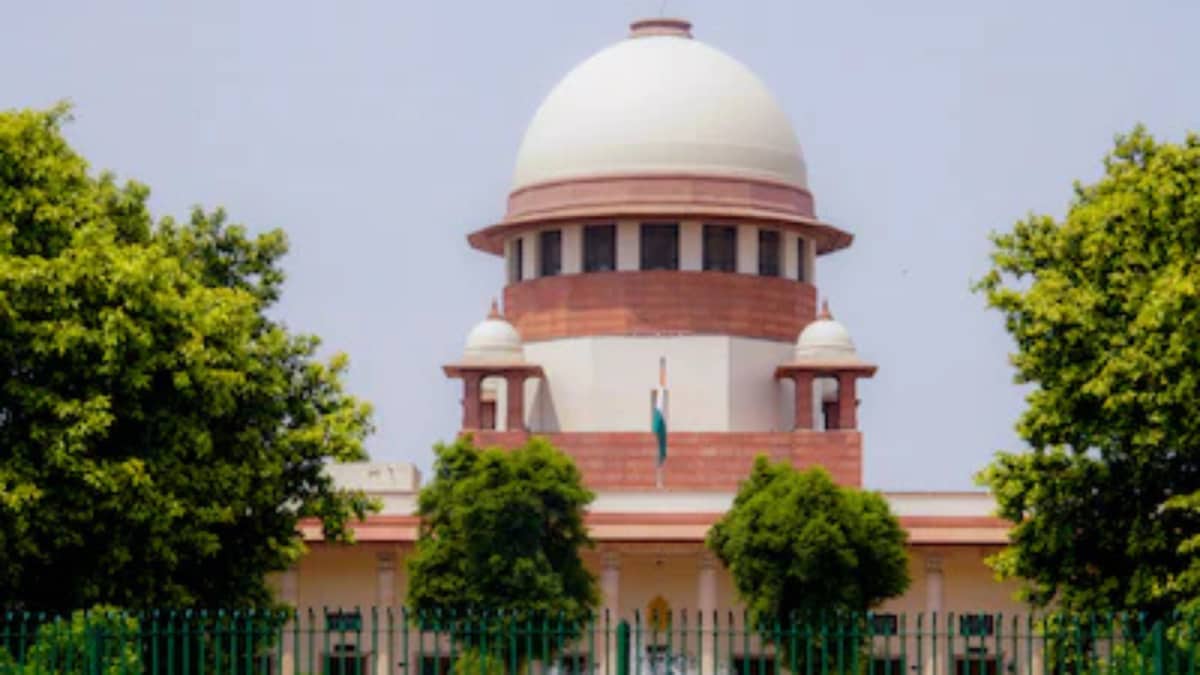
Why the Supreme Court’s Word Matters Right Now
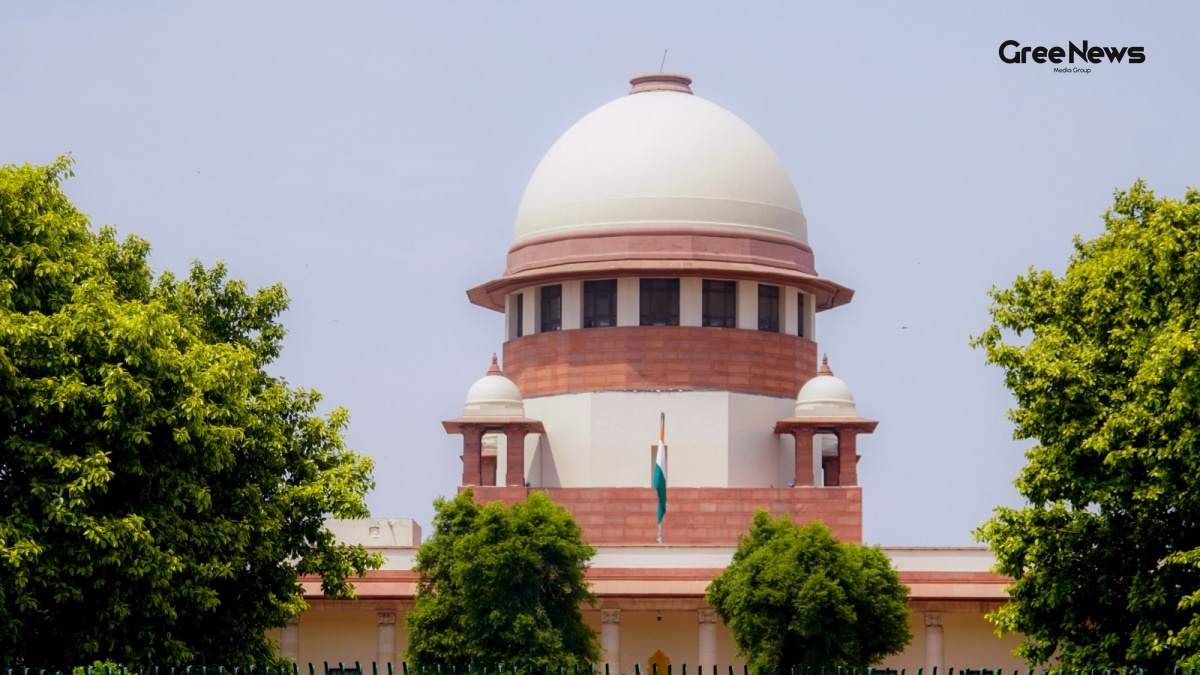
Honestly, when I first read about the Supreme Court stepping into the West Bengal voter‑roll issue, I thought it was just another routine legal tussle. But then the more I dug in, the clearer it became that this was far from ordinary – it’s a real breaking news moment for anyone who cares about democracy in India.
The Court, led by Chief Justice Surya Kant and Justice Joymalya Bagchi, didn’t just listen to legal arguments; they listened to the stories of ordinary folks whose names vanished from the rolls during the Special Intensive Revision (SIR). Imagine being told you can’t vote because some bureaucratic process erased your name – that’s a gut‑punch for any citizen.
What happened next is interesting: the judges emphasized that the right to stay on the voter list isn’t merely a clause in the Constitution. It’s an emotional bond, a promise that every Indian, from a Delhi dabbawalla to a farmer in Malda, can have a say in shaping the country’s future.
What Exactly Is the Special Intensive Revision (SIR)?
Let me break it down in simple terms. The Election Commission occasionally launches a Special Intensive Revision – a massive clean‑up drive of the electoral rolls. The idea is to weed out duplicate entries, delete names of those who have moved away, and update details. In theory, it sounds good – clean lists, smoother elections.
But the reality can be messy. In West Bengal, during the recent SIR, several individuals found their names missing. Some were senior citizens who had lived in the same house for decades; others were young professionals who had recently registered. Their petitions made their way to the Supreme Court, and that’s where the story turned into a viral news piece.
One petitioner told the bench that after seeing his name erased, he felt “invisible” in the democratic process. That emotional weight is exactly what the judges highlighted – the right to stay on the list is more than paperwork; it’s about belonging.
How the Court Framed the Issue: Constitutional and Emotional Angles
During the hearing, the judges reminded everyone that the Constitution guarantees every citizen the right to vote. However, they went a step further and said the right to stay on the roll is also “emotional.” In most cases, people take pride in seeing their name on the list – it’s a symbol of participation, of being heard.
The bench warned authorities not to let the “pressure of elections” blind them. Basically, they said if you’re trying to rush the revision because elections are around the corner, you must not compromise on fairness. That point struck a chord with many who follow trending news India, as it hints at a bigger conversation about how administrative pressure can affect democratic processes.
Many people were surprised by this explicit caution. Usually, courts talk about legal technicalities; this time, they highlighted the human side of voting – a nuance that makes the ruling all the more compelling.
Implications for the Election Machinery
Now, what does this mean for the people handling the rolls? The Supreme Court’s message is crystal clear: while the Election Commission has the authority to revise lists, it must do so without compromising the core right of citizens to stay registered. In practical terms, this could mean more thorough verification before deleting names, and perhaps a better grievance redressal mechanism.
Think about it – if you’re a shopkeeper in Kolkata, you’ve probably seen customers carry voter IDs. If someone’s name gets wrongly deleted, it creates a ripple effect, affecting everything from getting a bank account to certifying your residence. The Court’s admonition that officials “cannot be blinded” by election timelines is a wake‑up call for all of us.
In most cases, the electoral machinery works like a well‑oiled machine. But as this case shows, a single hiccup can turn into a major story, especially when it touches the fundamental right of voting. That’s why this has become one of the most talked‑about pieces of India updates today.
Public Reaction – From Social Media to Street Conversations
When the news broke, it spread like wildfire on social media platforms. People were sharing personal anecdotes about their own experiences with voter‑roll updates. A teacher from Ranchi posted about how his father's name was mistakenly removed, while a student from Hyderabad asked his friends whether they knew their grandparents were still on the rolls.
This wave of sharing turned the legal hearing into a community conversation. Many expressed relief that the Supreme Court had taken a stand, while others demanded more transparency in the SIR process. The chatter turned the case into a viral news story that kept trending for days.
What’s interesting is how the conversation moved beyond politics to touch everyday life. A cab driver in Mumbai joked that “if my passenger can’t vote because his name got deleted, then maybe I should start offering ‘voter roll check’ as a service.” That kind of humor mixed with genuine concern shows just how deep the issue runs.
Looking Ahead – What Might Change?
Going forward, the Supreme Court’s observations could pave the way for reforms. While the Court didn’t issue a direct order to halt the SIR, its strong warning may force the Election Commission to revisit its methodology. Perhaps there will be more checks, like cross‑verification with Aadhaar and other databases, before names are removed.
Experts say that if the Commission takes the bench’s advice seriously, it could set a precedent for other states too. After all, the SIR is not unique to West Bengal – many states conduct similar revisions. A more careful approach could become the new norm, ensuring that the right to stay on the roll is protected nationwide.
This development definitely belongs in the latest news India feeds as it could influence upcoming elections beyond West Bengal. The story also reminds us that democracy thrives when citizens stay vigilant and courts keep a check on administrative excesses.
Final Thoughts – A Personal Take
From my side, reading about the Supreme Court’s stance made me think about my own voter card. I double‑checked my details last month, and it felt reassuring to know that the highest court is watching out for us. It’s easy to take the right to vote for granted, but when that right is threatened, even in a small way, it hits home.
So, if you or someone you know has faced a similar issue, know that you’re not alone. The Supreme Court’s reminder that the right to stay on the rolls carries an emotional weight means that there’s legal recognition of the personal impact of being excluded.
Stay informed, stay engaged, and remember that every name on the list is a voice waiting to be heard. That’s the real power behind the headlines – it’s about people, their stories, and the democratic promise that binds us all.