Planned Hindi‑Books Celebration Cancelled After Community Pushback
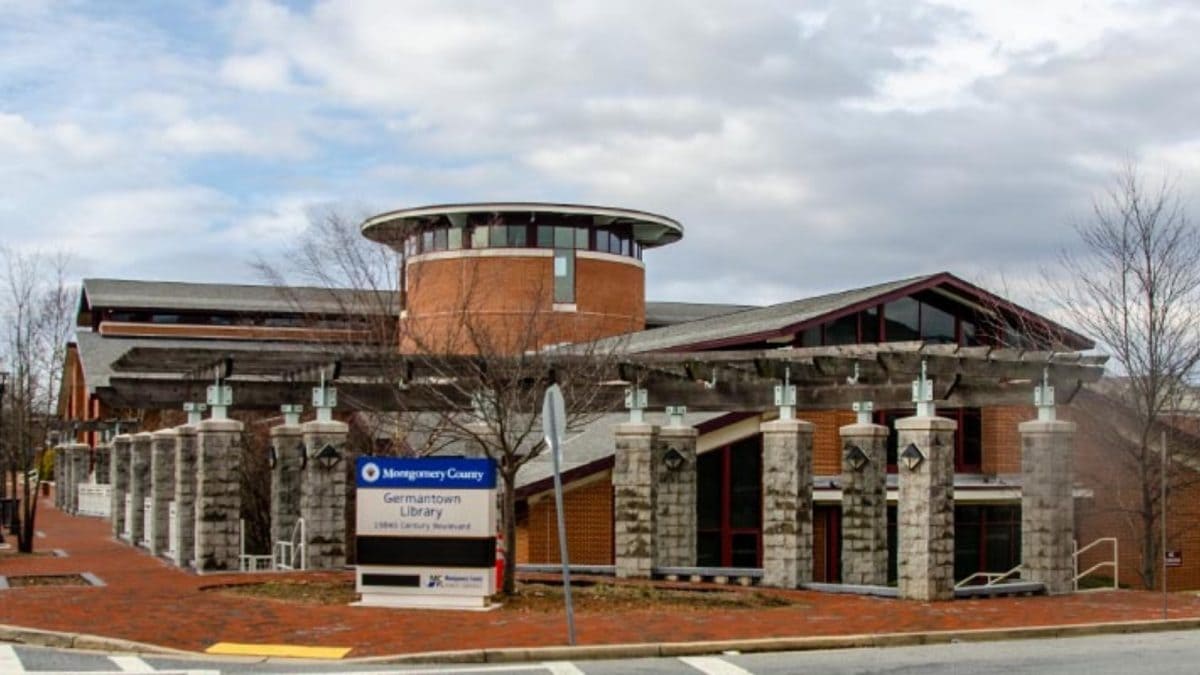
When I first heard about a local library in Maryland planning a big Hindi‑books launch, I thought it was a wonderful example of multicultural outreach. The event, titled “Many Languages, One Library: Celebrating Hindi”, was supposed to highlight more than 160 newly purchased Hindi titles, a chunk of which were funded by the Balvihar Hindi School. Balvihar Hindi School, as many of us know, is linked to the Vishwa Hindu Parishad of America (VHPA). That connection turned out to be the flashpoint.
In most cases, public libraries love to showcase new language collections – it’s part of their mission to serve diverse communities. But here, a coalition of religious, civil‑rights and community organisations raised the alarm, arguing that the VHPA’s involvement could bring a Hindutva ideology into a public space.
Who Said What? The Coalition’s Letter and Its Concerns
The coalition, comprising the Indian American Muslim Council (IAMC), Hindus for Human Rights, the Sikh Coalition, Dalit Solidarity Forum USA and the Religious Nationalisms Project, put together a detailed letter. They described the VHPA as a promoter of Hindutva and warned that its presence in a public‑funded library could "introduce exclusionary ideas into public institutions". The letter was clear: "This concern is not about Hinduism, Hindu culture, or the Hindi language. It is about political ideology entering public institutions under the guise of cultural programming."
What happened next is interesting – the Montgomery County Public Libraries (MPCL) immediately announced the cancellation. A spokesperson for MPCL said the library would "re‑imagine" how it celebrates the Hindi‑speaking community, stressing an "inclusive and community‑centred approach".
Listeners on a local community call even mentioned that the cancellation sparked a wave of discussion on social media, turning the story into a piece of viral news that many were sharing across different platforms.
VHPA’s Reaction: Accusations of a ‘Misinformation Campaign’
Shyam Tiwari, Vice President of the Vishwa Hindu Parishad of America (VHPA), fired back, calling the opposition a "misinformation campaign" by "Hinduphobic groups". He told Bethesda Today that the book initiative began as a grassroots effort by local residents who simply wanted to enrich the library’s collection. According to VHPA, there was no intention to push any hateful or exclusionary agenda.
He also pointed out that the VHPA does not "encourage hostility toward any religion". In my view, the tone of the response seemed aimed at defusing the tension, but many on the ground still felt uneasy, especially after hearing about speakers previously invited by the VHPA who have been labelled anti‑Muslim hate mongers.
That claim became a hot topic in the latest news India is following, as commentators compared it with similar debates happening in other countries about cultural events and political affiliations.
Political Voices Join the Debate
Three South Asian American candidates for the Montgomery County Council – Arif Wali, Hamza Khan and Prabu Selvam – released a joint statement. They said they grew up with Hindi language and culture and that the issue was not about opposing Hindi literature. Their message was clear: Montgomery County must not give a platform to organisations whose record includes the "promotion and normalisation of hate".
This statement, covered by American Bazaar, added another layer to the story, turning it into breaking news for many diaspora communities. The candidates stressed that diversity should be protected, not selectively celebrated.
When I read their words, I could sense the genuine concern of representing a multicultural identity without endorsing any political ideology that could marginalise a section of the community.
Why This Matters: Libraries, Ideology and Community Trust
Public libraries in the United States, especially those with millions of items like Montgomery County Public Libraries (MPCL), are seen as neutral grounds for learning. When an event tied to a polarising organisation is proposed, the line between cultural celebration and political endorsement can blur.
Many people were surprised by the speed of the cancellation. Some argued that the library could have simply invited all sides to speak, ensuring a balanced discussion. Others felt that any association with the Vishwa Hindu Parishad of America (VHPA) was enough to warrant caution.
This controversy has become part of trending news India, as diaspora groups look at how cultural programmes are handled abroad and what that says about the perception of Indian cultures worldwide.
Personal Reflections – A Glimpse Into My Own Library Visits
Whenever I visit a library in my hometown, I love seeing shelves filled with books in different Indian languages – Tamil, Bengali, Marathi, and sometimes Hindi. It reminds me of home and keeps the connection alive. So, when I read about the Montgomery County Public Libraries (MPCL) effort to add Hindi titles, I felt a warm sense of belonging.
But the twist with the Vishwa Hindu Parishad of America (VHPA) made me pause. I started thinking about how many community initiatives I’ve been part of, where funding came from churches, NGOs or local businesses, and whether those donors ever influenced the content. In most cases, the answer was no, but the fear expressed by the Indian American Muslim Council (IAMC) and Hindus for Human Rights seemed rooted in a broader concern about ideological infiltration.
This personal angle might explain why the story caught people’s attention – it isn’t just about a library; it’s about trust we place in public spaces.
Broader Implications for Cultural Programming in the US
Across the United States, similar debates have emerged around festivals, film screenings and literary events funded or supported by organisations with strong political leanings. The Montgomery County Public Libraries (MPCL) case adds to a growing list of situations where libraries must weigh the benefits of diverse programming against the risk of being seen as endorsing a particular ideology.
For Indian diaspora organisations, the incident is a reminder that any partnership with a group perceived as having a Hindutva agenda can invite scrutiny. That’s why many community leaders now stress the need for transparency and clear boundaries.
In fact, this saga has started appearing in several columns of Indian news portals under the tag "India updates", as readers across the globe look for insights on how cultural identity is negotiated abroad.
What Comes Next? Re‑Imagining the Celebration
Montgomery County Public Libraries (MPCL) announced that it will redesign the event to focus solely on the Hindi language and literature, removing any affiliation with the Vishwa Hindu Parishad of America (VHPA). The exact format is still being worked out, but the goal is to keep the celebration "community‑centred" and inclusive.
Many in the community hope that the new plan will still bring those 160+ Hindi books into the hands of readers without the controversy. If the library succeeds, it could become a model for how public institutions navigate cultural programming in a politically sensitive climate.
Until then, the debate stays alive on social media, echoing through forums that discuss the latest news India and the diaspora follow. It’s a story that still feels very much in flux, and I’ll keep an eye on how it unfolds.