Why I Started Looking Up My Family History
Honestly, I never thought I’d be the kind of person who digs into old archives. Growing up, my grandparents would talk in hushed tones about the war, but never mentioned any political leanings. One evening, while scrolling through the latest news India feed, I stumbled upon a piece about a new German online tool that lets anyone check if their relatives were members of the Nazi Party. It sounded like something out of a history documentary, and curiosity got the better of me. I clicked, and the next thing I knew I was typing my great‑grandfather’s name into a search bar that promised to pull up records from the 1930s. I was nervous, because I knew the answer could be uncomfortable, but I also felt a strange excitement almost like opening a sealed box that many people had been too scared to touch.
What the Tool Actually Is
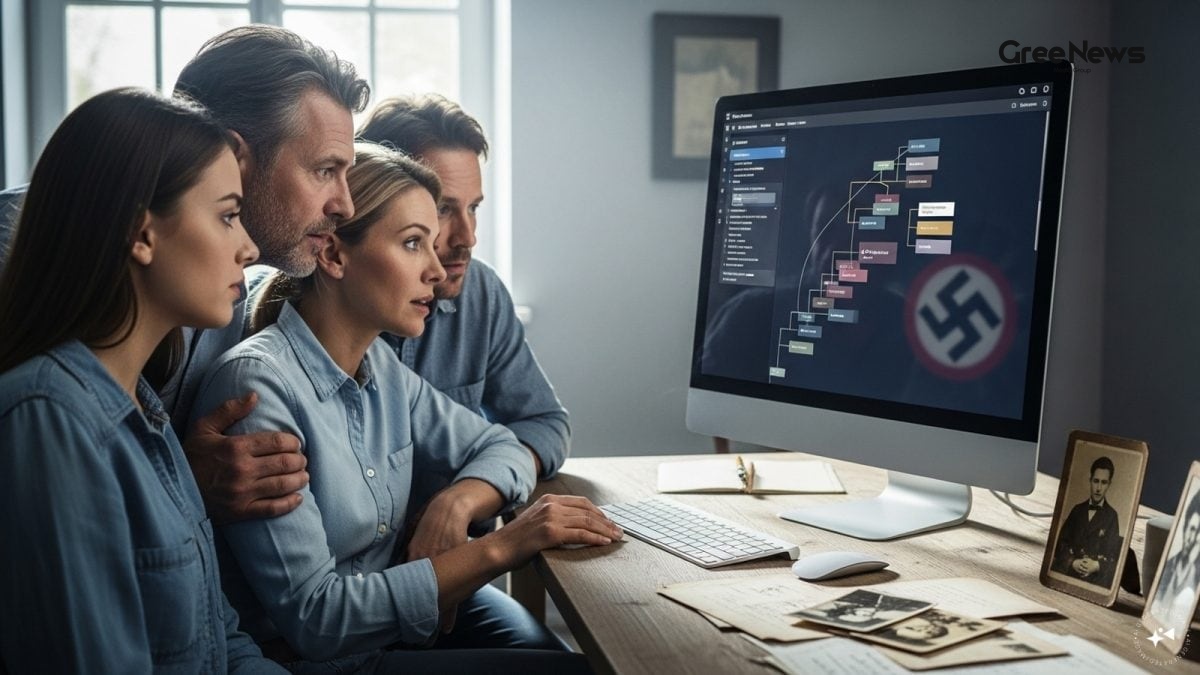
The platform, created by the German weekly Die Zeit, pulls together a massive collection of historical records that were previously scattered across national archives in both Germany and the United States. In plain terms, it’s a searchable database that tells you whether a given person ever signed up for the Nazi Party the National Socialist German Workers' Party (NSDAP) during the period from the early 1920s up to the end of World War II. Die Zeit launched it with a clear intention: to break the silence that many families have lived under, a silence often born out of misplaced shame. The editorial team even called the project a way to "end the silence born of misplaced shame," and they partnered with reputable archives to ensure the information is accurate.
What makes it stand out is its accessibility. Before this, you had to write formal requests to archives, wait weeks for a response, and sometimes travel to a library in a different city. Now, you just type a name, hit search, and the system pulls up any existing party membership records. The entries usually include the date when a person joined, the local branch they were associated with, and sometimes a short note about the role they played. It’s not a perfect system not every single member’s record survived the war, and some names can be misspelled but it does a remarkable job of turning decades‑old paperwork into something anyone can read on a smartphone.
How It Went Viral The Breaking News Effect
Within just a few weeks of going live, the tool turned into viral news across Europe. In fact, the numbers were so high that Die Zeit reported millions of searches already. It felt like a piece of trending news India would have covered it if it happened here you know, those articles that pop up on the front page of every news portal and get shared countless times on WhatsApp groups. I saw it on Facebook, on Twitter, even on a few Indian news newsletters that have a section for breaking news. People were posting screenshots of their search results, sharing emotional reactions, and debating whether they should tell their families about what they found. The buzz was so intense that the tool’s own server logs were mentioned in some tech blogs as an example of how public interest can suddenly spike a niche historical resource.
The surge in curiosity also told us something about the human side of history. Many users admitted they never thought much about their ancestry beyond the usual family stories. Yet the tool provided a concrete way to confront that part of their identity. Some users wrote, “I always assumed my grandparents were uninvolved, but now I see a different picture.” Others said the opposite they were relieved to find no connection. No matter the result, the process sparked conversations that had been dormant for generations.
What the Historians Say Context and Meaning
Christian Staas, who heads Die Zeit’s history department, told CNN that the level of interest is genuinely new. He noted that historically, only a few thousand people each year requested such records, mostly for academic research. The online launch, however, made it as easy as checking the weather on a phone. Staas explained that many former NSDAP members or people involved in Nazi crimes are no longer alive, which makes it psychologically easier for younger generations to ask these questions without fearing direct backlash from older relatives.
When I read about the expert opinions, I remembered a similar situation back home when a genealogical website in India started offering access to old land ownership records. Suddenly, people were debating the legacy of colonial tax policies. The parallel is clear: once the data becomes publicly reachable, people start reassessing narratives they had accepted for years.
Another scholar, Christine Schmidt from the Wiener Holocaust Library, highlighted that many joined the Nazi Party for reasons that weren’t purely ideological economic hardship, a desire for social belonging, or nationalist fervor all played a part. She emphasized that broader access to these records is vital for fighting misinformation, especially in an era where “fake history” spreads faster than ever. In an Indian context, we see similar challenges with misinformation about the Partition or the British era, making such factual databases incredibly valuable.
Real Reactions Voices from the Search
Among the flood of comments, a few stood out for how raw they sounded. One user, who chose the handle Katha1927, wrote, “My feelings are all over the place right now. I’m wondering which entry date I find worse: 1931 so early, already so convinced? Or 1941 even though they already knew so much?” The mix of shock and reflection in that short line captured what many were feeling.
Another commenter, who had been wondering for over forty years whether his great‑grandfather was a party member, shared, “He was a railroad engineer during the Nazi era and always flew into a rage whenever the topic of the war came up. Question answered. Thank you, ZEIT. Even though it hurts terribly.” The emotional weight was palpable it was as if a family secret had finally been lifted, but the revelation also opened a wound that needed healing.
What caught people’s attention the most was how many users expressed a mix of guilt, empathy, and even relief. Some admitted they felt a “sense of relief” when the search returned a negative result, while others said they felt a “deep sadness” because their ancestors had indeed been part of the regime. The tool, therefore, became more than a historical data set; it turned into a mirror reflecting personal identity and collective memory.
Why This Matters for All of Us Lessons and Reflections
From my own experience, I realised that digging into the past isn’t just an academic exercise. It forces you to confront uncomfortable truths, and it can change the way you see your family, your community, and even your nation. In India, we have similar debates about ancestral involvement in colonial administration, or about how some families benefited from the British legal system. The German tool shows that when transparent data is made available, it can lead to honest discussions instead of hidden shame.
The expert consensus is that you can’t rewrite history, but you can certainly understand it better. By giving people a chance to verify facts themselves, platforms like this help stop the spread of “alternative history” narratives that often pop up in political debates. In a country where “trending news India” constantly includes debates over historical interpretation, having access to original records is a game‑changer.
Moreover, the enthusiasm surrounding the tool highlights how the public is hungry for connectivity with the past. It’s not just a niche interest for scholars it’s a widespread desire to piece together personal stories that fit into the larger mosaic of world events. The fact that millions jumped onto the platform proves that people want to know even if the answer is painful.
Looking Forward What Could Come Next?
Die Zeit has already hinted that they may expand the database to include other types of records, such as membership in different political parties or even documentation of individuals who resisted the regime. If that happens, it could become a model for other countries dealing with difficult historical legacies.
For us in India, the model is inspiring. Imagine a similar portal that lets citizens check if any of their ancestors held positions in the British Civil Service, or were involved in the Freedom Struggle not to shame, but to contextualise the family narrative within the broader national story. This could become a part of the regular India updates that people look forward to on their news apps.
Until then, as a first‑hand user of this German tool, I can say that the experience was a mix of awe, unease, and a deep appreciation for the power of open archives. If you ever get a chance to try it, be prepared the truth is often more complicated than the story we grew up hearing, but that’s exactly why it’s worth exploring.