Why the whole thing feels like a Bollywood plot
Honestly, when I first saw the latest news India feeds about a clash inside Tehran, I thought it was another viral news clip from a movie set. But no it’s the real deal. The Islamic Revolutionary Guard Corps, or IRGC for short, is apparently at odds with its own Foreign Ministry. And the reason? A big, messy vacuum after the killing of Supreme Leader Ali Khamenei in a US‑Israeli strike. In most cases, when a top leader is gone, the whole system shakes, and here it has left the Iranian chain of command looking… well, kind of adrift.
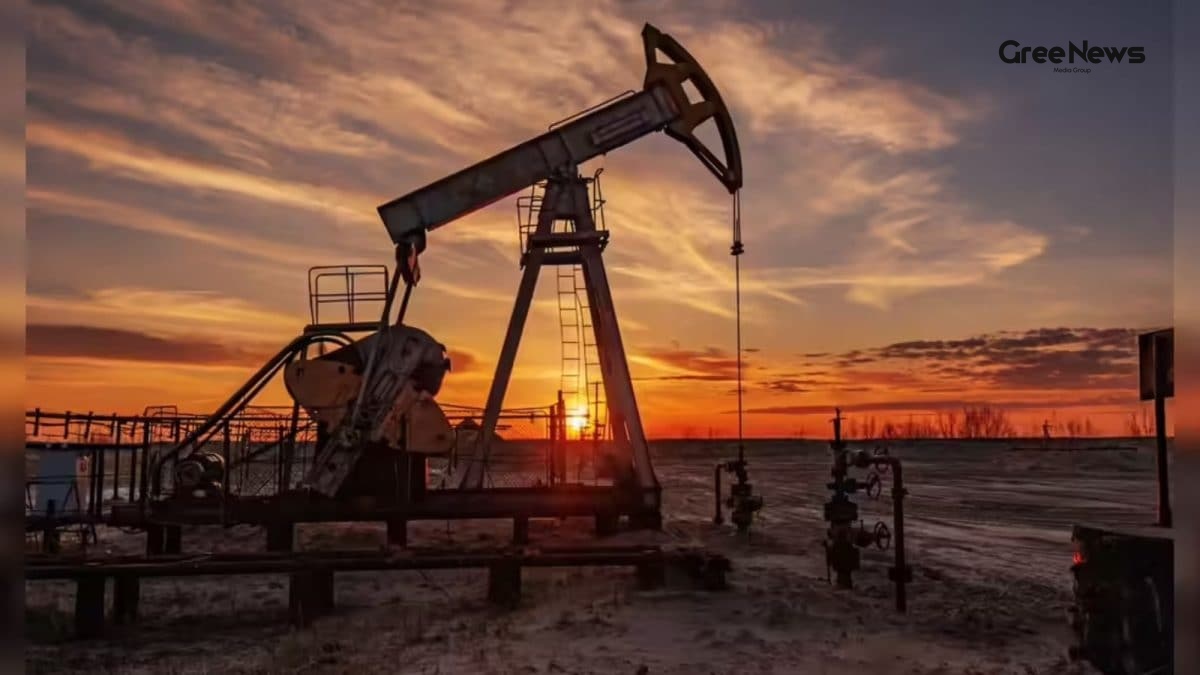
Now, you might wonder why this is breaking news for us in India. The answer is simple: the Gut‑wrenching power struggle in Iran spills over into the Strait of Hormuz, a chokepoint that carries a huge chunk of our oil imports. If the IRGC starts playing hardball, our energy security could feel the tremors. That’s why I keep an eye on trending news India stories that talk about the Gulf, because they often end up as India updates on trade and security.
IRGC’s grudge against the Foreign Ministry what’s the real spark?
To get the full picture, let’s start with the key players. Ahmad Vahidi, the commander‑in‑chief of the IRGC, has repeatedly labelled the diplomatic outreach by Araghchi as “bad and incomplete”. The hard‑liners think Araghchi and even Parliament Speaker Mohammad Bagher Ghalibaf are trying to go solo on super sensitive files nuclear talks, missile development, and the handling of proxy groups like Hezbollah and Hamas. Basically, they feel the diplomats are stepping on the Guard’s toes.
The IRGC’s own mouthpiece, Tasnim, didn’t hold back either. It slammed Araghchi’s description of the Hormuz reopening as a “standard post‑ceasefire measure”. From the Guard’s perspective, any “positive wording” towards the West feels like a dangerous slip. The irony? Araghchi’s team was partly appointed by the previous leadership, which makes the current IRGC brass see them as outsiders, not the Guard’s own people.
What struck me the most and what many people found surprising was that the IRGC is not just quietly dissenting. It’s openly sabotaging diplomatic moves, pulling strings behind the scenes, and even threatening to block certain initiatives. It’s like watching a cricket match where one team keeps changing the field placements without telling the other side.
Enter the ‘Zolghadr’ factor who is he and why does he matter?
Now, let’s talk about the name you’ve probably heard in the news column: Mohammad‑Bagher Zolghadr. He is the Secretary of the Supreme National Security Council and has deep ties to the IRGC. Ahmad Vahidi has been pushing hard to have Mohammad‑Bagher Zolghadr embedded in the Iranian delegation that’s currently in Islamabad for talks.
The goal, as the IRGC sees it, is to turn the diplomatic mission into a kind of operational wing of the Guard. In other words, they want a soldier‑like presence at the negotiating table, not a bunch of suit‑and‑tie diplomats. Araghchi, on the other hand, argues that Mohammad‑Bagher Zolghadr lacks the “negotiating expertise” needed for delicate talks. This tug‑of‑war has turned the Islamabad talks into a three‑way battlefield: Iranian diplomats, IRGC hard‑liners, and external mediators one of them being Munir Trump.
Now, imagine watching a reality TV show where the contestants keep bringing in new players mid‑game. That’s basically what’s happening here, and the stakes are sky‑high because the outcomes could dictate how the Strait of Hormuz behaves in the coming months.
How the Khamenei vacuum reshapes global security
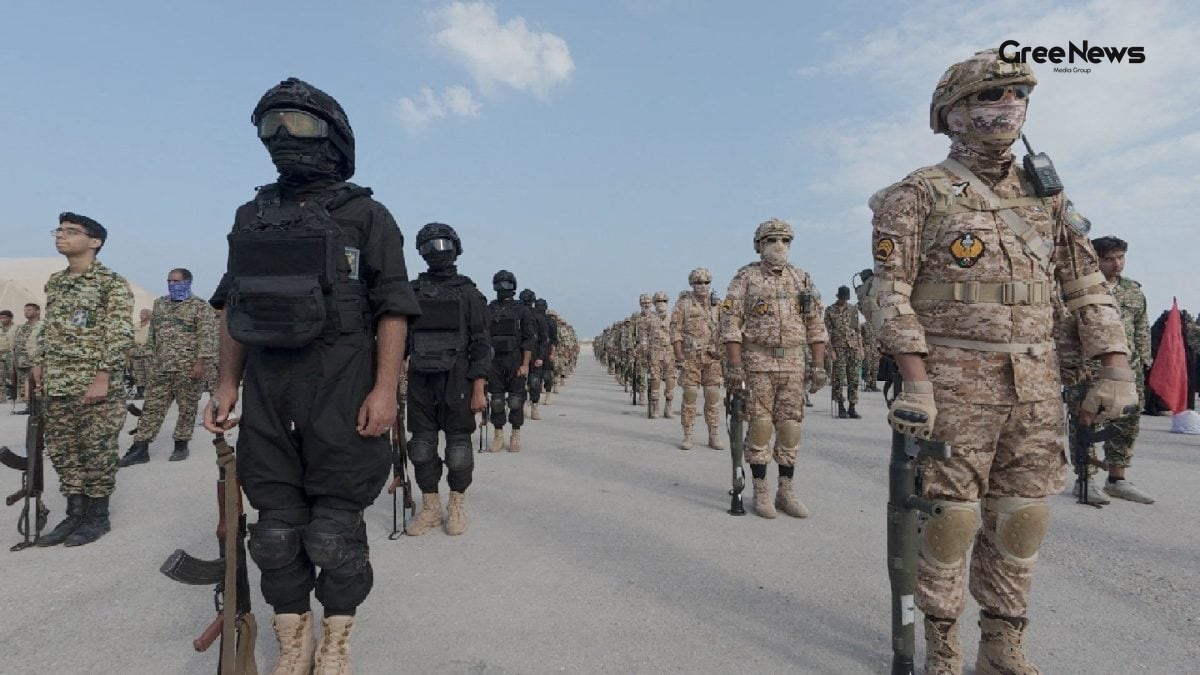
When Supreme Leader Ali Khamenei was taken out, the IRGC lost its singular ideological anchor. In the absence of that central figure, the Guard has become more reactive, clinging fiercely to its remaining spheres of influence especially the Hormuz waterway. Intelligence reports that have been floating around in the breaking news circles suggest the IRGC fears any diplomatic “thaw” will eat into its relevance and funding in a post‑Khamenei Iran.
For the rest of the world and especially for India this means Tehran is no longer a single, uniform entity. A promise made by a diplomat in a crisp suit can be instantly countered by a commander stepping onto a gunboat. In most cases, the most hard‑line voice ends up echoing the loudest.
What’s more, the ripple effect on global security is palpable. With the IRGC potentially testing its firepower in the Gulf, any flare‑up could trigger a chain reaction, affecting shipping lanes that carry a substantial portion of India’s oil. That’s why the story keeps popping up in viral news feeds, because the economic stakes are massive.
What does this mean for India? A friend‑to‑friend briefing
Let’s bring it home. Imagine you’re planning a road trip from Delhi to Mumbai, and suddenly the main highway gets a sudden blockade because two construction crews can’t aGree on who should lead the work. That’s the kind of disruption we’re looking at in the Gulf.
First, the safety of our oil shipments through the Strait of Hormuz could be compromised. If the IRGC decides to flex its muscles, we could see a surge in insurance premiums for tanker operators, which would directly translate into higher fuel costs back home. This is part of the “India updates” that get discussed in business forums across the country.
Second, diplomatic channels that New Delhi relies on for regional stability could become muddled. With the IRGC trying to embed Mohammad‑Bagher Zolghadr into talks, the message coming out of Tehran may be mixed soft‑spoken on one side, hard‑ball on the other. That makes it tougher for Indian envoys to read the room and craft effective responses.
Lastly, there’s a security angle. The Guard’s heightened focus on the Hormuz region might spill over into the Arabian Sea, where Indian Navy ships conduct routine patrols. While there’s no immediate sign of a direct clash, the very possibility keeps our defense planners on high alert.
So, the next time you see a trending news India headline about the Gulf, remember it isn’t just about distant politics it’s about the price you pay at the petrol pump and the safety of Indian shipping routes.
Wrapping up why you should keep an eye on this story
All in all, the internal war between the IRGC and the Foreign Ministry is more than a domestic Iranian drama. It’s a story that ties together military posturing, diplomatic chess, and economic consequences that ripple all the way to Indian households. The fact that Ahmad Vahidi is pushing for Mohammad‑Bagher Zolghadr’s inclusion while Araghchi resists, all under the looming shadow of Supreme Leader Ali Khamenei’s death, creates a volatile mix.
If you’re a regular reader of breaking news, you’ve probably noticed how quickly this saga has turned viral. The reason? It’s a potent mix of power politics, strategic waterways, and the ever‑present question of who really calls the shots in Tehran. Keep following the latest news India feeds, because every new development could shift the balance and, in turn, impact India’s energy security and foreign policy.
And as a final thought when you hear about a gunboat sailing near Hormuz or a diplomat walking into a conference room in Islamabad, remember there’s an unseen tug‑of‑war playing out behind the scenes. That’s the story that makes this piece more than just a report; it’s a snapshot of a world where a single death has reshaped the destiny of a region, and by extension, the everyday lives of people like you and me in India.