What’s happening with Brent and WTI right now?
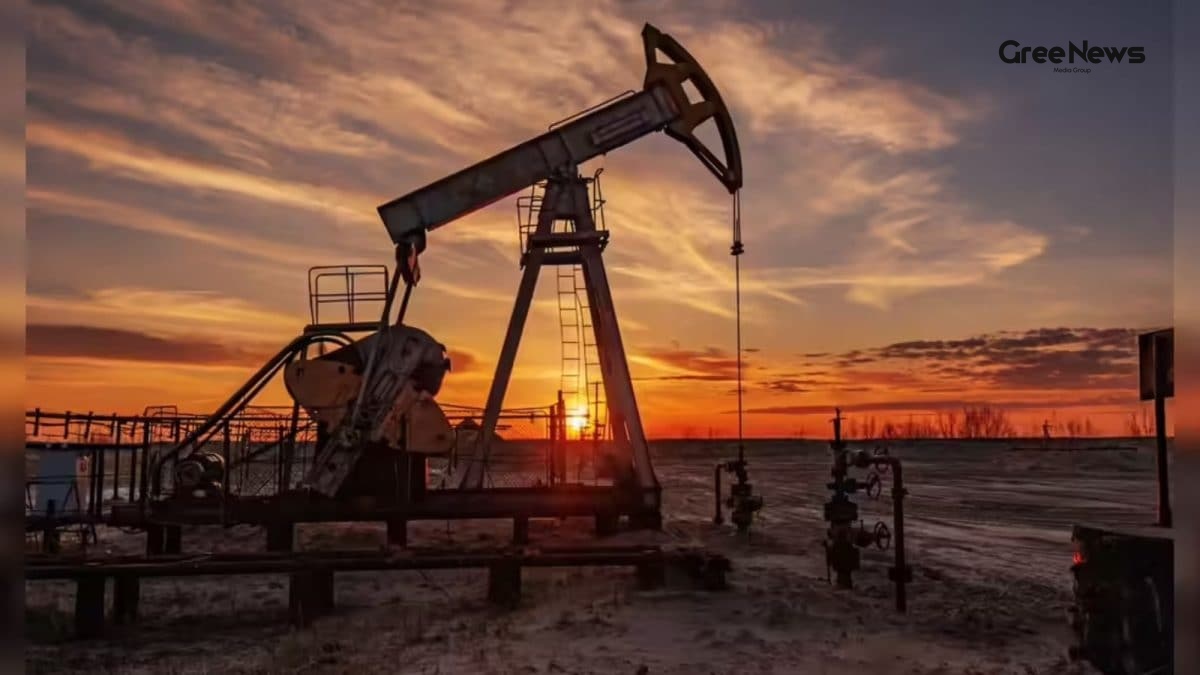
Honestly, when I first glanced at the numbers this morning, I could feel the tension easing a bit. Brent crude, which had been dancing around the $105‑$110 region, finally slipped toward $98 a barrel. At the same time, West Texas Intermediate that good‑old WTI that we all hear about in the news stayed close to $93. It’s like the market finally got a breather after weeks of sharp swings.
If you’re scrolling through the latest news India feeds, you’ll see headlines shouting about “breaking news” on oil, but the real story is a bit more nuanced. The reason behind this softening? President Donald Trump’s tone this week. He sounded way more optimistic about getting a cease‑fire with Iran, something that many of us in the Indian market have been hoping for, because any easing of tension in the Persian Gulf usually translates to lower pump prices for us.
Now, let’s be clear this isn’t a permanent fix. The President hinted that Tehran might be ready to reopen the Strait of Hormuz, a choke point that handles almost a fifth of the world’s crude flow. But so far, Iranian officials haven’t officially said a word. That’s why the markets are still a little jittery; it’s like waiting for that friend who says “I might be able to pay you back tomorrow” but never actually confirms the date.
Why the Strait of Hormuz matters to us
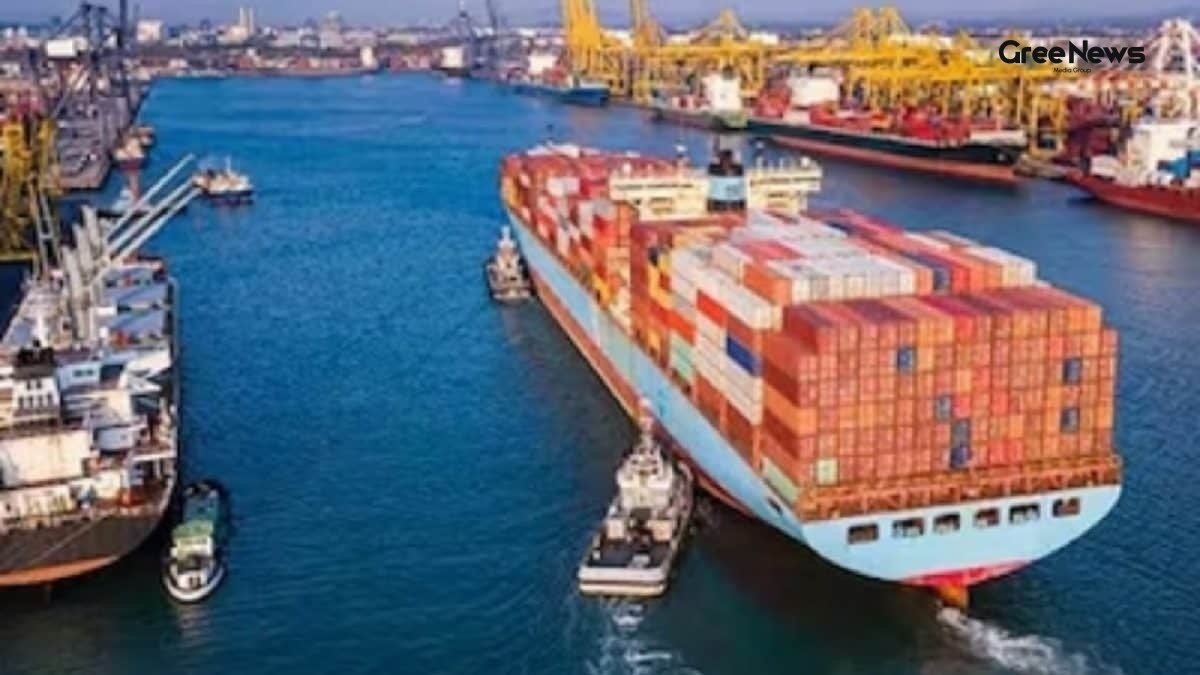
Imagine you’re on a Mumbai local train during rush hour cramped, noisy, and you’re hoping the next station will be less packed. The Strait of Hormuz works the same way for oil. When it’s blocked or under threat, the whole global supply chain feels the pinch, and the price tags at the pump go up.
Earlier in the conflict, Iran decided to restrict traffic through the Strait an action that sent shockwaves across the market. Add to that the U.S. naval blockade, and you had a perfect storm that sent prices soaring. For an Indian consumer, that meant higher diesel for trucks, pricier petrol for cars, and ultimately an impact on the cost of goods that travel across the country.
What’s interesting and what many people were surprised by is how quickly the market responded to the President’s recent comments. It’s like the moment you hear that the rain will finally stop during the monsoon, you step out of the house and feel the fresh air. That optimism gave traders a reason to pull back a little, and we saw Brent retreat toward $98.
Diplomacy’s slow grind: the reality behind the headlines
But here’s the catch while Trump’s tone sounded upbeat, diplomats across the Gulf region and Europe stayed very guarded. In most cases, they’re telling us that a full‑blown US‑Iran aGreement could still take several months to materialise. That’s a long time in oil‑price terms, especially when you consider how volatile the market has been lately.
There’s a growing chorus of voices urging that the existing cease‑fire be extended. Think of it like extending a holiday to enjoy a few more days of relaxation before the school term starts again. The idea is to buy more time for negotiations and to prevent the market from jumping back into panic mode.
Even though the President’s remarks gave a brief sense of relief, the ground reality is that both sides are still playing a cautious game. Iranian officials haven’t confirmed any willingness to reopen the Strait, and the U.S. administration is balancing pressure with diplomatic outreach. For us, that means we have to keep an eye on the news, especially the trending news India portals that pick up any slight change in tone.
How the 50‑day conflict has reshaped oil markets
The conflict is now nearing the 50‑day mark, and that number is more than just a statistic it’s a marker of how much the world’s oil supply chain has been rattled. When you add up the reduced traffic through the Strait, the naval blockades, and the general sense of insecurity, it’s no surprise that the market has seen some wild price swings.
In the early days of the crisis, we saw Brent jump as high as $140 per barrel. Fast forward to now, and it’s hovering around $98. That’s a massive correction, but it also shows how sensitive oil prices are to geopolitical developments. The latest shift shows a market that is finally tasting a little stability like finally getting some relief from that endless traffic jam on the Mumbai‑Pune Expressway.
Even though the price dip feels good, the underlying volatility isn’t gone. Options data from the past week points to a drop in implied volatility, but it’s still higher than the calm periods we enjoyed before the conflict erupted. It’s a bit like the calm after a storm that still leaves a few broken branches on the road.
Regional ripple effects: Israel‑Lebanon cease‑fire and Hezbollah
Another piece of the puzzle that’s often overlooked is the ten‑day cease‑fire between Israel and Lebanon. While it may sound like a footnote, it actually plays a big role in the broader stability of the region. Israel’s tension with Hezbollah which, let’s not forget, is a key Iranian ally adds another layer of complexity to the whole de‑escalation effort.
When the two sides aGree to a short‑term pause, it sends a subtle signal to markets that there might be a window for diplomatic progress. That’s why, even though the cease‑fire is just ten days, many analysts keep a keen eye on it. For us in India, it means that any escalation could quickly roll back the modest price gains we’ve seen recently.
And here’s a little anecdote from my own experience: during last year’s brief lull, I remember the petrol stations in Delhi suddenly offering a small discount for a few days. It turned out to be a result of a temporary dip in crude prices after a brief de‑escalation in the Middle East. That memory reminded me just how closely our domestic fuel market is linked to these distant geopolitical events.
What does this mean for Indian consumers?
From an Indian perspective, every dip in Brent or WTI can eventually reflect in the price we pay at the petrol pump. While the link isn’t always one‑to‑one, a $5‑10 drop in the barrel price can shave off a couple of rupees per litre in the end. It’s not a massive saving, but for a middle‑class family budgeting for daily commuting, every rupee counts.
Moreover, lower oil prices can help reduce freight costs for goods traveling across the country. That means cheaper transport rates for everything from mangoes to mobile phones. In most Indian households, that translates to a slightly lower grocery bill a subtle yet noticeable impact.
But we also have to stay cautious. The market can swing back up quickly if any new flashpoint emerges. The President’s optimistic tone might be a short‑lived lull, and there’s always the risk of a sudden geopolitical flare‑up that could send the price barometer back up. That’s why keeping an eye on the latest news India feeds and following the “viral news” around the Middle East is essential for anyone trying to anticipate fuel price trends.
How traders are reacting a peek inside the market
If you’ve ever watched a cargo ship’s cargo list, you know that traders love a good story. Right now, the narrative is shifting from “war‑driven price spikes” to “potential diplomatic breakthrough”. That shift has been reflected in the trading volumes. You’ll notice that the number of contracts being rolled over in the Brent futures market has softened, indicating that traders are not as eager to chase the sky‑high prices they saw a few weeks back.
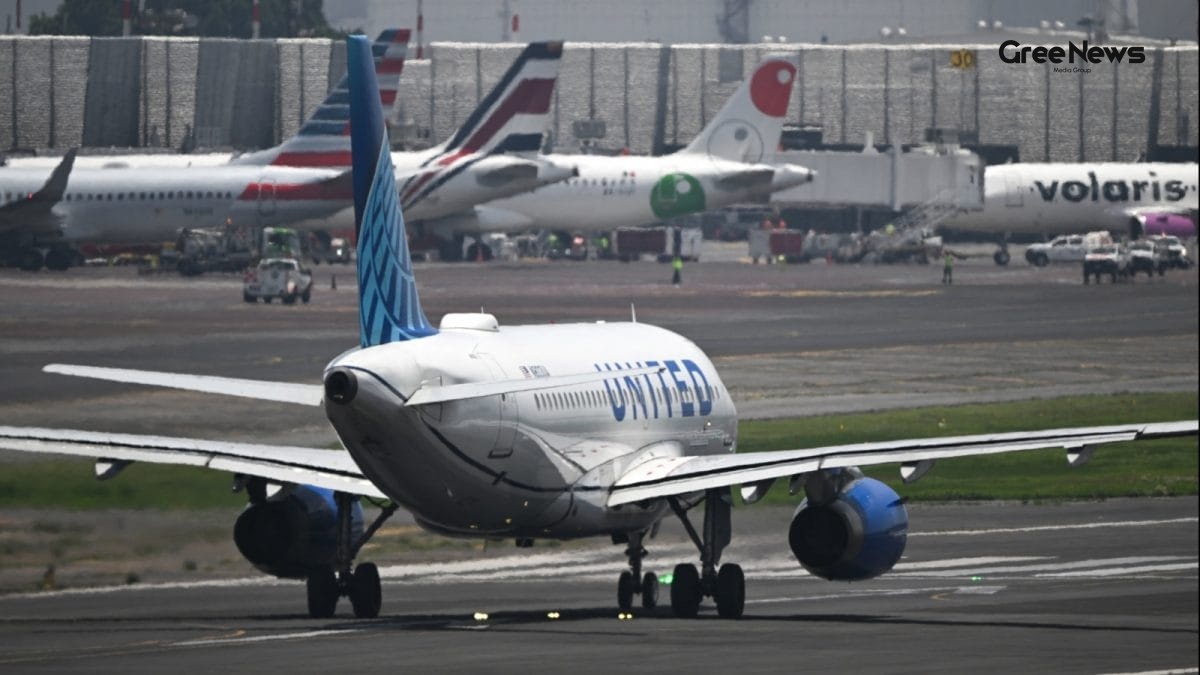
In most cases, you’ll see more hedgers like airline companies and transportation firms buying forward contracts at the lower $98 level, hoping to lock in cheaper fuel for the next few months. It’s a classic example of how global events ripple through to everyday business in India. When airlines secure cheaper fuel, they might pass on some savings to passengers, which is something we all look forward to during the holiday travel season.
Because the market is still sensitive, any new statement from the White House or Tehran can cause a quick spike. Remember when, just last week, a brief comment from a US diplomat about potential sanctions caused Brent to jump a few dollars? That’s the kind of volatility that keeps traders on their toes and makes the market feel like a roller coaster.
What’s next? Possible scenarios and their impact
Looking ahead, there are a few plausible paths:
- Scenario 1 Full cease‑fire and reopening of the Strait: If Iran does decide to open the Strait of Hormuz, we could see Brent slip further, maybe even breach the $95 barrier. That would be great news for Indian consumers, potentially bringing down pump prices by a noticeable margin.
- Scenario 2 Partial aGreement with limited reopening: The market might stay in a narrow range, with Brent hovering around $97‑$100. In this case, we’d likely see a modest, stable fuel price trend good enough for most households.
- Scenario 3 Escalation or new flare‑up: Any renewed fighting could instantly send Brent soaring back above $110. That would be a shock for the Indian market, leading to a quick rise in transport costs, higher inflation, and a possible tightening of credit for businesses dependent on oil.
For now, the most realistic expectation seems to be a cautious optimism a slight easing of tensions but no definitive breakthrough. That’s why I keep checking the “breaking news” sections of the major Indian portals every few hours, just to see if there’s any new development that could shake things up.
Final thoughts keeping an eye on the oil horizon
All in all, the recent dip in Brent to $98 is a welcome breather, especially after weeks of anxiety watching the oil market swing like a pendulum. While the President’s hopeful tone gave the market a nudge, the reality on the ground in Tehran and the broader Gulf remains delicate.
For us back home in India, the storyline matters because it directly influences how much we spend on fuel, how expensive goods become, and even how much we might have to budget for a family road trip during the festive season. So, the next time you see a “viral news” header about oil in your feed, remember there’s a whole chain of events linking that headline to the petrol pump outside your house.
Stay tuned, keep an eye on the latest updates, and maybe treat yourself to a small celebration if the price does finally drop a few rupees. After all, a little optimism in the oil market can feel like a fresh cup of chai on a rainy evening comforting and hopeful.