Why I Started Paying Attention to Ibogaine
Honestly, I never thought I’d be the type to read about psychedelic drugs while sipping chai on a lazy Saturday. But when I saw the headline about Donald Trump signing an executive order to boost research on these substances, it felt like one of those breaking news moments that make you sit up straight. I’d been scrolling through the latest news India posted on my phone, and there it was a story that mixed politics, veteran welfare and a plant that’s been used for centuries in Central Africa. It was the kind of viral news that made me curious: what exactly is ibogaine, and why is it suddenly getting the Green light?
What caught people’s attention was not just the name of the drug but the fact that it could potentially help our veterans who are battling PTSD and traumatic brain injuries. As someone who has a neighbour whose brother served in the armed forces, the plight of those veterans feels close to home. The idea that a natural compound, once used in spiritual ceremonies, might become a medical breakthrough is something you don’t hear about every day especially in the context of US policy.
What the Executive Order Actually Says
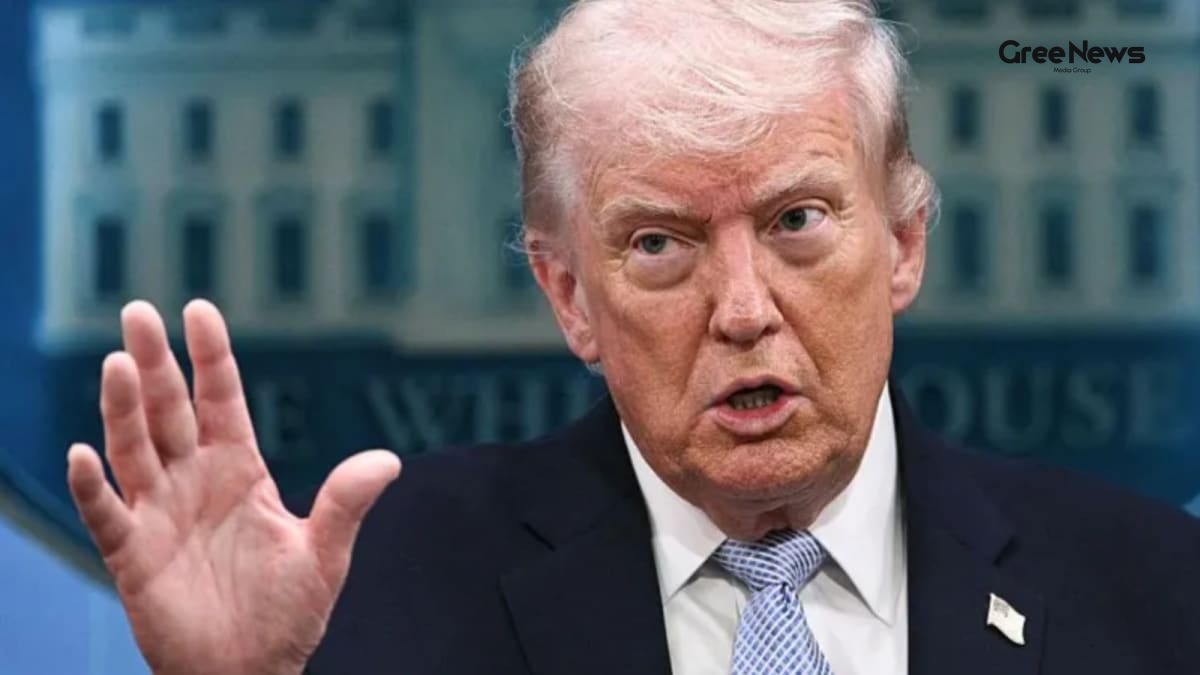
According to the text of the order, the Food and Drug Administration (FDA) is being asked to update its approach to drug safety specifically for psychedelics. In simple terms, this means the agency would provide clearer guidelines for researchers who want to run clinical trials on substances like psilocybin, ibogaine, LSD, MDMA and other serotonin‑receptor agonists. The order also highlights the need to focus on post‑traumatic stress disorder (PTSD) and traumatic brain injury (TBI) conditions that disproportionately affect military veterans.
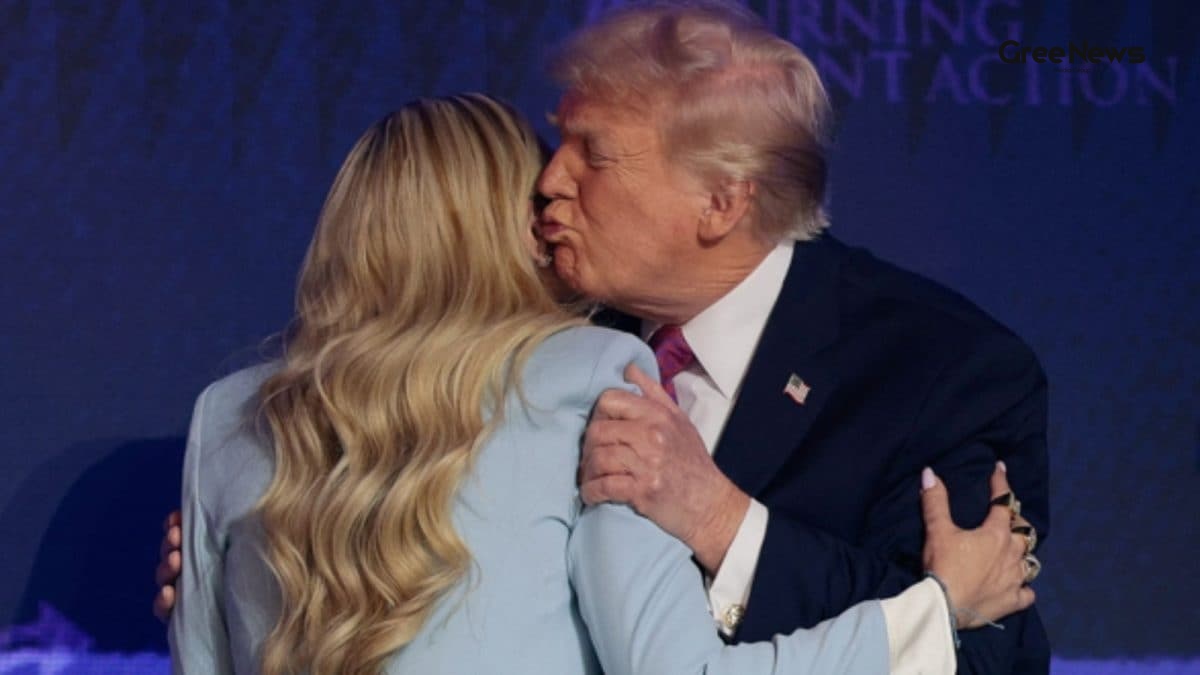
Donald Trump, who signed the order on a Saturday, said he wants to make sure “American patients have access to breakthrough treatments and therapies,” especially for veterans. He added that he has a “real love for our veterans.” That line sounded heartfelt, and many people were surprised by this emphasis on mental‑health care in a policy move that, on the surface, looks like it’s about drug regulation.
In most cases, FDA guidelines are a big barrier for scientists because they need to prove safety before they can even start a study. By telling the FDA to be more flexible, the order hopes to remove some of those regulatory roadblocks that have kept detailed research into ibogaine and its cousins in the shadows for years.
Getting to Know Ibogaine: The Plant Behind the Buzz
So, what is ibogaine? In short, it’s a naturally occurring psychoactive compound extracted from the root of the Tabernanthe iboga plant, which grows in Central Africa. The plant has been used for centuries in traditional spiritual and ceremonial practices by indigenous communities. They would take the root bark in a ritual setting to induce deep introspection and, according to their beliefs, to connect with the spirit world.
In recent decades, scientists have started looking at ibogaine for its potential medical benefits, especially in addiction treatment. Some early studies suggest it can reduce cravings and alleviate withdrawal symptoms for people battling substance dependence. That’s why the executive order is so important it might finally give researchers the chance to explore ibogaine’s full therapeutic profile, including its possible role in treating PTSD.
One thing to keep in mind is that ibogaine is still classified as a Schedule I substance in the United States. This classification means the government currently believes the drug has no accepted medical use and a high potential for abuse. Because of this, any research has to jump through a lot of hoops something the new order hopes to change.
Early Scientific Findings What We Know So Far
Even before the order, a handful of pioneering studies hinted at ib ibogaine’s promise. For instance, researchers at Stanford Medicine reported that when ibogaine was paired with magnesium a mineral that helps protect heart health veterans showed improvements in anxiety, depression and overall cognitive function. The study measured brain activity and found an increase in theta‑wave activity, which is often associated with relaxed focus and better memory consolidation.
Another study, published in mid‑2025, observed veterans with traumatic brain injury who received ibogaine treatment. The scientists noticed a reduction in PTSD symptoms and a simpler pattern of brain connectivity in regions linked to stress response. In other words, the drug seemed to help the brain “reset” in a way that made it less reactive to trauma triggers.
However, it’s critical to point out that these findings are still preliminary. Most of the research involved small sample sizes, and the long‑term safety profile of ibogaine remains unclear. Experts stress that more rigorous, large‑scale trials are needed before we can declare ibogaine a proven treatment for PTSD or addiction.
Why This Matters for Veterans and Beyond
From a personal perspective, the story hits close to home because I know a few families with veterans who still struggle with the after‑effects of combat. Traditional medication and therapy often fall short, leaving many feeling hopeless. If ibogaine can genuinely reduce cravings or ease the burden of PTSD, it could be a lifeline for those who have given so much.
Moreover, the move could signal a broader shift in how the United States approaches mental‑health treatment. By opening the door to psychedelics, the government might be acknowledging that some of the hardest‑to‑treat conditions need unconventional solutions. This is not just a US story the news has become trending news India, with many Indian mental‑health advocates watching closely to see if similar research could one day be allowed in India.
What happened next is interesting: as soon as the order was announced, several research institutions across the globe reported an uptick in grant applications for psychedelic studies. In the US, the National Institutes of Health (NIH) hinted at faster review processes, while private foundations started earmarking funds specifically for ibogaine‑related projects.
Potential Risks and the Need for Caution
While the excitement is understandable, we must not forget that ibogaine can have serious side effects. There have been reports of heart rhythm disturbances and, in rare cases, fatalities when the drug is taken without proper medical supervision. That’s why the FDA’s role in setting safety guidelines is so crucial we need a clear framework to protect participants in upcoming trials.
Researchers also warn that the psychoactive nature of ibogaine could make it unsuitable for some patients, especially those with a history of psychosis. As a result, any future clinical program will likely include thorough screening procedures and close monitoring throughout the treatment period.
In most cases, the benefits and risks will have to be balanced on an individual basis, and the scientific community is still gathering the data needed to make those judgments responsibly.
How This Could Influence Future Policy
Looking ahead, the executive order may pave the way for broader reforms. If ibogaine trials show positive outcomes, it could lead to a re‑classification of the drug, moving it out of the Schedule I bucket and enabling wider medical use. That would be a massive shift, not just for the US but potentially for other countries watching the trend.
From an Indian perspective, the story is already making waves as a piece of breaking news that could inspire local researchers to lobby for similar studies here. India has a rich history of Ayurvedic and plant‑based medicines, and the idea of exploring a traditional African plant for modern mental‑health treatment feels strangely familiar. Many Indian health forums have started discussions about whether ibogaine could someday be part of the therapeutic arsenal in India, especially for addiction and PTSD.
Of course, any such move would have to go through the country's own regulatory bodies, but the precedent set by the US could serve as a catalyst for change.
Personal Takeaway Why I’ll Keep Following This Story
To be honest, I’m not a medical expert, but the whole saga feels like a blend of science, compassion and political will all coming together. The fact that a former president is using his platform to push for better mental‑health care for veterans and that he’s willing to look beyond conventional drugs gives me hope that other entrenched issues might also get fresh attention.
Every time I scroll through my news feed and see this story resurfacing as part of trending news India, I’m reminded that change often starts with a single policy decision. Whether ibogaine eventually becomes a mainstream treatment or remains a niche therapy, the conversation it has sparked is already valuable. It forces us to ask hard questions about how we treat trauma, addiction and the mind in general.
So, if you’re curious about the latest developments in psychedelic research, keep an eye on the FDA announcements, watch for new clinical trial results, and don’t shy away from discussing the topic with friends and family. After all, the more we talk about it, the faster we can move from curiosity to real, evidence‑based solutions.