So, I was scrolling through my phone this morning, catching up on the latest news India is buzzing about, when I stumbled upon a piece that made me pause. It wasn’t just another breaking news headline about the usual traffic jam in Delhi or the next Bollywood release this was about a possible diplomatic breakthrough that many were calling a "miracle". But as I dug deeper, the story unfolded more like a thriller than a simple peace talk.
Professor Seyed Mohammad Marandi, a name that’s come up in several intelligence circles, gave an interview that felt like cold water on a hot summer day. He said there is "no aGreement" between Iran and the United States on the nuclear issue or any other big geopolitical friction points. In his words, Iran "will not relinquish any of its allies in the Axis of Resistance" and that includes Hezbollah and Hamasa. Basically, any deal that hopes to be comprehensive has to consider these groups, and that is a non‑starter for the West.
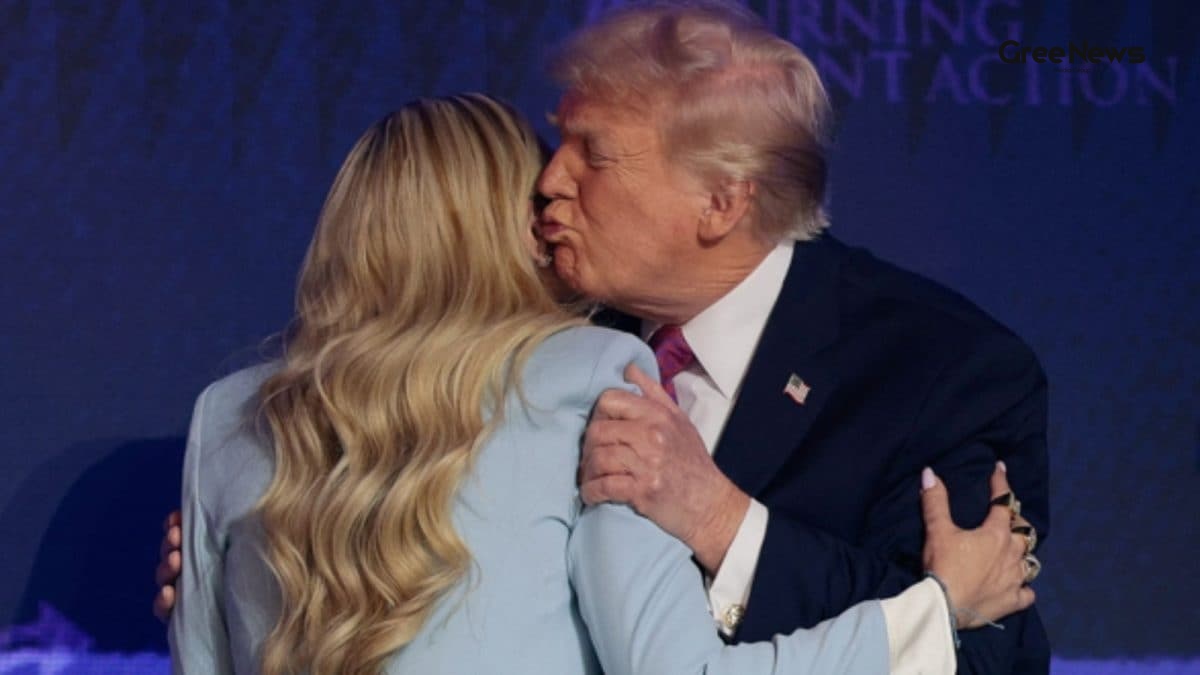
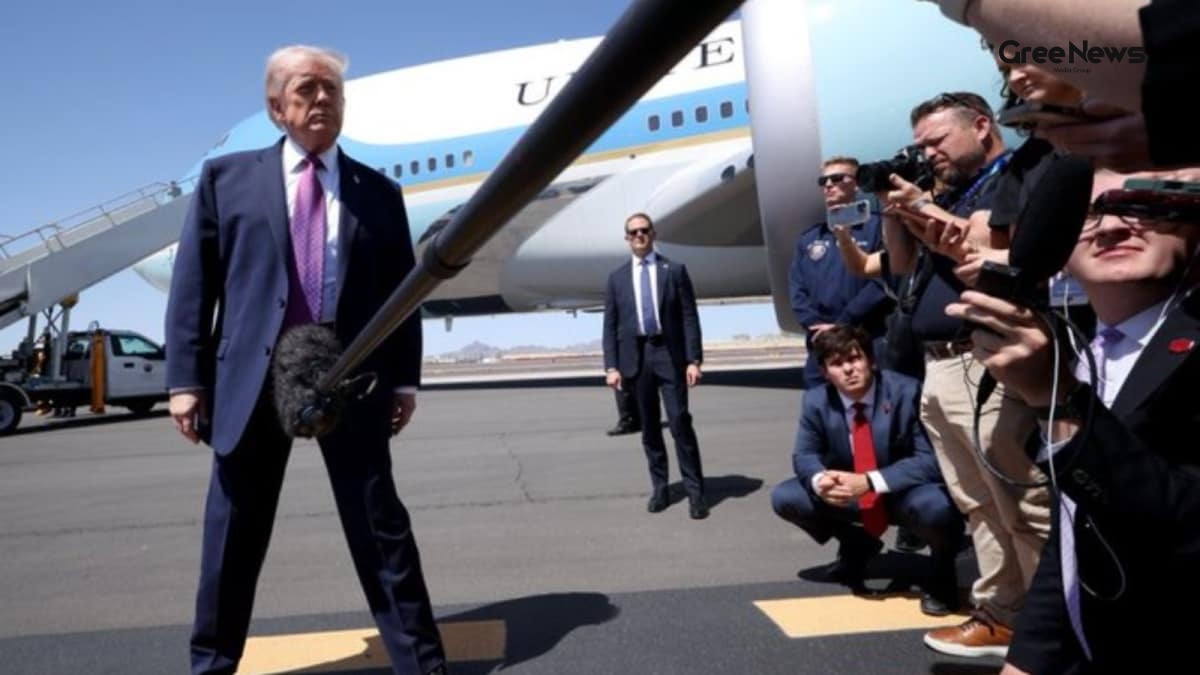
What surprised me was his claim that Donald Trump’s recent diplomatic overtures might actually be a strategic move to mislead public opinion. He suggested it could be a pretext to later justify "increased pressure" on Tehran, by accusing it of negotiating in bad faith. If you think about it, that kind of political theatre is something we see often in Indian politics too promises made during elections, only to be reshaped once the votes are counted.
Now, let’s talk about Pakistan. Top intelligence sources have raised even sharper questions about the validity of the talks themselves. There’s a growing suspicion that the Pakistani military and the Prime Minister’s Office might be "making a fool of the world" by announcing a diplomatic breakthrough that never got the consent of Iran’s real power centre the IRGC.
Here’s where it gets interesting. While civilian diplomats sit at the negotiating table, the IRGC which reports directly to the Supreme Leader’s ideology holds the real guns and missiles. They have no intention of disowning their proxies. This creates what analysts call a "dual‑state" problem: the diplomats in Islamabad think they’re bargaining for a government that the IRGC doesn’t recognise as having the authority to make concessions.
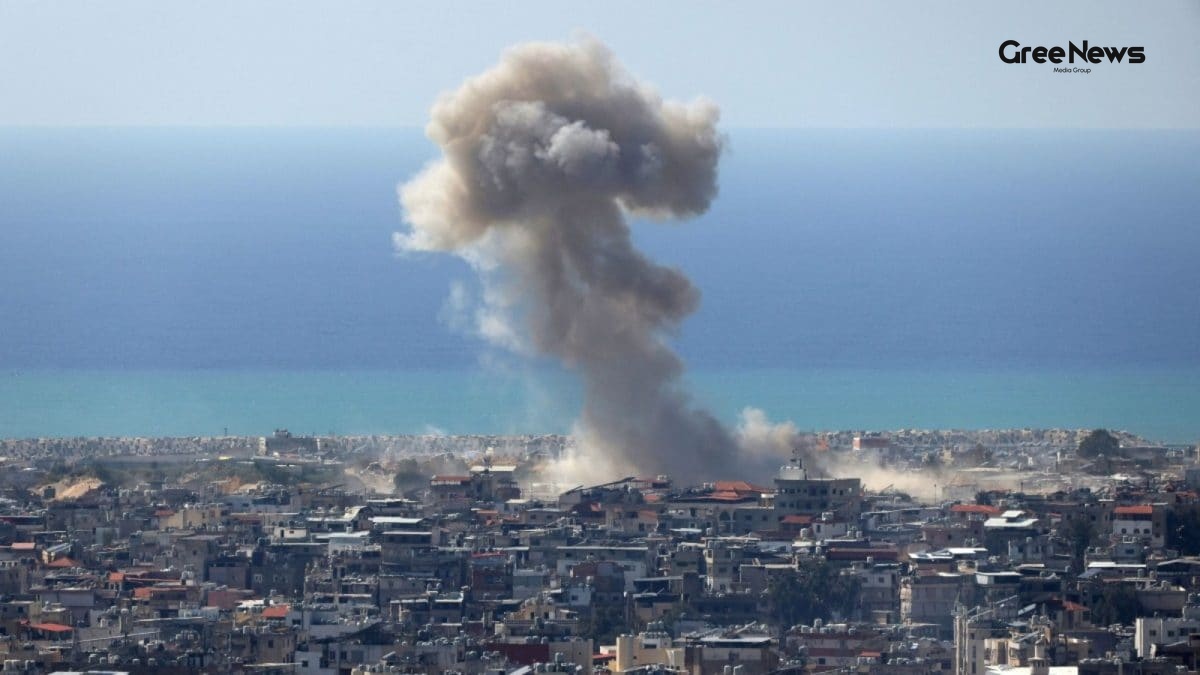
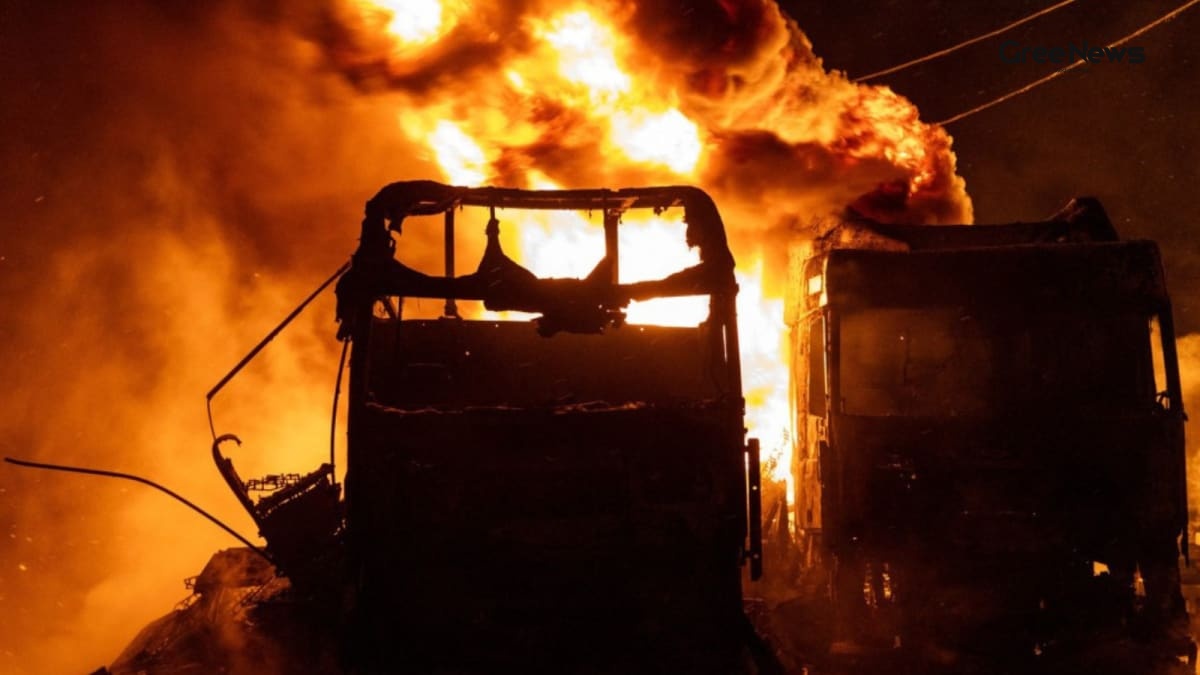
During a recent conversation with a friend who works in the shipping industry, he mentioned the recent firing on Indian tankers in the Strait of Hormuz. That incident felt like a tangible manifestation of the IRGC’s veto power. The Guard is essentially saying, "If you try to soften the line, we’ll shoot back." The tension in that narrow waterway is a stark reminder that diplomatic words can be quickly drowned out by the roar of cannons.
One might wonder why this matters to us here in India. Apart from the obvious safety concerns for our merchant fleet, the whole saga feeds into the viral news cycle that keeps us glued to the television and social media. Every time a headline about "breaking news" or "trending news India" pops up, it pulls our attention away from the daily grind be it a commute on the Mumbai local or a chai break at the office.
Coming back to Tehran’s internal dynamics, the rift has apparently reached a breaking point. Foreign Minister Araghchi has tried to frame the reopening of the Strait of Hormuz and the Islamabad talks as straightforward commercial measures. But the IRGC sees this as a "dangerous deviation" a direct challenge to their hegemony. For them, any softer diplomatic line threatens their existence, and they’re prepared to show that by turning diplomatic delegations into operational units of the Guard.
Let me share a personal anecdote. A couple of weeks ago, I was on a video call with my cousin in Hyderabad who works for an oil logistics firm. He told me how his company had to reroute a shipment because of the heightened tensions in the Strait. He said the captain was nervous, the crew kept checking the news for any update, and everyone was watching the latest news India feeds, hoping for a sign of de‑escalation. That story made the whole geopolitical chessboard feel a lot more real not just some distant event narrated by foreign correspondents.
Another piece of the puzzle is how the United States is positioning itself. While official statements speak of "peaceful resolution" and "mutual respect", the underlying tone from what I could gather from various analysts hints at a strategic pressure game. The US might be using the optics of a possible deal to keep its regional allies, especially Saudi Arabia and Israel, on board, while simultaneously keeping Iran on a leash.
And here’s the part that keeps me awake at night the idea that the Pakistani military might be staging a diplomatic façade. If the Pakistani Prime Minister’s Office announced a breakthrough without Iran’s IRGC consent, the whole narrative could crumble faster than a house of cards. It would leave the world wondering whether the talks were ever real or just a clever diversion.
What’s more, this situation feeds into the broader trend of how the media picks up stories. As soon as a snippet of a statement from Professor Marandi goes viral, you see endless memes, opinion pieces, and tweet threads trying to decode the meaning. It’s the kind of viral news that spreads faster than a trending TikTok dance, and it keeps the public engaged for hours.
In most cases, the public’s understanding of such intricate geopolitics is shaped by the snippets we get the headlines, the soundbites, the short videos. That’s why it’s vital to dig a little deeper, as I’m trying to do here, and piece together the multiple layers the diplomatic language, the military realities, and the regional power plays.
The key takeaway? Even if a breakthrough is announced, the on‑ground reality especially the IRGC’s stance could very well dictate the outcome. Until the Guard decides to back off, any aGreement reached in Islamabad or Washington may remain just paper.
And here’s the kicker: while all this diplomatic drama unfolds, the everyday Indian continues to read the breaking news, watch the trending news India updates, and wonder when the next air raid siren might sound in a distant port city. For many of us, it’s a reminder that global politics isn’t some abstract concept it directly touches our lives, our trade, and our safety.
So, as someone who loves staying updated with the latest news India, I’ll keep watching, keep questioning, and keep sharing my take. After all, understanding these nuances helps us make sense of the bigger picture whether it’s about oil prices, shipping routes, or the next political headline that will go viral in the next few hours.