Ukraine struck two Russian refineries and other key oil sites hours after the US granted Moscow another waiver to sell its sanctioned oil.
When I first saw the news flash on my phone, I thought it was just another routine update, but the timing was so odd that I had to read it twice. Basically, Ukraine decided to hit two major Russian refineries and a handful of other oil installations just a few hours after the United States gave Moscow a fresh licence to sell its sanctioned crude. This kind of back‑and‑forth makes the whole situation look like a high‑stakes chess game, and believe me, a lot of people on social media were instantly sharing the story as breaking news.
The Ukrainian side launched the attacks using a swarm of drones, a tactic they've been perfecting over the past months. In most cases, these drones are relatively cheap but can cause serious damage if they hit the right spot. According to the reports I read, the Russian Ministry of Defence stayed quiet about the specific strikes, but they did say that they intercepted a massive 258 Ukrainian drones overnight. That number alone made my head spin you don’t hear such huge figures every day, right?
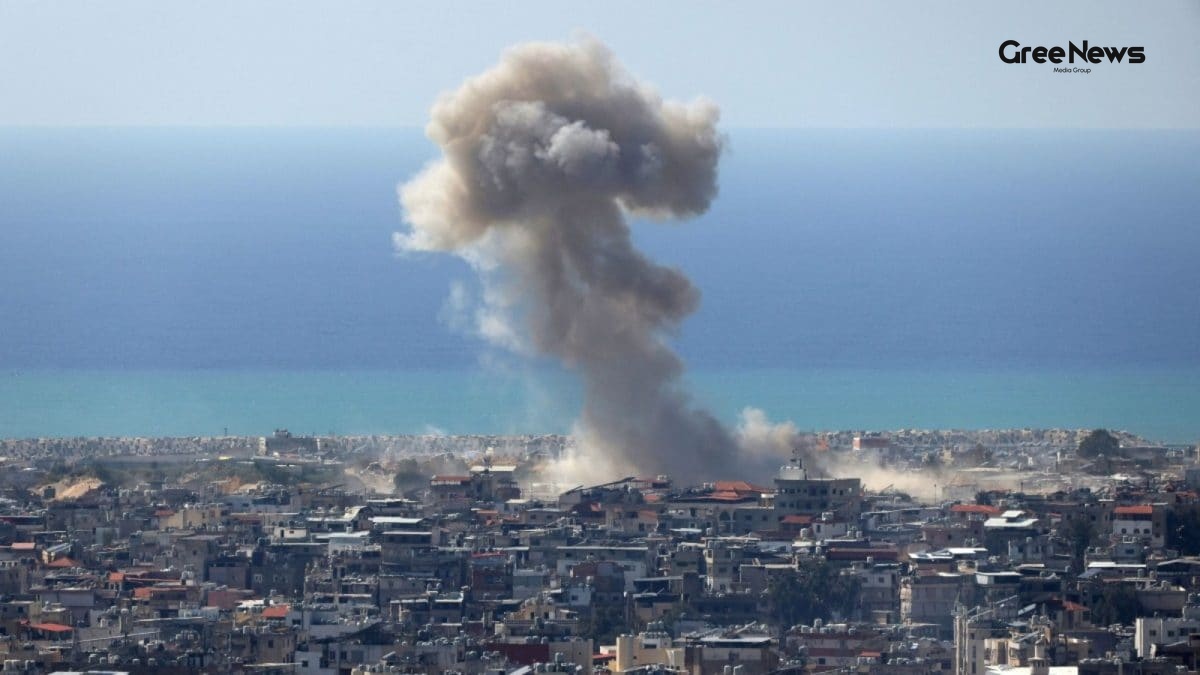
What caught people’s attention was that the Russian regional officials actually stepped forward. Vyacheslav Fedorishchev, the governor of Samara region, told local news that “strikes have been recorded” against what he called “industrial facilities” and that emergency services were already on the ground. The tone of his statement was almost resigned, as if these attacks have become a regular part of life now.
Why the US waiver matters especially for India
Now, here’s where it gets interesting for Indian readers. The United States, after hinting for days that it wouldn't renew any sanctions relief, suddenly issued a fresh general licence that lets countries, including India, keep buying Russian crude that was loaded onto vessels before a certain cut‑off date. In plain language, this means Indian oil majors can still import Russian oil without facing fresh penalties, at least until mid‑May. That’s a big deal because a chunk of India’s crude basket has traditionally come from Russia, especially after the price dip caused by earlier sanctions.
This move was described by the US Treasury as a “general licence” that permits the purchase of Russian crude oil and petroleum products loaded onto ships before the specified deadline. The deadline itself is set for May 16, extending the earlier waiver by nearly a month. For many Indian businesses, this extension provides a breathing space to secure cheaper fuel and keep the supply chains humming.
But here’s the twist just a couple of days earlier, Treasury Secretary Scott Bessent had told reporters at the White House that the United States would not be renewing the general licence on Russian oil, saying “that oil was on the water prior to March 11. So all that has been used.” This sudden reversal left analysts scratching their heads, and it also fed a lot of viral news across platforms, with people sharing screenshots of the contradictory statements.
How the strikes fit into the larger picture
Looking at the bigger picture, Ukraine’s decision to hit these refineries appears to be a strategic move to hit Russia where it hurts its energy infrastructure. Over the past year, we’ve seen a pattern where Ukraine targets pipelines, storage depots, and now refineries, trying to dent Russia’s ability to fund its war machine. In many ways, these attacks are a response to the sanctions dance playing out in Washington.
What happened next is interesting: Russian media quickly downplayed the damage, saying that the facilities were operational and that any loss would be minimal. Yet, locals near the sites reported loud explosions and a thick plume of smoke that could be seen from kilometres away. I remember a friend from that region posting a video on Instagram that went viral within minutes, showing the orange‑tinged sky a clear visual of how intense the situation has become.
Many people were surprised by the speed with which the US rolled out the licence after the strikes. Some analysts think Washington is trying to keep the global oil market stable, preventing a sudden price hike that could affect everything from gasoline pumps in Delhi to diesel for trucks in Mumbai. Others argue that the waiver is more about giving countries like India a chance to diversify their crude sources before the next round of sanctions hits.
Impact on Indian oil markets and everyday life
For an Indian consumer, this whole saga might feel far away, but the ripple effects are surprisingly close to home. When global oil prices wobble, we instantly see the change at the pump. A few weeks ago, gasoline prices in Delhi fell by a couple of rupees per litre after the initial US waiver was announced. If the market senses that more Russian oil will keep flowing, even for a short period, traders tend to lower futures contracts, which eventually trickles down to retail prices.
On the other hand, there’s growing concern among environmental groups in India who point out that relying on Russian crude often heavier and more polluting could hinder the country’s clean energy goals. The debate is heating up on social media, with many users tagging the story as trending news India, asking whether India should accelerate the shift to Greener alternatives instead of riding the wave of cheap Russian oil.
And let’s not forget the political angle. The Indian government has been walking a tightrope, trying to maintain strategic ties with both Washington and Moscow while also safeguarding its own energy security. In most cases, the Ministry of External Affairs releases a brief statement saying that India will comply with all international norms, but the real discussions happen behind the curtains.
What experts are saying
Energy experts across the globe have been quick to weigh in. A senior analyst from a New Delhi think‑tank told me that the waiver is “a temporary band‑aid, not a long‑term solution.” He added that India should use this window to lock in good deals but should also invest heavily in renewable projects to reduce future dependence on geopolitically sensitive oil.
Meanwhile, a Russian energy official, speaking on a Russian news channel, claimed that the attacks would not deter Russia’s oil output and that the country’s refineries are “robust enough to handle minor setbacks.” Whether that’s true or not, the fact that Ukraine chose to strike these specific facilities tells us they see them as critical chokepoints.
Many people were surprised by how quickly the information spread. Within an hour of the initial report, the story was trending on Twitter India, with hashtags like #UkraineStrike and #USWaiver flooding the feed. The rapid spread shows just how hungry the Indian audience is for the latest news India, especially when it intersects with global politics and local fuel prices.
What could happen next?
Looking ahead, the big question is whether the US will let the waiver run its full course or pull it back earlier. If the latter happens, Indian refineries might scramble to find alternative crude sources, potentially pushing up prices again. On the flip side, if the waiver continues beyond May, we could see a longer period of relatively stable fuel costs, but also a prolonged dependence on Russian oil.
Another possible scenario is a further escalation of attacks from Ukraine’s side, targeting more refineries or even pipelines that feed the European market. That would likely trigger a fresh round of diplomatic talks, maybe even involving India as a mediator, given its strategic position.
In most cases, the situation remains fluid, and the only thing we can be sure about is that the story will keep appearing in the feeds of anyone interested in breaking news, trending news India, and viral news on social platforms. Keep an eye out, because the next development could be just around the corner.