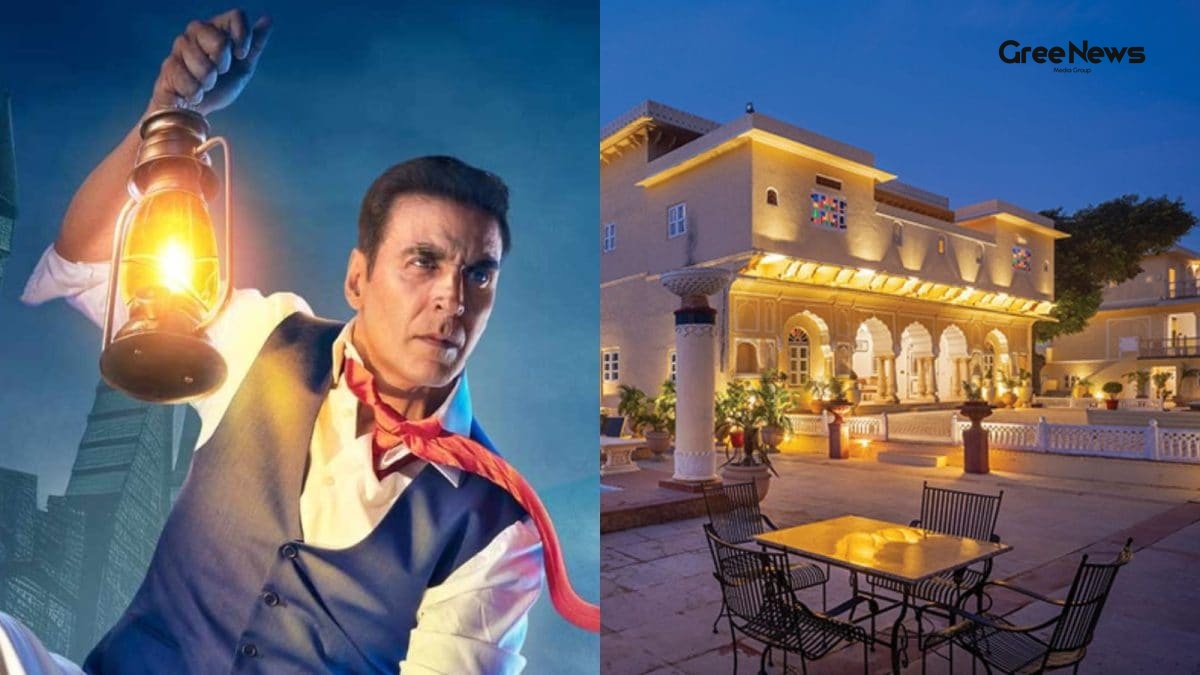
Discover the 16th‑century fort‑turned‑palace that serves as the atmospheric backdrop for Akshay Kumar’s Bhooth Bangla
Okay, let me tell you a little story about a place that’s been hiding in plain sight for almost four hundred years. In the middle of Rajasthan, there’s a massive stone structure that started off as a war‑ready fort and today looks like something straight out of a period drama. This is Chomu Palace or Chomugarh Fort, as the old‑timers call it and it just became the hot topic in the latest news India after Akshay Kumar chose it for his new horror‑comedy ‘Bhooth Bangla’. If you’ve been scrolling through breaking news or trending news India lately, you probably saw a snippet of the film’s spooky corridors, right?
What caught my attention wasn’t just the ghostly vibe of the movie. It was the fact that this place has lived through wars, royal weddings, and now a film crew with all its lights and cameras. The whole thing feels like a living museum where every stone tells a story, and honestly, it made me want to pack my bag and see it for myself.
The History Of Chomu Palace
Let’s rewind a bit. The fort was founded in 1550 by Rao Gopalji, the fourth son of Jaipur’s Raja Prithviraj Singhji I. Back then, the whole region was a patchwork of small kingdoms, and Rao Gopalji needed a strong base to protect his fiefdom a Thikana from rival chieftains. So he ordered a massive limestone wall, about five metres thick, to go around the site. The wall was not just for show; it was meant to stop cannon fire and keep invaders at bay. Imagine the clank of swords and the echo of marching soldiers that must have filled these chambers in those early days.
Fast forward a few centuries and the fort starts to change. By the late 18th century, the constant threat of war had faded, and the royal family decided it was time to turn the gritty fortress into a comfortable residence. They added arches, courtyards, and a touch of Mughal flair you could see Persian motifs on the walls alongside the bold Rajput designs. Some European influences sneaked in too, probably because Indian princes were in touch with the British and other traders. The result? A hybrid style that feels both regal and a little foreign, which makes it perfect for film crews hunting exotic backdrops.
What’s amazing is that unlike many heritage sites that have been turned into generic boutique hotels, Chomu Palace has been restored with care, keeping the original character intact. The marble floors, the antique furniture, even the tiny water channels that were once used to keep the fort cool everything feels authentic. It’s like walking into a time‑capsule that still breathes.
From War‑Zone to Film‑Set: How ‘Bhooth Bangla’ Chose Chomu Palace
Now, you might wonder how a 16th‑century palace ended up in a modern horror‑comedy. Well, the makers of ‘Bhooth Bangla’ were on the lookout for a location that could give the audience goosebumps without relying on CGI. They wanted real, creaky floorboards, genuine shadowy corridors, and that unmistakable royal aura. When their location scout stepped inside Chomu Palace, the whole crew went, “Yeh hi hai!” that’s Hindi for “this is it!”
What happened next is interesting. The director set up the cameras in the grand Darbar Hall, where chandeliers hang low like lanterns in an old ghost story. The crew used the palace’s thick walls to create natural sound dampening you know how horror movies have those deep, echoing whispers? That was the fort doing its part. The actors, including Akshay Kumar, walked through the same passages that once saw royal processions, and apparently, they felt a chill that made the acting even more believable.
People who followed the breaking news about ‘Bhooth Bangla’ were surprised to learn that the spooky scenes weren’t just a set built from scratch. The real stone arches and the ancient staircases added an authenticity that viral news posts couldn’t capture in words. Fans started sharing short clips, turning the palace into a trending news India topic on social media, and then the palace’s official page saw a huge spike in inquiries. So, the film not only gave us a fun horror flick but also revived interest in a piece of Rajasthan’s heritage.
What You’ll See Inside: A Walkthrough of the Palace’s Highlights
If you’re planning a visit, here’s what you can expect. First, the main gate is massive, flanked by towering bastions that still look ready to repel an army. Once you pass through, you’re Greeted by a courtyard filled with jharokhas those ornate balconies that let you peer at the outside world while staying protected. The walls are lined with frescoes that blend Rajput bravery with Mughal elegance, and you can almost feel the centuries of stories they hold.
One of the most talked‑about spots is the Sheesh Mahal, or “Mirror Hall”. It’s not as glittery as the one in Delhi’s Red Fort, but it has a subtle shine that catches the light in a way that feels magical, especially during the golden hour. That’s where a key “ghost” scene from ‘Bhooth Bangla’ was shot you can see the faint reflection of a candle that seems to float on its own.
The palace also houses 100 suites, each decked out with royal antiques hand‑carved wooden beds, brass lamps, and marble washrooms that still echo with the sound of water from a bygone era. The rooms are a mix of luxury and heritage, so you get the feel of staying in a museum without the cold museum vibe.And don’t forget the restaurant, which serves Rajasthani thalis with a modern twist. When you pay for the tour, you get a ₹1000 credit towards a meal, which is a decent deal if you’re hungry after exploring the corridors. The food is flavorful, and the ambiance with traditional music in the background ties the whole experience together.
How to Plan Your Visit: Practical Tips and Costs
Now, let’s get practical. The entry fee for a property visit is ₹1500 plus GST. That amount includes a guided tour that lasts about an hour and a half, and you’ll get the restaurant credit I mentioned. The guides are knowledgeable, often descendants of the original caretakers, and they love sharing anecdotes that you won’t find in any textbook. They’ll point out secret passageways, show you where the royal elephants used to be tied, and maybe even tell you a local ghost story perfect for setting the mood before you watch the movie.
Booking is easy; you can do it online or call the palace office directly. It’s wise to book a slot early in the morning, especially if you’re visiting during the hot summer months the palace stays cooler thanks to its thick walls and high ceilings. Also, wear comfortable shoes because you’ll be walking on uneven stone floors, and a light jacket won’t hurt if you venture into the courtyards after sunset.
One thing to note: the palace is a private heritage property, so it’s not open 24/7 like a public museum. They have set visiting hours, and it’s best to check the latest updates on their website before you go. In most cases, the staff is very helpful and can arrange a private dinner if you’re celebrating something special.
Why Chomu Palace Deserves a Spot on Your Bucket List
At the end of the day, what makes Chomu Palace stand out from the crowd of forts and palaces in Rajasthan? For me, it’s the blend of history, architecture, and contemporary relevance. You get to walk the same lanes that witnessed battles, royal celebrations, and now film shoots that go viral across the internet. It’s like stepping into a living storybook, where every turn could reveal a hidden carving or a lingering whisper of the past.
Besides, the palace’s recent fame due to ‘Bhooth Bangla’ has turned it into a talking point in the India updates you see on your social feeds. If you love sharing unique travel spots with friends, posting a picture of the palace’s grand arch with the caption “Just visited the real ‘Bhooth Bangla’ set!” will definitely get some likes. And who knows, you might inspire someone else to explore this off‑beat destination.
So, whether you’re a film buff, a history nerd, or just someone looking for a cool weekend getaway, Chomu Palace has something for you. The next time you’re scrolling through trending news India or reading about the latest viral travel videos, remember that the fort‑turned‑palace is waiting, with its doors wide open and its stories ready to be heard.