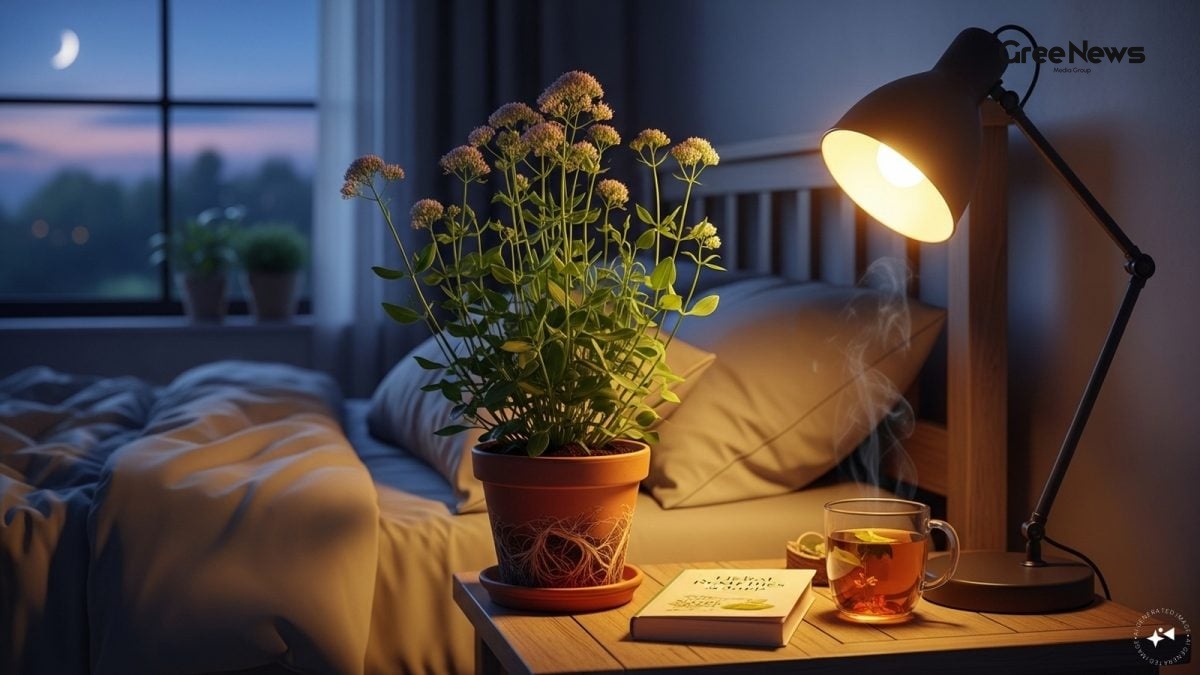
Creating a calm, sleep-friendly bedroom goes beyond lighting and décorindoor plants can subtly enhance relaxation and air quality.
Honestly, I never thought a few pots could change the way I sleep. I was scrolling through the latest news India on my phone one evening, and a breaking news snippet about indoor Greenery caught my eye. It said something about certain plants releasing oxygen at night and lowering stress hormones. That bit of trending news India actually nudged me to try it out.
What happened next is interesting I started researching which plants would suit my tiny balcony‑turned‑bedroom in Pune. And let me tell you, many people were surprised by how simple it was to pick the right ones. Below, I’m sharing the eight plants that have become my go‑to sleep buddies, together with some personal stories and practical tips that any Indian reader can follow.
1. Lavender (Lavandula angustifolia) The Aromatic Calm‑Inducer
First up, lavender. I grew up hearing my grandmother talk about its calming scent, but I never realised it could actually help me drift off faster. The plant thrives in a sunny windowsill which is perfect for most Indian homes that get plenty of morning light.
When I placed a small lavender pot near my nightstand, the gentle fragrance filled the air as I brushed my teeth. Within a few nights, I noticed I was falling asleep a bit quicker. Studies, referenced in a recent viral news piece, mention that lavender oil can reduce heart rate and blood pressure exactly the kind of "relaxation" we need before bedtime.
Care tip: In most cases, water the plant once a week and keep the soil slightly moist. During the scorching summer in Delhi or Hyderabad, move it a little away from direct harsh sunlight, otherwise the leaves can wilt.
2. Snake Plant (Sansevieria trifasciata) The Nighttime Oxygen Machine
Honestly, the snake plant is a lifesaver for anyone who forgets to water their Greens. I read about it in a breaking news article on "plant hacks for better sleep" and decided to give it a try. The best part? It performs Crassulacean Acid Metabolism (CAM), meaning it releases oxygen at night something most plants don’t do.
This caught people’s attention because in India’s hot climate, indoor air can feel heavy. After placing a tall snake plant in the corner of my bedroom, the air felt fresher, and I woke up feeling less stuffy.
Care tip: Water only when the soil is completely dry perhaps once every two to three weeks. It tolerates low light, so if your bedroom is dim, that’s not a problem.
3. Jasmine (Jasminum officinale) Sweet Fragrance of Monsoon Nights
Ever notice how the scent of jasmine wafts through the streets during monsoon? That same scent can turn your bedroom into a tranquil retreat. I got inspired after seeing a trending news India post about jasmine’s role in reducing anxiety.
When I placed a small jasmine vine in a hanging pot, the subtle fragrance lingered through the night. I started associating it with the calm of rainy evenings, and soon my mind stopped racing when I tried to sleep.
Care tip: Jasmine loves humidity, so mist the leaves a couple of times a week, especially in dry winter months in northern India. It needs bright indirect light a spot near a sheer curtain works well.
4. Peace Lily (Spathiphyllum) The Air‑Purifier
Peace lilies are not just pretty; they’re great at filtering out common indoor pollutants like formaldehyde and benzene. In a viral news clip I watched, scientists showed how peace lilies can improve indoor air quality by up to 60%.
In my Mumbai flat, where traffic fumes often seep in, the peace lily made a noticeable difference. I could actually breathe easier at night, and that definitely helped my sleep quality.
Care tip: Keep the soil moist, but not soggy. The plant loves low to medium light, so a spot away from direct sun works best. Remember to wipe the leaves occasionally this removes dust and lets the plant breathe better.
5. Aloe Vera The Healing Companion
Most of us know Aloe Vera for its skin benefits, but it also releases oxygen at night and can improve humidity levels something especially useful in air‑conditioned rooms across Indian cities.
What happened next was I placed a medium‑sized Aloe Vera pot beside my bedside lamp. Over a week, I felt less dry throat in the mornings, and my skin looked less irritated. It’s like a mini humidifier, but natural.
Care tip: Water sparingly once every three weeks is enough. Too much water can cause root rot. It prefers a sunny window, so if your room gets plenty of sunlight, Aloe Vera will thrive.
6. English Ivy (Hedera helix) The Climbing Cleaner
Ivy might look a bit wild, but it’s a champion at removing airborne mold spores something many Indian homes struggle with during monsoon. I read about this in a breaking news article about “natural solutions for damp homes”.
After letting a trailing English Ivy crawl over a wall-mounted shelf, the room felt less musty. It also adds a nice Green backdrop to the bedroom décor.
Care tip: Keep the soil moist and provide indirect bright light. In hot summers, you might need to mist the leaves daily to keep them happy.
7. Gerbera Daisy (Gerbera jamesonii) The Mood‑Lifter
Gerbera daisies are known for their bright colors, but they also emit a pleasant scent that can elevate mood. After a viral news report highlighted their ability to reduce stress hormones, I added a cheerful Gerbera in a ceramic pot.
The burst of orange and pink instantly lifted the ambience of my bedroom, making it feel more inviting. I found myself smiling before even getting into bed a small but powerful shift.
Care tip: They love bright light, so place them near a sunny window. Water regularly, ensuring good drainage to avoid water‑logging.
8. Bamboo Palm (Chamaedorea seifrizii) The Tropical Touch
Last but not least, the bamboo palm. It’s a favorite in many Indian homes for its ability to humidify air and filter out toxins. I saw this plant featured in trending news India as a ‘must‑have for healthy bedrooms’.
After placing a tall bamboo palm in the corner, the room felt cooler and the air seemed less dry perfect for those harsh winter nights when we turn on heaters.
Care tip: Keep the soil evenly moist and give it indirect light. It tolerates low light, but prefers a bright spot. A weekly mist helps maintain humidity.
Practical Tips for Setting Up Your Plant‑Friendly Bedroom
Now that you know the eight stars, here are some extra pointers that helped me make the most of them:
- Placement matters: Keep plants at least a foot away from direct air‑conditioner vents to avoid leaf burn.
- Combine with aroma therapy: Light a scented candle of sandalwood or lemongrass along with your lavender for a multi‑sensory calm.
- Rotate pots: Every few weeks, turn the pots a little so all sides get sunlight especially important for the indoor light conditions in Indian apartments.
- Use a breathable pot: Terracotta pots help regulate soil moisture better, which is handy during the humid monsoon season.
- Watch for pests: In India, spider mites love indoor plants. A gentle spray of neem oil once a month keeps them at bay.
These small habits made the whole experience smoother, and trust me, you’ll notice the difference within a week or two.
Why This Matters The Bigger Picture
It might sound like just another home‑decor tip, but there’s a reason why this topic is becoming viral news across India. Researchers are now linking indoor plant exposure to better sleep cycles, lower cortisol levels, and even improved productivity the next day. Considering the fast‑paced lifestyle many of us lead from early‑morning metros in Kolkata to late‑night study sessions in Chennai having a natural sleep aid at home is a real game‑changer.
And if you’re wondering whether this is just another fad, remember the countless news articles from breaking news segments to trending news India posts that keep highlighting plant‑based solutions for health. So, the next time you scroll through the latest news India, you’ll see more stories on this topic, reinforcing that it isn’t just a passing trend.
In the end, it all boils down to a simple idea: a few Green companions can turn a regular bedroom into a personal sanctuary, helping you recharge for the busy day ahead.
top videos
Swipe Left For Next Video