Modi blames DMK and Congress for stopping the women’s reservation bill
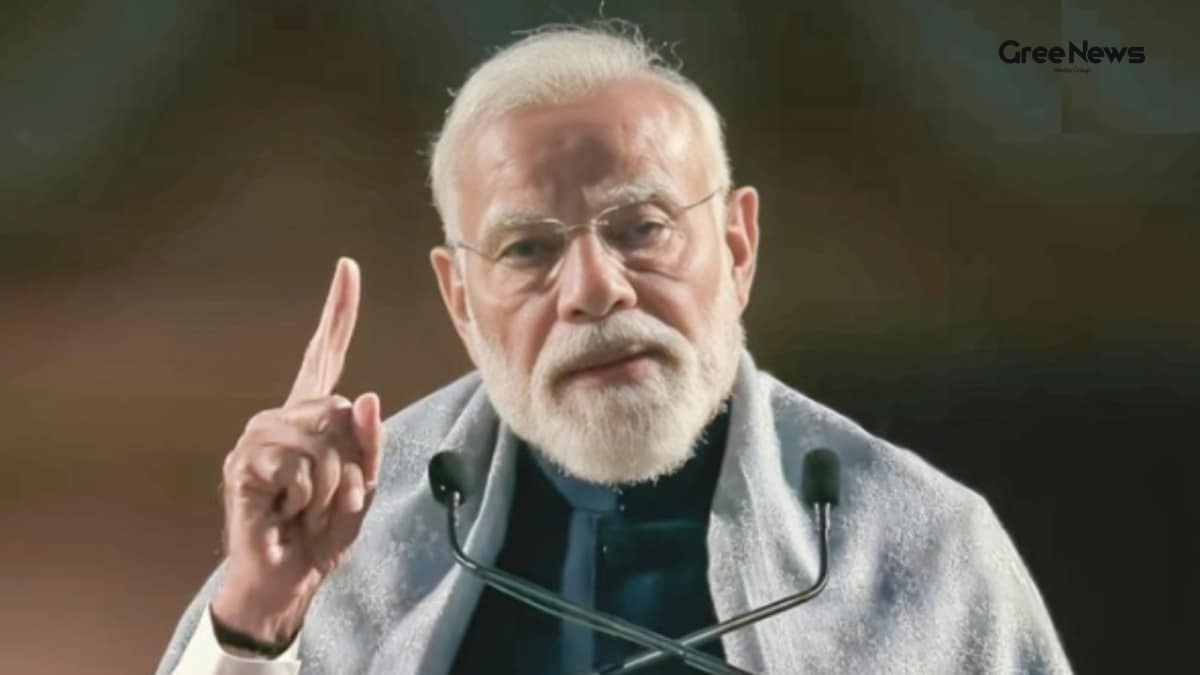
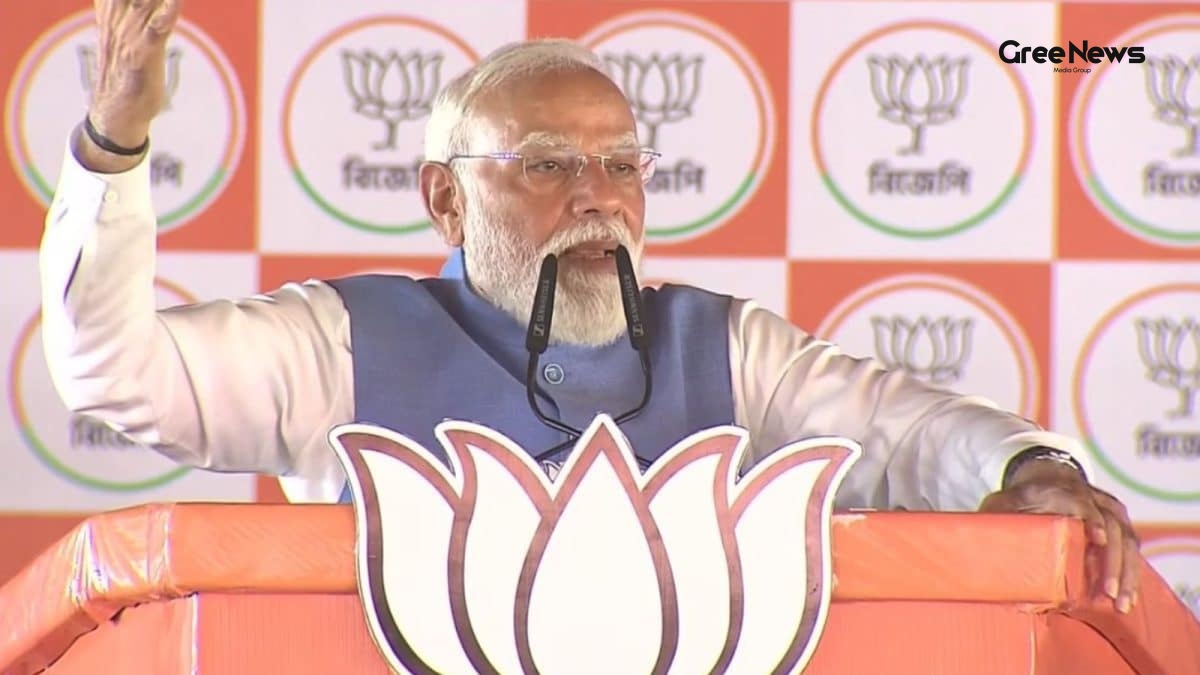
Honestly, when I turned on the TV this morning to catch up on the latest news India, I didn’t expect to hear the Prime Minister so blunt about the opposition parties. He said the DMK and the Congress had turned a "noble effort" into a "target of hatred and petty politics". It felt like a scene straight out of a political drama, but it was real a clear warning ahead of the upcoming polls in Tamil Nadu.
He started by pointing out that the amendment, which aimed to reserve seats for women in Parliament and state assemblies, had been rejected in the Lok Sabha just the day before. The defeat, according to Modi, wasn’t a mere parliamentary hiccup; it was the result of deliberate sabotage by the ruling DMK and its ally, the Congress. The Prime Minister’s tone was sharp, almost personal, as he asked why these parties were so keen to keep ordinary women from rising in politics.
"Why does it trouble DMK, Congress to see ordinary women rise?" he asked, suggesting that the parties were more interested in keeping power confined within their own families. This line struck a chord with many viewers, especially those who felt that political representation in India still leans heavily towards dynastic lines.
What the Prime Minister actually said
In his speech, Modi said he had personally reached out to opposition leaders, asking them to support the women's reservation bill. He even offered them a chance to take credit for its passage. "I only wanted sisters from ordinary families to come to Parliament, assemblies in good numbers," he said, emphasizing his intention to broaden the political field beyond a handful of elite families.
He went on to lament that this "noble effort" had been derailed. According to him, the DMK, Congress and their allies turned the bill into a "target of hatred and petty politics". The phrasing felt almost theatrical, but it underlined a growing frustration within the government about the resistance to gender‑focused reforms.
What caught people's attention next was his reference to the 2011 census data, which suggests Tamil Nadu is set to gain several more Lok Sabha seats. Modi hinted that the DMK was not in favour of this development, implying that more seats could mean more opportunities for women from ordinary backgrounds. He didn’t give exact numbers, but the suggestion was clear: the party was possibly afraid of losing its stronghold.
Why this matters for Tamil Nadu’s women voters
From a personal perspective, I could see why this issue resonates with everyday people across Tamil Nadu. Imagine a small‑town teacher or a shopkeeper’s daughter dreaming of becoming an MP the bill would have opened that door. The Prime Minister’s appeal was directly aimed at women voters: he urged them to question the DMK about its stance and to ask why the party opposed legislation meant to guarantee their representation.
He asked them to consider the phrase "golden opportunity" that he used, framing the bill as a chance for Tamil women to have a stronger voice in the legislative arena. The notion that a simple amendment could alter the political landscape for ordinary families struck a chord with many, especially those who feel political power has been monopolised for generations.
Many people were surprised by the intensity of the appeal. It felt less like a routine political statement and more like a direct challenge before the polls. The Prime Minister basically told women in Tamil Nadu to hold the DMK accountable at the ballot box, urging them to think of the upcoming elections as a chance to punish the parties that, in his view, denied them this "golden opportunity".
How the opposition responded the silent drama
While I was watching the broadcast, I noticed that the DMK and Congress didn’t immediately fire back. Their silence, however, said a lot. In most cases, when a party is criticised in such a public manner, you expect a swift rebuttal. The lack of an immediate response left many voters curious about what would happen next, adding a layer of suspense that is typical of breaking news in Indian politics.
Behind the scenes, political analysts were already dissecting the speech, pointing out that Modi’s remarks could be a strategic move to influence the electorate ahead of the polls. The narrative that the opposition is blocking women’s empowerment taps into a broader sentiment of frustration among many citizens who feel that progress is often stalled by entrenched interests.
This viral news angle has already started trending on social media, with hashtags calling for accountability spreading fast. Even friends I know from Chennai have started debating the issue over chai, questioning whether the DMK really opposed the bill or simply played a cautious political game.
Implications for the upcoming polls a test of promises
What’s fascinating is how this piece of India updates could shape voter behaviour. The Prime Minister’s speech turned the women’s reservation bill from a legislative issue into a litmus test for the ruling parties in Tamil Nadu. If the DMK and Congress truly believe that the bill would weaken their grip, then their stance could alienate a sizable chunk of the electorate, especially women voters who crave more representation.
On the other hand, the ruling party’s narrative could rally its own base, portraying themselves as champions of women’s empowerment. Many political observers note that when a party aligns itself with a socially resonant cause, it can gain a crucial edge in closely contested elections.
In most cases, the real test will be at the polling booths, where voters will decide whether to reward or punish the parties based on how they handled this "golden opportunity". Whether the story will become a long‑term trend in Indian politics or fade away after the next election remains to be seen, but for now, it is certainly a major part of the trending news India landscape.
Personal take why I think this matters
Honestly, watching this unfold reminded me of the many discussions I’ve had with my aunt, who works in a government office in Coimbatore. She has always believed that the political system should be more inclusive, and she felt that the women’s reservation bill could have opened doors for people like her. When Modi highlighted that ordinary women could become MPs and MLAs, it struck a chord with her, and she told me how she hopes the upcoming polls will reflect that desire.
Also, my cousin, a college student in Madurai, posted a series of memes on social media that quickly went viral. They poked fun at the opposition’s reluctance while also calling for greater women’s participation in politics. The memes spread fast, turning this breaking news into something that many young Indians could relate to on a personal level.
What happened next is interesting: the conversation shifted from just the bill to a broader debate about gender equity in Indian politics. People started sharing stories of women leaders from small towns who have already made a difference, using those examples to argue why the reservation bill is essential.